Explore trusted lodges and expert-guided trips offering access to productive waters for bottom fishing.
Southeast Alaska
Chinook (King) Salmon, Coho (Silver) Salmon, Halibut
No results available
Bottom fishing targets species near the seabed using weighted rigs, natural baits, or jigs. It’s ideal for reefs, wrecks, ledges, and deep drop-offs—where predators hold tight to structure.
Bottom fishing offers consistent action in a wide range of settings—from coastal drop-offs to remote offshore plateaus. Whether you’re working live bait, vertical jigs, or cut bait on heavy tackle, it’s a method built around patience, positioning, and understanding bottom features. Many bottom species hit hard and fight deep, making it a rewarding choice for anglers looking for variety and volume.
Colombia’s Pacific coast delivers consistent bottom action for grouper, snapper, and amberjack. Lodges offer access to reef systems, underwater pinnacles, and current-heavy ledges within close range of shore.
Bottom fishing in Gabon combines African reef systems with rugged nearshore structure. Species like cubera snapper and jacks strike hard in current zones, often on live or cut bait.
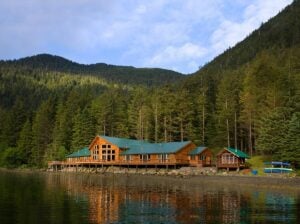
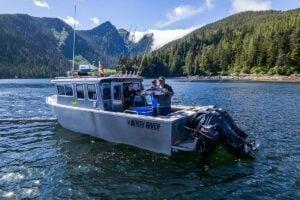
Alaska’s deep coastal waters are ideal for bottom fishing halibut, lingcod, and large rockfish. Most lodge trips use heavy gear and circle hooks over gravel flats, ledges, and kelp beds.
Known for its nutrient-rich inlets and fjords, BC offers productive bottom fishing for lingcod and Pacific halibut. Lodge-based trips often include anchoring on humps, reefs, or channels.
FishingExplora highlights bottom fishing destinations where experienced guides and lodge-based setups give anglers access to quality water. Whether you’re dropping for halibut off the Alaskan coast or bouncing jigs over tropical reefs, these trips are built around proven bottom fisheries with reliable species, structure, and gear support.
Most anglers use a heavy-action rod with a strong conventional reel and 50–80 lb braid. Circle hooks and sliding sinker rigs are standard. For depths beyond 300 ft, electric reels or high-speed setups can be useful.
Halibut, snapper, grouper, lingcod, and amberjack are among the most frequent targets. Species vary by region and depth, but most are structure-oriented and hit baits or jigs hard.
Depths vary based on target species and region—from 30 feet nearshore to 600+ feet offshore. Halibut and deep reef species often require fishing at 200+ feet with heavy gear and bait rigs.
Jigging uses active lure movement to trigger strikes, while bottom fishing often relies on natural bait presented near structure. Some trips combine both—especially when targeting aggressive species like grouper or snapper.
Occasionally, in steep drop-off zones or rocky headlands. However, bottom fishing is far more effective from boats due to better access to deeper reefs, wrecks, and underwater ledges.
We use cookies to improve your experience and enable key features on the platform. You can choose which cookies to allow. Some features may not work fully without consent.