Explore fishing trips across the Northeastern Region, staying at carefully selected lodges that combine expert guiding, remote wilderness settings, and exceptional angling.

Northeastern Region, Iceland
Arctic Char, Atlantic Salmon
No results available
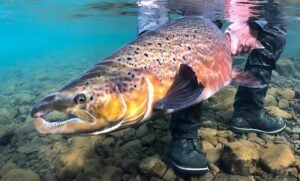
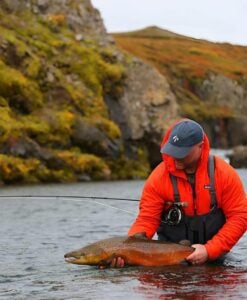
Iceland’s Northeastern Region offers serious fly anglers access to low-pressure rivers, wild brown trout, sea-run arctic char, and crystal-clear spring creeks. With volcanic landscapes, glacial headwaters, and long daylight hours in summer, this is one of the most unique and rewarding fishing regions in the North Atlantic.
Anglers here are drawn to walk-and-wade rivers with sight-fishing opportunities, consistent hatches, and the chance to fish dry flies all summer. The region’s fisheries are tightly regulated, often fly-only, and managed with strict conservation in mind. That translates to unpressured beats, pristine water, and strong wild populations.
This is not a numbers game—it’s a technical, experience-rich fishery that rewards careful approach, accurate casting, and a patient eye. Most trips here are arranged through licensed lodges and outfitters, ensuring sustainable access and high-quality guiding.
Renowned for clear flows and surface takes, the Laxá in Aðaldalur is one of Iceland’s most famous trout rivers. Ideal for technical dry fly anglers.
A smaller northeast system offering privacy, variety, and the chance at sea-run char and native trout. Often paired with nearby spring creeks.
This small, intimate stream is known for its clarity, walkable banks, and steady dry fly action. Controlled access ensures low pressure.
Big, cold, and remote—this river brings sea-run arctic char upstream late in the season. Not for the faint of heart but worth the effort.
FishingExplora connects you with licensed lodges and experienced guides across Iceland’s northeast. We focus on operations with beat-controlled access, strong conservation ethics, and deep knowledge of their home waters. Whether you’re casting to brown trout on the Laxá or swinging for late-season sea-run char, these are wild rivers that reward precision and patience.
For more lodge-based fishing across the country, explore all our fishing lodges in Iceland.
Most rivers in the region are beat-controlled and accessed through lodges or outfitters. While some areas allow DIY fishing, the best waters typically require a guide and reservation.
A 4–6 wt rod is ideal for most of the region’s trout and char rivers, especially on spring creeks and sight-fishing waters. For bigger rivers like Jökulsá á Brú or targeting sea-run char, a 7–8 wt may be appropriate. Dry flies, small nymphs, and streamers all see action depending on the system and time of year.
Lodges vary from roadside access to highland huts requiring 4×4 transfer. Many are located near small villages or tucked into remote valleys for solitude.
Yes. Many rivers hold both brown trout and arctic char, and some have sea-run fish during shoulder months. Multi-species fishing is common.
July and August are the prime dry fly months, with consistent hatches and cooperative fish under long daylight hours.
We use cookies to improve your experience and enable key features on the platform. You can choose which cookies to allow. Some features may not work fully without consent.