Discover the best giant african threadfin fishing destinations, guided trips, and lodge-based experiences worldwide. Explore remote waters and world-class angling with expert local hosts.

No results available
Giant African threadfin are powerful surf predators found along West Africa’s tropical Atlantic coast. Fished from beaches, river mouths, and estuaries, they demand accurate presentations, strong tackle, and a sharp sense of timing to hook and land in wild, high-energy environments.
Giant African threadfin (Polydactylus quadrifilis) are one of the most striking inshore fish species on the African continent. Known for their trailing pectoral filaments and oversized frame, they’re most commonly found in brackish estuaries and surf zones where rivers meet the sea. Threadfin often move in small groups, feeding on mullet, shrimp, and small baitfish near the bottom—making live bait and soft plastics the most reliable tactics.
They can exceed 30 lbs, with long, deep runs and the ability to throw hooks mid-fight. Their preferred habitats—murky river mouths, wave-washed beaches, and tidal inlets—make them a natural target for anglers who enjoy technical, high-reward surf fishing. Most successful threadfin trips happen through experienced local guides or beach-based lodges that offer access to prime tides and feeding windows.
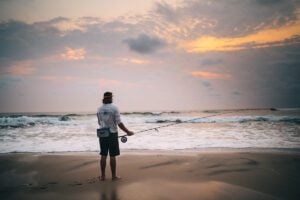
Gabon is considered the top destination for targeting giant African threadfin, especially around river mouths and long, open beaches. Fishing is typically done on foot or from small boats, with most action concentrated near estuaries where threadfin feed aggressively on baitfish pushed by the tide.
The Niger Delta and surrounding estuarine systems hold strong populations of threadfin, though pressure and access vary. Anglers target them from surf beaches and tidal flats using live mullet and soft bait.
These West African countries have long sandy coastlines and estuaries ideal for threadfin, especially during tidal swings. While less known internationally, they hold strong potential for adventurous anglers.
The northern coast of Angola holds threadfin along sandbars and coastal breaks, with most fishing done near estuary outflows or from remote beaches using heavy spinning setups.
What sets this species apart is the combination of visual uniqueness and raw power. Those long trailing filaments are used for detecting prey, giving the threadfin an edge in murky water. Anglers value them for their unpredictable runs and ability to shake hooks in the surf. Unlike more common surf species, they require a careful approach—presentation matters, and their bite is often subtle. This makes them a rewarding challenge, especially for experienced anglers who enjoy technical saltwater fishing in wild, untamed environments.
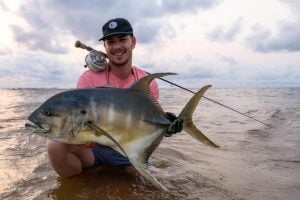
Giant African threadfin are long-bodied and muscular, with golden or silvery flanks, a dusky back, and prominent trailing pectoral filaments that can reach past the gills. These filaments are sensory organs used to detect prey along the seafloor. Their eyes are large and golden-bronze, well-adapted to low-visibility estuarine conditions. Threadfin also feature a long, deeply forked tail and a strong dorsal ridge, built for power and sudden acceleration in current-rich environments.
FishingExplora connects anglers with guided trips to one of the best giant African threadfin destinations on Earth—Gabon. With surf and estuary access just steps from select camps and lodges, these trips offer the rare chance to target powerful, unpredictable fish in wild, low-pressure waters. Whether you’re casting lures at dusk or working live bait through tidal current, these are experiences built for anglers who enjoy technical fishing in remote, high-reward locations.
Giant African threadfin can grow over 30 lbs, though most catches range from 10 to 25 lbs. Larger individuals are typically landed in areas with strong surf or current, especially near estuaries and deep sandbars during prime tidal movement.
Yes—giant African threadfin respond well to soft plastics like paddle tails and shrimp patterns, especially in murky tidal water. Slow, steady retrieves near the bottom often produce strikes, particularly during moving water and low-light conditions.
Threadfin are most active during strong tidal movement, especially the last two hours of rising or falling tide. Peak activity often aligns with new or full moon phases when bait is pushed into estuaries and surf zones.
Threadfin have mild, white flesh and are considered good table fare. However, many anglers release larger specimens due to their rarity, slow growth, and importance as a top inshore sportfish in West African ecosystems.
Gabon is the top destination for giant African threadfin, offering remote beaches and tidal rivers with minimal pressure. Anglers fish near estuary mouths and surf zones, often on foot or with small boats near key current lines.
We use cookies to improve your experience and enable key features on the platform. You can choose which cookies to allow. Some features may not work fully without consent.