Discover the best jack crevalle fishing destinations, guided trips, and lodge-based experiences worldwide. Explore remote waters and world-class angling with expert local hosts.

Abaco, The Bahamas
Barracuda, Bonefish, Grouper
Gabon, Central Africa
Cubera Snapper, Giant African Threadfin, Jack Crevalle
Yucatan Peninsula, Mexico
Barracuda, Bonefish, Grouper
No results available
Jack crevalle are fast, aggressive, and brutally strong—especially when targeted on fly or light tackle. Found in tropical and subtropical coastal waters, they offer some of the most visual and explosive inshore fishing experiences in the Atlantic.
Jack crevalle are often underestimated, but those who’ve fought a 20+ pounder know they’re no second-tier gamefish. Often called “bulldogs of the sea”, these fish will test even the most experienced anglers with their relentless power and never-give-up attitude. These predators crush flies and lures with violent precision, often in shallow water or near bait schools.
Common across the western Atlantic, jacks thrive in a mix of habitats—lagoons, estuaries, surf zones, and offshore bait balls. While they’re not picky eaters, stalking them on fly or spin gear in skinny water is what makes them so rewarding. Many premier saltwater lodges in the Americas and West Africa offer reliable shots at big jacks, often as part of a mixed-species day.
Jack crevalle thrive across Florida’s estuaries, surf zones, and passes. The Gulf Coast offers reliable fishing nearly year-round, especially during spring and fall bait migrations when larger fish push into shallows and along beaches.
Throughout the Caribbean and countries like Belize, Honduras, and Nicaragua, jack crevalle are common in reef systems and mangrove lagoons. Though often a “bonus” species, they offer hard hits and surface action around tidal inlets and bait-rich drop-offs.
In Mexico’s Yucatán, jack crevalle cruise flats, beaches, and deeper channels. Fly fishing lodges in Ascension Bay and Espiritu Santo often encounter them in mixed-species days, especially when bait is present near the surf line.
While bonefish dominate the Bahamas’ fly fishing scene, jacks show up seasonally in channels and reef edges. During bait runs, they can be aggressive and unpredictable, often found in more remote zones with lower pressure.
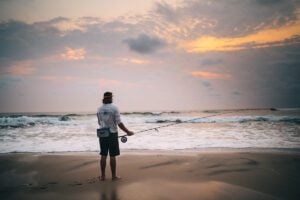
Gabon leads the pack for big jack crevalle, with massive fish hunting in the surf. Anglers cast topwater flies or plugs into crashing waves, where jacks compete with cubera snapper and threadfin. Similar fisheries exist in Senegal and Côte d’Ivoire.
Brazil’s Atlantic coast and river mouths hold strong populations of jack crevalle. Though not always the target, they’re a consistent presence near bait-rich shorelines, estuaries, and reefs, particularly in the northeast.
North Carolina, South Carolina, and Georgia all see seasonal runs of jacks, especially in late spring and early fall. They smash topwater baits in shallow bays and surf zones when schools move through looking for mullet and menhaden.
Jack crevalle combine raw power with aggressive, visual eats. They hunt in packs, crush surface flies, and will fight brutally to the boat. Their versatility—from flats to surf—makes them an ideal “bonus” species, often stealing the show even when you’re chasing something else. Unlike many other species, they don’t tire easily, making them one of the toughest fish to land on light tackle or fly gear.
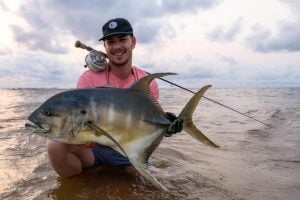
Jack crevalle have a deep, muscular body built for power, with a steep forehead and blunt snout. Their coloration ranges from silvery-gold to olive-green along the back, fading to pale sides and a white belly. They have a distinctive dark spot at the base of the pectoral fin and another on the gill cover.
The dorsal fin is split into two sections: a short, spiny front followed by a longer soft-rayed rear. The deeply forked tail is stiff and yellowish, built for high-speed bursts. Their large eyes and thick, rubbery lips—along with their aggressive mouth structure—give them a rugged, predatory appearance.
Jack crevalle respond best to warm water and active bait. Early mornings, incoming tides, and areas with strong current often produce the most aggressive surface takes.
FishingExplora connects you with trusted lodges that offer real opportunities for jack crevalle—whether as a primary target or part of a mixed-species saltwater trip. Browse options in Mexico, the Bahamas, or West Africa and plan a trip with expert guides who know how to put you on aggressive, hard-charging jacks.
Yes—jack crevalle are among the best fly rod species for aggressive surface eats and blistering runs. They hit poppers and baitfish flies hard, often in shallow water, making them perfect for visual, fast-paced fly fishing.
Jack crevalle can be caught year-round in tropical and subtropical zones, but peak action usually occurs in spring and early fall when bait is abundant and water temps are optimal.
Gabon’s surf zone, the Yucatán’s lagoon systems, and Florida’s Gulf Coast all hold large jack crevalle. These areas combine bait-rich waters with consistent inshore movement and seasonal peaks.
Jack crevalle commonly reach 15–25 pounds, with some exceeding 30 pounds in places like Gabon and Florida. Their broad shoulders and relentless fight make them feel even bigger than they are.
They use both. Juveniles often patrol estuaries and lagoon flats, while larger fish move between inshore structure, open water bait schools, and reef edges depending on tides and season.
We use cookies to improve your experience and enable key features on the platform. You can choose which cookies to allow. Some features may not work fully without consent.