Discover the best matrinxã fishing destinations, guided trips, and lodge-based experiences worldwide. Explore remote waters and world-class angling with expert local hosts.
Amazon Basin, Brazil
Matrinxã, Pacú, Peacock Bass
No results available
Matrinxã are fast, aggressive jungle fish often described as the “tropical trout” of the Amazon. Known for explosive takes on dry flies, streamers, and small poppers, they thrive in clear rivers and lagoons, offering visual eats and powerful fights for fly anglers seeking variety beyond peacock bass and dorado.
Matrinxã (Brycon spp.) are omnivorous predators, feeding on insects, fruits, baitfish, and crustaceans. Their willingness to crush surface flies and chase streamers makes them one of the most versatile and exciting targets in South America’s freshwater systems. While not as large as peacock bass, they deliver nonstop action, acrobatics, and technical sight-fishing opportunities.
For anglers exploring the Amazon Basin, matrinxã are a highlight species—often found in the same waters as peacock bass, dorado, and payara. They demand accuracy and quick presentations but reward persistence with some of the most entertaining fishing in the jungle.
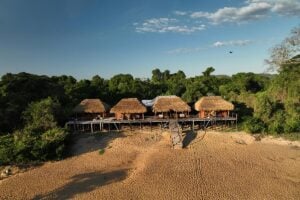
Brazil is the stronghold of matrinxã fishing. Rivers like the Iriri, Xingu, and Tapajós hold excellent populations, with fish often feeding aggressively on drifting insects and fruit. Jungle lodges and Indigenous-run programs give anglers access to pristine waters.
In Bolivia, matrinxã share waters with golden dorado in clear tributaries of the Mamoré and Beni systems. They’re often targeted with dry flies and small streamers, adding variety to dorado-focused trips.
Eastern Colombia’s Orinoco and Amazon basin rivers support strong matrinxã populations. Anglers find them in side channels and lagoons where they rise readily to surface flies.
The Peruvian Amazon offers mixed-species fishing where matrinxã are common. They’re often caught alongside peacock bass, arowana, and pacu in oxbows and jungle lakes.
Matrinxã stand out for their eagerness to hit flies on the surface, whether it’s a small hopper, fruit imitation, or noisy popper. They’re strong for their size, frequently leaping and tearing across currents. For traveling fly anglers, they provide consistent action and variety in between shots at larger jungle species.
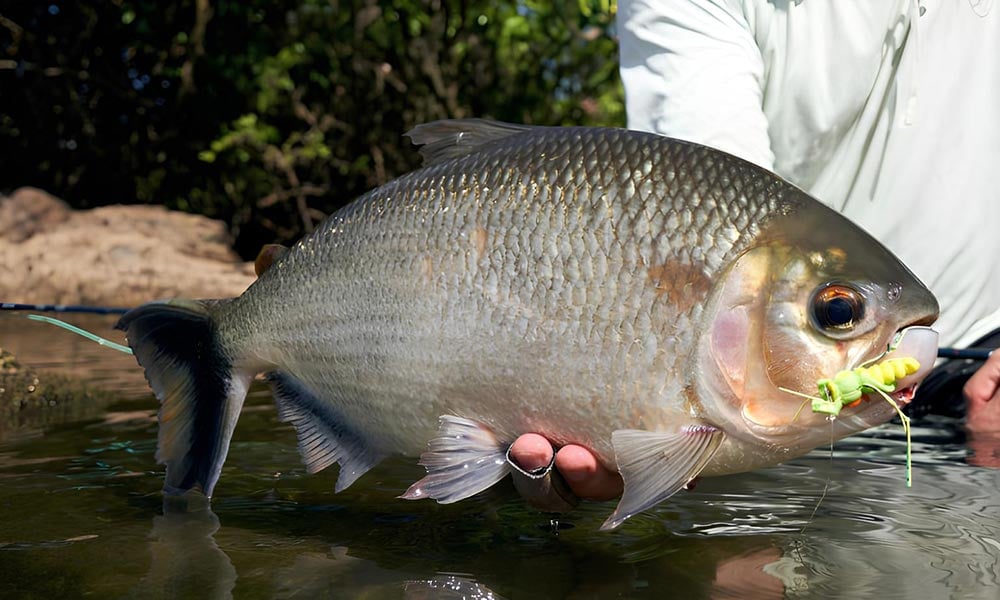
Matrinxã have deep, muscular bodies with silvery flanks, darker backs, and vivid orange to red fins. Their forked tails and strong jaws reflect their speed and predatory feeding. They share the robust look of other Amazon characins, sitting somewhere between a small dorado and a pacu in appearance, with a clean, streamlined profile built for fast runs and sudden bursts of power.
FishingExplora connects anglers with lodges across the Amazon Basin where matrinxã are part of the program. Whether you’re on Brazil’s Iriri, in Bolivia’s dorado country, or fishing Peru’s backwaters, expert guides help unlock the species’ surface-feeding behavior. Explore our curated selection of jungle fishing lodges targeting matrinxã.
Matrinxã readily eat a range of flies, from small streamers and bright attractor dries to fruit imitations and poppers. Local guides often recommend foam terrestrials or berry-style patterns under overhanging trees, while streamers stripped across current seams can trigger fast strikes. Matching seasonal food sources improves success and action.
A 5–7 wt fly rod covers most matrinxã fishing. In smaller jungle creeks a 6 wt offers fun, precise casts, while in larger Amazon rivers an 7-8 wt handles heavier flies and stronger currents. Floating lines with durable leaders (16 to 20-pound leader up to 9 feet long ideal) allow anglers to switch between surface dries, poppers, and streamers with ease.
Matrinxã typically weigh 2–6 lbs, though in remote Amazon tributaries they can exceed 10 lbs. What they lack in size, they make up for in speed and acrobatics. Hooked fish often leap repeatedly and tear across currents, providing a level of fight that surprises even experienced jungle anglers used to larger species.
Brazil is the prime destination, with the Iriri, Xingu, and Tapajós rivers holding strong matrinxã populations. Bolivia also offers excellent sight-fishing in clear dorado streams, while Colombia and Peru provide mixed-species jungle trips. These fisheries combine challenging casts, diverse waters, and expert guides who know how to unlock surface-feeding behavior.
Fly anglers value matrinxã for their aggressive surface takes, strong fights, and variety. Unlike some jungle species, they readily eat dry flies, fruit imitations, and streamers, making them a technical but highly visual target. Their abundance provides steady action, while their explosive behavior adds excitement to any Amazon lodge-based fishing trip.
We use cookies to improve your experience and enable key features on the platform. You can choose which cookies to allow. Some features may not work fully without consent.