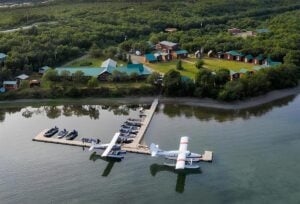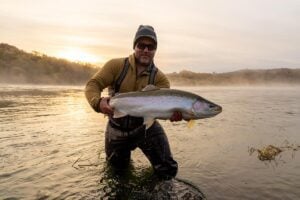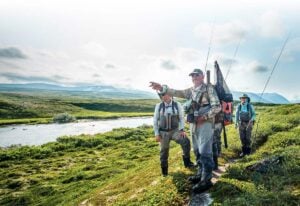
Discover top destinations for float tube fishing. Plan a lodge-based trip with expert local guides and access to productive waters.
Bristol Bay, Alaska
Arctic Char, Chinook (King) Salmon, Chum (Keta) Salmon
No results available
Float tubes offer a stealthy and mobile way to access lakes, backwaters, and stillwater fisheries. Ideal for fly anglers, this low-profile approach puts you right in the zone without needing a boat launch or motor.
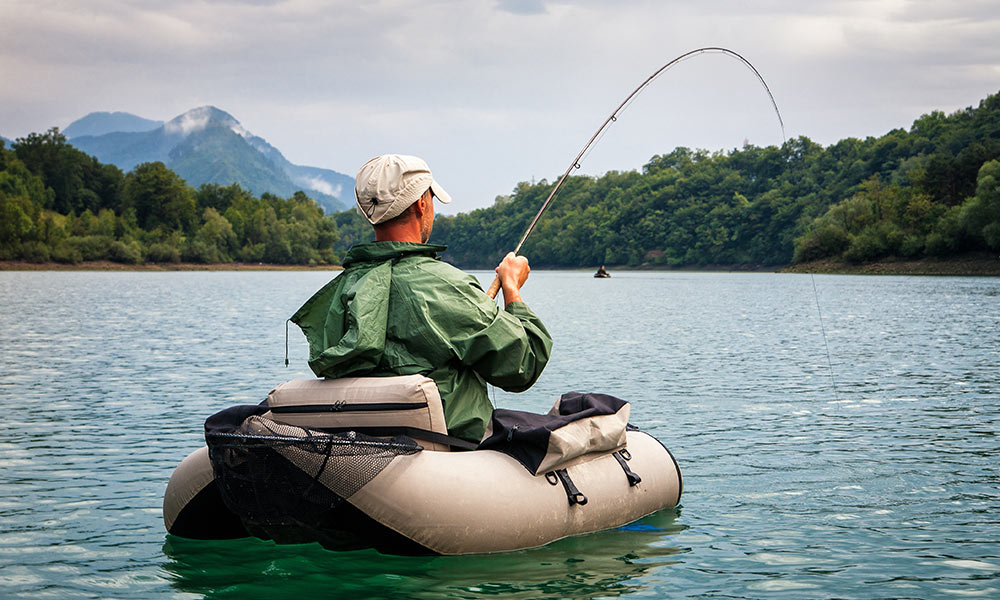
Float tube fishing is a minimalist way to reach productive stillwaters. Using a U- or donut-shaped inflatable tube fitted with a seat and waders, anglers kick their way across small lakes and ponds, often accessing water that’s otherwise unreachable from shore. While simple in design, float tubes are highly effective in the right settings—particularly for stalking trout, bass, or even char in remote, low-pressure environments.
Originally popularized by stillwater fly anglers, float tubes are now used in both temperate and alpine regions where portability matters more than speed. They’re especially useful for fishing shallow drop-offs, weedlines, or back bays where larger boats would spook fish or struggle to maneuver.
Float tube fishing can vary depending on the location, the type of fish you’re targeting, and the environment. Each scenario offers unique challenges and rewards for those who know how to take full advantage of it.
While often associated with DIY adventures, float tube fishing can also be part of a curated lodge experience—especially in remote regions where boats aren’t practical or necessary. These setups give you the advantage of expert local guidance, gear support, and access to highly productive water that sees little pressure.
If you’re looking for a quiet, tactical way to fish scenic stillwaters, float tubes are a proven tool—and select lodges offer just the right setup to make it work.
Float tube fishing uses a lightweight inflatable seat that lets you float on lakes or slow-moving water while fishing. You sit in the tube wearing waders and use fins on your feet to move around. It’s a quiet and simple way to access hard-to-reach spots.
Float tubes are best for small lakes, ponds, and calm bays. They work well in areas without boat ramps or where motors aren’t allowed. Some lodges offer float tube access to remote or quiet waters with little fishing pressure.
Yes, float tube fishing is generally safe when used in calm water. Always wear a life jacket and dress for the water temperature. Most float tubes are very stable, and guides at lodges can help ensure safety on the water.
Yes, float tube fishing can have a few minor challenges. Casting while seated takes adjustment, and landing fish or using a net can be tricky without stable footing. Wind can also make positioning harder. Still, most anglers adapt quickly and enjoy the close-to-the-water feel.
We use cookies to improve your experience and enable key features on the platform. You can choose which cookies to allow. Some features may not work fully without consent.