Discover top offshore fishing destinations worldwide, with experienced local guides and lodges offering direct access to prime waters.
Abaco, The Bahamas
Barracuda, Bonefish, Grouper
No results available
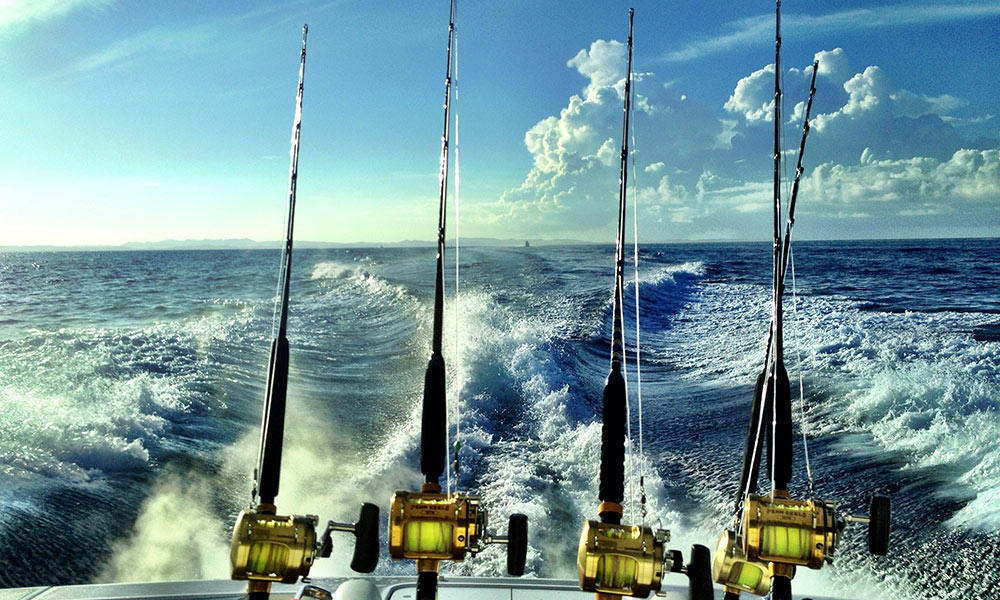
Deep water, big fish, and long runs—offshore fishing is where power and unpredictability meet. Whether trolling canyon edges, drifting over underwater seamounts, or chasing birds offshore, it’s high-effort, high-reward fishing in blue water.
Offshore fishing targets pelagic species that roam the open ocean. These fish—tuna, marlin, mahi-mahi, and more—travel along currents, thermoclines, and bait lines far from land. You’re often fishing in deep water, sometimes over 1,000 feet, using a mix of trolling, live bait, and vertical techniques.
The draw is the sheer size, speed, and power of the fish. But there’s also strategy: finding the right temperature break, following the birds, reading the sea. Offshore fishing demands commitment, but for serious anglers, it offers some of the most thrilling action anywhere—especially when paired with the targeted tactics found in bluewater fishing.
Yellowfin roam warm offshore waters in large schools. They’re known for their speed and explosive runs, often targeted near current edges, temperature breaks, and floating debris.
Bigeye tuna often hold deeper than yellowfin and are typically caught around seamounts and thermoclines. They’re a nighttime and jigging favorite, known for hard fights and endurance.
Often found under weed lines and floating debris, mahi-mahi (dorado) are acrobatic and aggressive. They make for fast-paced action with light tackle or fly.
Wahoo slash through bait balls with razor teeth and incredible bursts of speed. They’re often targeted by high-speed trolling or deep-diving plugs near drop-offs.
Offshore fishing in the Bahamas starts just minutes from shore. Deep drop-offs and currents bring mahi-mahi, tuna, and billfish close—ideal for day trips or multi-species runs.
Colombia’s Pacific coast delivers serious offshore action—yellowfin tuna, wahoo, mahi-mahi, and more. Short runs from lodge-access points lead to rich pelagic waters.
Other standout destinations for offshore fishing trips include East Coast USA,
Panama, Costa Rica, Japan, Canary Islands & Azores, Kenya, Hawaii, and Australia. These regions offer big game opportunities for tuna, marlin, wahoo, and more.
Offshore fishing is demanding—but the right lodge, guide, and equipment can make it seamless. FishingExplora connects you to trusted lodge-based operations offering guided offshore trips with access to productive waters and professional crews. Whether you’re chasing bluewater speedsters or going deep for tuna, we’ll get you on the right trip.
Most offshore trips start 10–50 miles from shore, but some regions like the Bahamas or Seychelles offer access within minutes. It depends on underwater drop-offs, currents, and fish movement.
Offshore fishing peaks during specific migratory seasons—typically tied to bait movement, water temperature, and currents. Summer and early fall are prime in most tropical and subtropical regions.
While most offshore fishing calls for heavy tackle, there are times when downsizing pays off—such as when targeting mahi-mahi near weed lines, or casting to surface-feeding tuna. Matching gear to species behavior, sea conditions, and presentation method can improve success and make the fight more rewarding.
We use cookies to improve your experience and enable key features on the platform. You can choose which cookies to allow. Some features may not work fully without consent.