Discover the best giant trevally (gt) fishing destinations, guided trips, and lodge-based experiences worldwide. Explore remote waters and world-class angling with expert local hosts.
No results available
Giant trevally are among the most aggressive and explosive saltwater species targeted on fly or conventional gear. Found across the Indian and Pacific Oceans, they are best pursued around reefs, surf zones, and atolls—where their crushing topwater strikes and brute strength challenge even the most experienced anglers.
Known simply as “GTs,” giant trevally (Caranx ignobilis) are apex reef predators, often hunted on foot or by boat in shallow coral systems or along deepwater drop-offs. Their combination of raw power, speed, and aggression makes them one of the most sought-after species in tropical bluewater fishing.
Anglers target them with heavy topwater gear, large streamers, and baitfish imitations—often under intense conditions, where line control, timing, and drag strength can mean the difference between landing a trophy and losing a lure to the reef. Their violent surface takes and unstoppable runs have made GTs a bucket-list species for both fly and conventional anglers, especially in remote island systems where pressure is low and fish grow big.
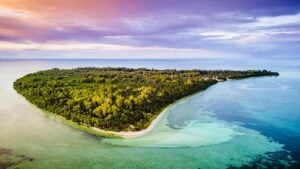
The Seychelles is widely regarded as the ultimate GT destination, particularly on remote atolls like Alphonse, Cosmoledo, and Farquhar. Anglers often fish on foot, sight-casting to cruising fish in shallow flats and lagoon edges during tide shifts.
These regions offer exceptional topwater GT fishing from boats, with coral reef systems, outer drop-offs, and island channels providing prime ambush points. Both fly and popper setups are used depending on water clarity and conditions.
From the Great Barrier Reef to the Coral Sea and Rowley Shoals, northern Australia is known for monster GTs. Heavy spinning tackle and stickbaits are the norm, with lodge and mothership options available in remote areas.
GTs roam reef edges and volcanic slopes throughout Pacific archipelagos like Fiji, New Caledonia, French Polynesia, and Christmas Island. These fisheries offer both quantity and size potential, with limited pressure in many zones.
Komodo, Raja Ampat, and parts of Borneo hold strong GT populations. Anglers fish current seams, reef drop-offs, and bait schools using topwater plugs or jigging gear.
These Indian Ocean nations offer rugged coastlines and offshore reef systems where massive GTs feed aggressively. Many areas remain lightly fished, with excellent lodge-based or camp-style options.
Remote waters and strong tidal currents make Oman one of the best places on Earth to target massive GTs. The fish here are known for brutal surface strikes and long runs near rocky headlands and reef edges.
GTs are a true test of gear, technique, and nerve. Their crushing topwater strikes and sheer power leave a lasting impression—especially when fishing remote, reef-laced environments. Unlike many predators, GTs will ambush prey, chase bait for long distances, and even attack birds and mammals in the water. When hooked, they make blistering runs straight for the reef, testing even the heaviest tackle and the best anglers in the world.
Whether you’re walking the flats of Cosmoledo or casting stickbaits into whitewater off the Great Barrier Reef, everything about GT fishing is high-stakes and high-reward. They’re a species that demands commitment, but deliver unforgettable moments in return.
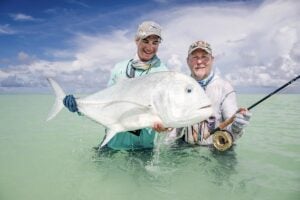
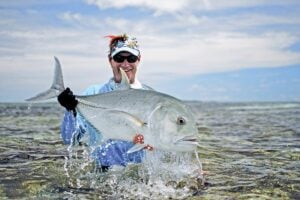
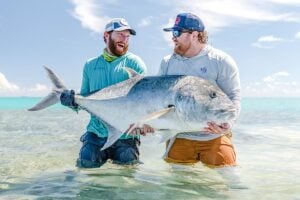
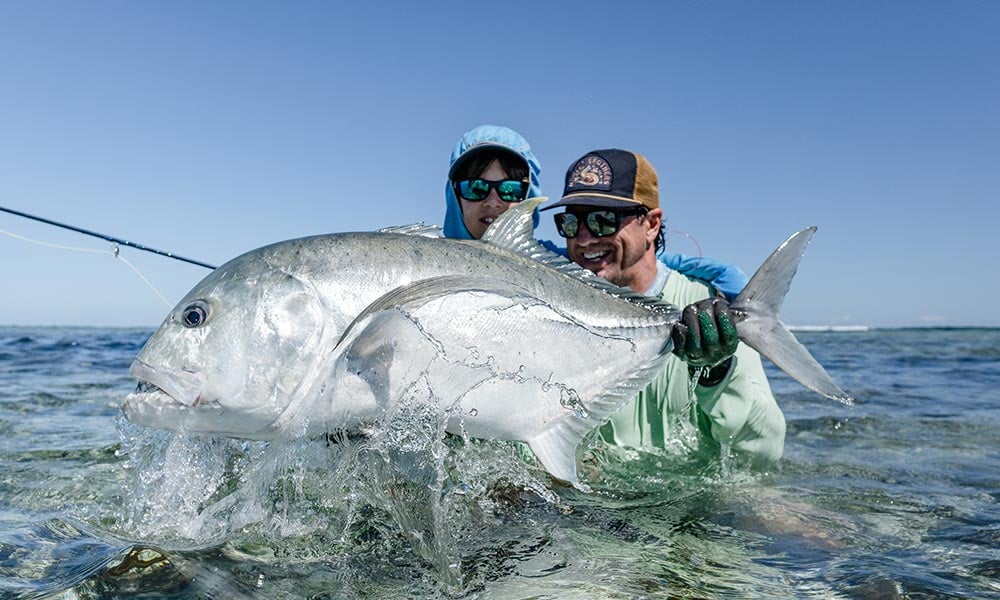
Giant trevally are deep-bodied, muscular jacks with steep foreheads, thick shoulders, and heavy-set tails. Adults are typically silver to gunmetal gray with dark fins, while juveniles may show mottled or barred markings. Their large eyes and broad head give them a predatory profile, and their broad, forked tail is built for explosive acceleration. Big males often darken during spawning season, appearing almost black when fired up.
FishingExplora connects anglers with some of the world’s top saltwater fly fishing GT fisheries, including the outer atolls of the Seychelles. These are not casual fishing trips—they’re carefully timed, guide-led experiences designed for anglers chasing serious surface eats, heavy drag pressure, and truly wild settings. Whether you’re fly fishing on foot or launching stickbaits into reef breaks, you’ll find remote lodges and expert teams ready to put you in front of aggressive, trophy-class GTs.
For fly fishing GTs, use a 12-weight rod, large-arbor saltwater reel, and tropical floating or intermediate line. Flies should be large baitfish patterns tied on strong hooks. Reels must have heavy drag to handle aggressive strikes and blistering runs.
Giant trevally can exceed 100 pounds, though most fish caught on flats or reefs are 20–60 lbs. The largest GTs are usually found near deep reef edges, offshore pinnacles, or strong tidal drop-offs in remote fisheries.
The best GT fishing in the Seychelles is from October to May, with spring tide weeks offering the best action. Flats and lagoon systems like Cosmoledo and Farquhar produce consistent opportunities during strong tidal movement.
Yes, GTs are aggressive surface feeders and are often targeted with large poppers or stickbaits. These topwater strikes are explosive and one of the reasons GTs are so prized by bluewater anglers using both fly and spin gear.
The Seychelles is widely regarded as the top GT destination. Remote atolls like Cosmoledo, Farquhar, and Alphonse offer ideal conditions—shallow flats, reef edges, and aggressive fish with minimal angling pressure.
We use cookies to improve your experience and enable key features on the platform. You can choose which cookies to allow. Some features may not work fully without consent.