Discover the best milkfish destinations, guided trips, and lodge-based experiences worldwide. Explore remote waters and world-class angling with expert local hosts.

No results available
Milkfish are one of the most underrated and challenging fly rod species—powerful, elusive, and capable of long, blistering runs. Found in tropical oceans, they’re best known from the remote atolls of the Seychelles.
Milkfish (Chanos chanos) are a plankton-feeding, silvery gamefish that defy easy classification. Though they resemble mullet in appearance, they fight more like bonefish crossed with a tarpon. On fly, they can be maddeningly selective, but when hooked, they deliver high-speed runs, leaps, and extended battles that test gear and skill.
Unlike predators, milkfish don’t eat baitfish—they graze on algae and plankton mats. This makes them one of the few legitimate fly-only targets in saltwater, requiring specific fly patterns and presentation. The Seychelles is currently the premier destination for targeting them, particularly in areas where currents concentrate food and visibility allows visual presentation.
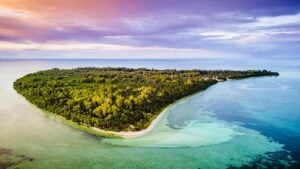
Atolls like Farquhar and Cosmoledo offer rare access to reliable milkfish feeding grounds. Anglers target them near current seams, lagoon edges, and algae-rich flats, where they cruise in small schools during outgoing tides. Seychelles guides have developed specialized techniques and flies for this highly specific fishery.
Milkfish are uniquely challenging. They don’t respond to conventional flies or tactics, and they often feed in highly specific current conditions. Hooking one requires precision and patience—but once connected, few fish fight harder. Long, reel-scorching runs and acrobatic jumps define the experience, and their vegetarian diet makes them one of the only saltwater gamefish that must be specifically targeted on fly.
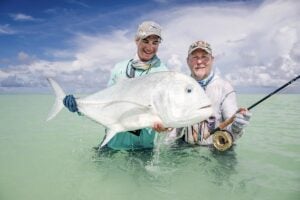
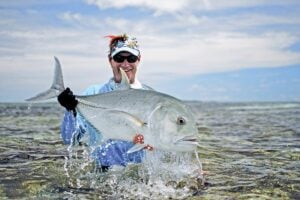
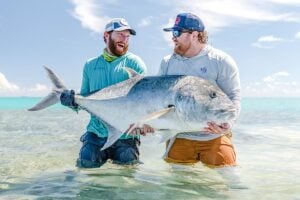
Milkfish have a streamlined, torpedo-shaped body with forked tails, small mouths, and large eyes. Their bodies are chrome-bright, with a slight green or blue cast along the back. They often resemble mullet but grow much larger—fish over 20 pounds are common in the Seychelles. Their small, downturned mouths and soft jaws make hook placement and pressure control critical during the fight.
Milkfish are highly dependent on environmental conditions—visibility, algae presence, and current all factor into whether they feed actively. The best action typically coincides with outgoing tides and minimal wind.
FishingExplora features saltwater fly fishing lodges in the Outer Islands of the Seychelles, where milkfish are a unique specialty. These trips are best suited to experienced anglers with a desire to target something technically demanding and highly rewarding. Expert guides, specialized flies, and ideal seasonal timing make this one of the most unique fisheries in saltwater fly fishing.
Yes—milkfish are notoriously selective and require specific algae or plankton imitation flies. Hooking one demands precise timing and presentation, but the reward is an epic fight on fly gear.
Most fish range from 15 to 25 pounds, but milkfish can exceed 30 pounds in the Seychelles. Their speed, endurance, and leaping ability make them a serious test for any angler.
Specialized green and tan algae patterns are most effective. These imitate filamentous algae or micro-plankton. Presentation must be drag-free and natural to trigger a take.
The Outer Islands of the Seychelles—particularly Farquhar and Cosmoledo—are the most reliable destinations. Guides there have refined techniques that make milkfish an achievable target on fly.
We use cookies to improve your experience and enable key features on the platform. You can choose which cookies to allow. Some features may not work fully without consent.