Discover the best rockfish destinations, guided trips, and lodge-based experiences worldwide. Explore remote waters and world-class angling with expert local hosts.
Southeast Alaska
Chinook (King) Salmon, Coho (Silver) Salmon, Halibut
Southeast Alaska
Chinook (King) Salmon, Coho (Silver) Salmon, Halibut
No results available
Rockfish are a mainstay of deepwater fishing in the North Pacific—hard-hitting, great eating, and often caught in remote offshore waters alongside halibut and lingcod. These bottom dwellers offer variety and volume for anglers fishing from lodge-based boats.
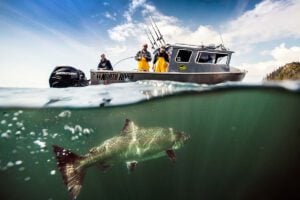
Rockfish (Sebastes spp.) represent more than 30 species across the Pacific coast, ranging from the vivid orange yelloweye to the widely distributed black rockfish and the structure-hugging quillback. While not known for blistering runs, they fight hard on the way up and often come from depths of 100–500 feet.
Fishing for rockfish is typically done from boats using heavy spinning or conventional tackle. Vertical jigging, bait rigs, and metal lures all produce fish, especially over rocky reefs, ledges, and submerged pinnacles. Many lodge-based trips in Alaska and British Columbia combine rockfish with halibut and lingcod sessions.
Due to depth and barotrauma, catch-and-release options are limited. Most rockfish are retained for food—valued for their firm, white meat and clean flavor. Regional regulations often focus on species limits and conservation of long-lived varieties like yelloweye.
Alaska offers outstanding rockfish action across its southern coast, especially from lodge boats operating in Prince William Sound, Kodiak, and Southeast. Yelloweye, black, dusky, and tiger rockfish are common. Most are caught on bait or jigs while targeting halibut or lingcod.
BC’s Inside Passage and offshore reefs support a wide range of rockfish. Access often comes with stricter regulations and depth restrictions, but catch quality remains high—especially for anglers fishing with knowledgeable guides in less pressured areas.
Oregon and Washington offer solid rockfish fishing, especially for black, canary, and copper varieties. Many areas are accessible from shore or small boats, though offshore reefs require more serious logistics.
While not the primary target, some deep Pacific rockfish species are found off northern Baja. These fish are often incidental to snapper and grouper trips but add diversity to mixed-bag bottom fishing.
Rockfish offer a combination of variety, abundance, and quality eating. They’re a dependable target when conditions allow deep dropping, often caught alongside halibut, cod, and lingcod. Some species, like yelloweye, live over 100 years—making them both prized and sensitive to overharvest. Their strong fights from deep water, bold coloration, and value as table fare make them a favorite among North Pacific anglers.
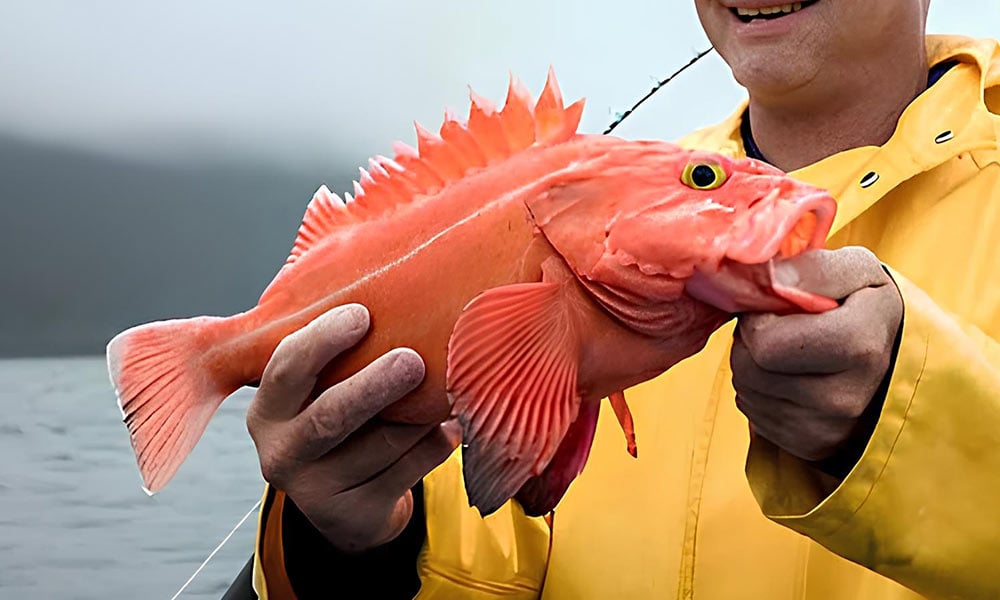
Rockfish vary greatly by species but share a spiny dorsal profile, large mouths, and heavily armored cheeks and gill covers. Yelloweye are vivid orange-red with bright eyes and grow up to 30 pounds. Black rockfish are slate-colored with mottled sides, while quillbacks show copper and gold markings with distinctive raised dorsal spines. Most species measure 2–10 pounds, though yelloweye and a few deepwater species grow considerably larger.
Most rockfish are caught during summer months when sea conditions allow offshore access. Targeting specific species may require fishing deeper or closer to reef edges.
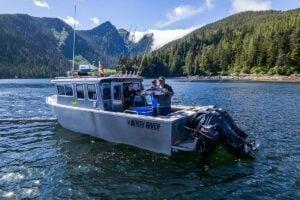
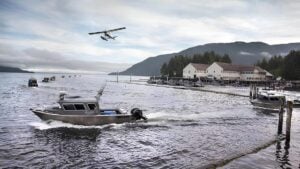
FishingExplora features full-service fishing lodges in Alaska, where rockfish are a staple of multi-species programs. These larger coastal resorts operate well-equipped boats targeting halibut, lingcod, and rockfish on deep reefs and offshore drop-offs. Guests can expect comfortable accommodations, experienced captains, and high catch potential.
In Alaska, black rockfish and yelloweye are the most common species, along with dusky, quillback, and copper rockfish. Most are caught on jigs or baited rigs near rocky structure or offshore reefs.
Yes. Rockfish have firm, white meat with a clean, mild flavor. They’re excellent grilled, fried, or baked, and are highly valued as a food fish in North Pacific regions.
Most rockfish are caught between 100 and 300 feet, though some species like yelloweye are found deeper. Reefs, ledges, and rocky drop-offs are key habitats for consistent action.
Absolutely. Many anglers catch rockfish incidentally while bottom fishing for halibut. The two species often share structure and can be caught on the same baits or jigs.
Some species like yelloweye are long-lived and slow to reproduce, making them vulnerable to overfishing. Fisheries regulations often limit retention or require deep-release tools to prevent barotrauma.
We use cookies to improve your experience and enable key features on the platform. You can choose which cookies to allow. Some features may not work fully without consent.