Explore trusted lodges and expert-guided trips offering jig fishing in saltwater and freshwater settings.
Gabon, Central Africa
Cubera Snapper, Giant African Threadfin, Jack Crevalle
Pacific Region, Colombia
Amberjack, Bigeye Tuna, Cubera Snapper
Abaco, The Bahamas
Barracuda, Bonefish, Grouper
British Columbia, Canada
Chinook (King) Salmon, Coho (Silver) Salmon, Halibut
Southeast Alaska
Chinook (King) Salmon, Coho (Silver) Salmon, Halibut
No results available
Jig fishing relies on lure motion—either vertical or horizontal—to trigger reaction strikes. It’s effective in deep structure, current seams, reefs, and drop-offs, where fish ambush prey.
Unlike passive techniques, jigging is tactile and deliberate. Anglers stay in contact with the lure, controlling depth, cadence, and action. Whether bouncing metal jigs off reef edges or probing river holes with soft plastics, jig fishing is versatile, responsive, and highly effective for both pelagic and structure-oriented species.
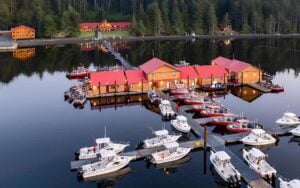
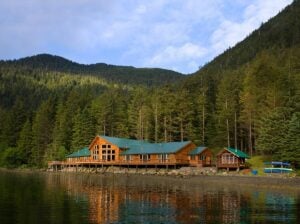
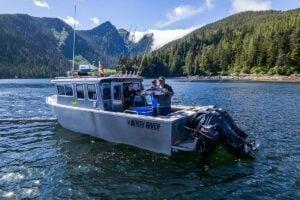
Target halibut, lingcod, and rockfish with heavy metal jigs in deep channels and along coastal structure. Most trips run from lodges using offshore or nearshore boats.
Jigging is a staple method for bottomfish, including large lingcod and yelloweye rockfish. Local guides know the reef structure, tides, and best depths to fish.
Combine vertical jigging and fast retrieve styles for snapper, cobia, African threadfin, and barracuda near estuaries, river mouths, and reef points.
Explore the Pacific coast where jigging can be productive for grouper, cubera snapper, and jack species around drop-offs and submerged rock formations.
Medium to heavy rods with fast actions are preferred for jig control and hook-setting power. Reels should have strong drag systems and smooth gearing—spinning or conventional depending on the target depth and species. Line choice is critical: braided mainlines offer sensitivity and hook penetration, while fluorocarbon leaders handle abrasion near rocks or reefs. Match jig weight to depth and current, and pack a range of styles and colors suited to local forage and light conditions.
FishingExplora features lodge-based jig fishing trips in both saltwater and freshwater settings. Whether you’re working deep structure for grouper or fishing tight coastal zones for snapper and jack, our trusted guides understand the movement, timing, and equipment needed to fish jigs effectively in their waters.
A medium-heavy to heavy fast-action rod in the 6–7 ft range pairs well with high-speed reels. Choose a rod with backbone for deep jigging and quick hooksets.
Weight depends on depth and current. For saltwater, bring jigs from 100g to 300g; for freshwater or inshore, 1/4 oz to 2 oz is typical. Ask your lodge for guidance.
Jig fishing targets bottomfish like grouper, halibut, and snapper, as well as pelagics like amberjack and tuna. In freshwater, jigs work for bass, zander, and walleye.
Yes—but success comes faster with good technique and feel. Guided trips help shorten the learning curve by adjusting cadence, jig choice, and presentation in real time.
Both work. Spinning setups offer flexibility and casting distance; conventional gear provides better leverage and control for deep jigging or large fish.
We use cookies to improve your experience and enable key features on the platform. You can choose which cookies to allow. Some features may not work fully without consent.