Explore trusted lodges and expert-guided trips offering trolling in saltwater and freshwater settings.
Southeast Alaska
Chinook (King) Salmon, Coho (Silver) Salmon, Halibut
British Columbia, Canada
Chinook (King) Salmon, Coho (Silver) Salmon, Halibut
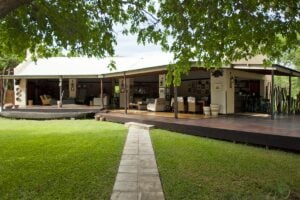
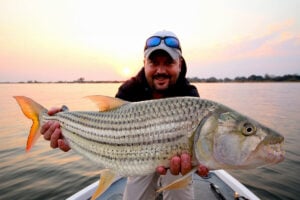
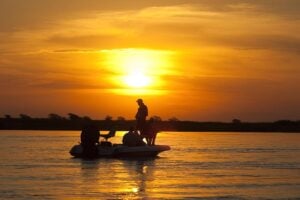
Zambia, Southern Africa
Catfish, Nembwe, Tigerfish
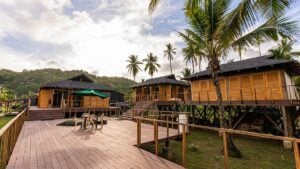
Pacific Region, Colombia
Amberjack, Bigeye Tuna, Cubera Snapper
No results available
Trolling covers ground efficiently while presenting multiple lures at varied depths and speeds. It’s especially effective for migratory and pelagic species—triggering aggressive strikes from fish on the move in offshore and nearshore waters.
Trolling is all about control, coverage, and depth. Whether you’re pulling skirted lures for big game offshore or slow-trolling live bait along reefs, this method lets you target multiple depth zones simultaneously. Anglers can adjust speed, spread, and lure action to dial in the bite—making it highly adaptable to changing conditions.
The technique is particularly suited for fast-moving species that roam large areas, including tuna, wahoo, mackerel, and sailfish. It also excels in structured environments, where trolling past drop-offs, ledges, or reef edges allows anglers to draw reaction strikes from ambush predators.
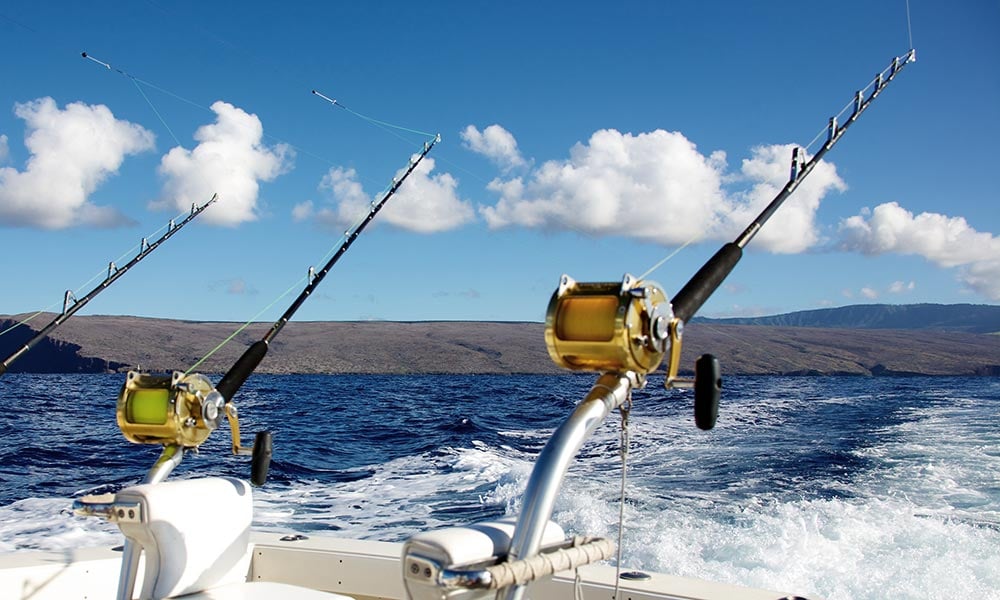
Trolling gear must be tuned for load, drag, and durability—especially when targeting hard-running species offshore. High-capacity conventional reels with smooth drags and quality rods built for sustained pressure are key.
FishingExplora highlights trolling-friendly lodges with boats, guides, and waters suited to this technique. Whether you’re trolling current seams for tuna or reef edges for kingfish, these experiences are built around high-output methods with experienced crews and well-equipped vessels.
It depends on species and lure type. Tuna and mahi-mahi respond to 6–8 knots with skirted lures, while wahoo prefer faster speeds around 9–14 knots. Live bait trolling is slower—usually 1.5–3 knots.
Trolling involves moving the boat deliberately to pull lures or baits, while drift fishing allows the current or wind to carry the boat naturally. Trolling covers more ground and is ideal for actively searching for fish.
Not always—but it’s strongly recommended for species with sharp teeth like wahoo or king mackerel. Mono or fluoro leaders work for tuna or mahi-mahi, depending on water clarity and lure action.
Yes—especially for species like Spanish mackerel, bluefish, or jacks. Nearshore trolling works along beaches, jetties, and reef lines, particularly when fish are chasing bait schools close to shore.
Skirted lures, diving plugs, spoons, and rigged natural baits are common. The best choice depends on the target species, trolling speed, and depth. Carry a mix to match conditions and switch out as needed.
We use cookies to improve your experience and enable key features on the platform. You can choose which cookies to allow. Some features may not work fully without consent.