Discover the best trevally fishing destinations, guided trips, and lodge-based experiences worldwide. Explore remote waters and world-class angling with expert local hosts.
No results available
Trevally are fast, aggressive reef predators found across tropical and subtropical saltwater regions. From explosive flats strikes to reef-edge ambushes, trevally offer some of the most visual and powerful saltwater predator fishing available.
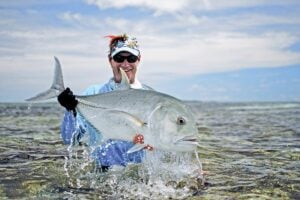
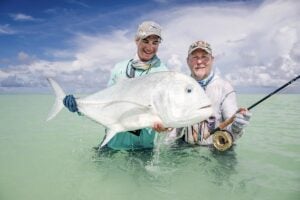
Trevally belong to the jack family and include several hard-fighting species—most notably the giant trevally (GT), which has developed a cult following among saltwater anglers. Others include bluefin, golden, bigeye, and yellowspotted trevally. While spin fishing is effective, fly fishing for trevally—particularly GTs—has become a benchmark challenge, requiring speed, accuracy, and serious gear.
Trevally hit surface flies, poppers, and stickbaits with violent aggression, often in shallow water or near reef drop-offs. Many strikes happen right at the rod tip. They’re known for their speed, brute strength, and unstoppable first runs into coral or structure. Few fish combine size, power, and ferocity like a big GT.
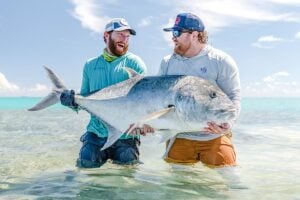
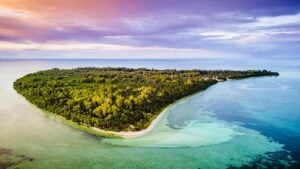
Atolls like Farquhar, Cosmoledo, and Alphonse offer the most famous trevally fishing on the planet. Giant trevally roam the flats, reefs, and channels—often hunted on foot or from skiffs using fly or popper.
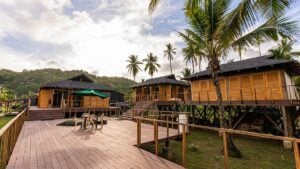
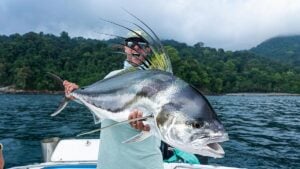
On Colombia’s Pacific coast, trevally mix with jacks, cubera snapper, and roosterfish. Remote jungle lodges give access to reef drop-offs and bait-rich currents where powerful fish hunt in packs.
The Maldives offer a range of trevally species, including bluefin and GTs, often targeted around coral heads and sandbars. Most fishing is done by boat near current-rich drop-offs.
Trevally species are abundant in northern Australia, especially GTs and goldens. Remote islands, reef edges, and river mouths produce big hits on poppers and flies alike.
Largely untapped and raw, PNG’s reef systems hold large trevally with minimal pressure. Fishing is typically lodge- or mothership-based and targets large, aggressive fish.
Reef passes and bluewater edges in Tahiti and neighboring islands are known for aggressive strikes from trevally species, especially bluefin in schools.
The Dhofar region is one of the few places where shore-casting for giant trevally is not only possible but exceptional. Fish here are large and brutal.
Trevally combine raw power, speed, and visual strikes like few other reef predators. They’re aggressive by nature, often smashing lures or flies in knee-deep water. GTs in particular are known for wrecking gear and pulling drag into the backing within seconds. Their versatility across habitats—from surf zones to flats to bluewater—makes them a prime saltwater target.
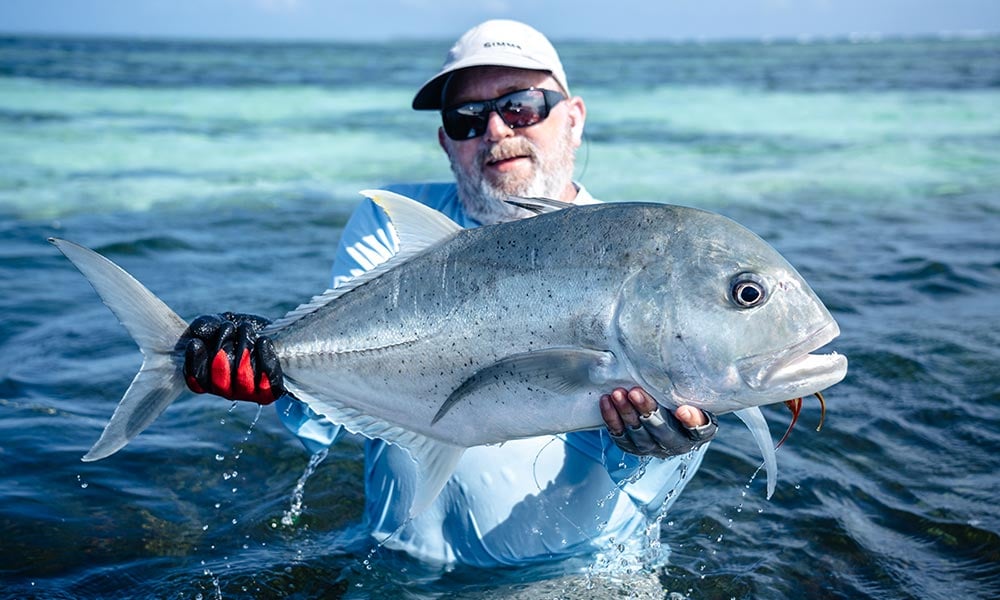
Most trevally have a deep, rounded body, large tail fin, and strong shoulders built for speed and torque. Their coloring varies by species—GTs are slate gray or black, bluefin have brilliant flashes of cobalt, and goldens shimmer under the sun. All have sharp, watchful eyes and a blunt head with a wide jaw. Large GTs can exceed 100 pounds, though most trevally caught range from 5 to 30 pounds.
Tides, clarity, and bait movement often dictate success. Flat-light conditions and falling tides are ideal for ambush strikes.
FishingExplora features trevally fishing lodges in the Seychelles and Colombia—two regions known for wild reef action, minimal pressure, and varied opportunities. Whether you’re casting flies on a remote atoll or launching poppers into jungle-backed surf, trevally deliver some of the most intense saltwater predator fishing on Earth.
Use an 11 or 12 wt rod, floating or intermediate tropical line, and a 100 lb leader with heavy shock tippet. Flies should imitate baitfish—brush flies and streamers with strong hooks are best.
Yes—most trevally strike hard and fight dirty. GTs are the most aggressive, but bluefin, golden, and even small yellowspotted trevally will slam flies and lures with surprising force.
Absolutely. Many of the world’s best GT spots—like Cosmoledo and Farquhar—are waded. Timing the tide and getting into position quietly is key to success on foot.
Not directly, but GTs can break rods, smash fingers, and slice leaders in coral. Strong gear, gloves, and attention to drag settings are all critical to staying in control.
Trevally are part of the jack family but are generally more powerful and aggressive, especially GTs. Their behavior and size separate them from smaller, more common jack species.