Explore trusted lodges and expert-guided trips offering bait fishing in saltwater and freshwater settings.
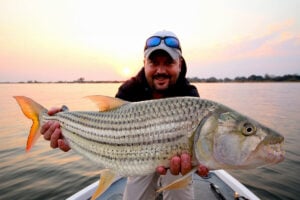
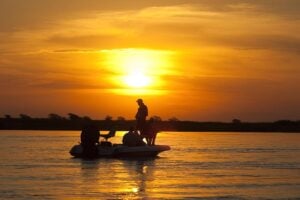
Zambia, Southern Africa
Catfish, Nembwe, Tigerfish
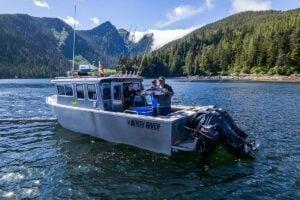
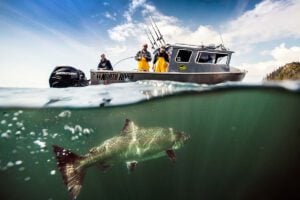
Southeast Alaska
Chinook (King) Salmon, Coho (Silver) Salmon, Halibut
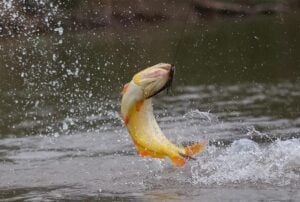
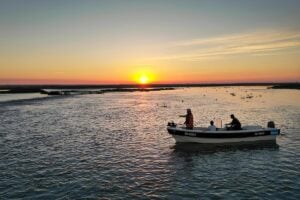
Santa Fe, Argentina
Golden Dorado, Pacú, Surubi
British Columbia, Canada
Chinook (King) Salmon, Coho (Silver) Salmon, Halibut
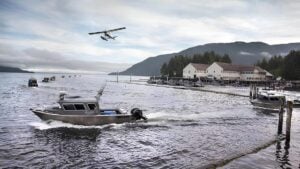
Southeast Alaska
Chinook (King) Salmon, Coho (Silver) Salmon, Halibut
No results available
Bait fishing is a versatile, time-tested method that relies on the scent, movement, or profile of natural bait to draw strikes. It’s ideal for targeting species that feed by smell or sight, especially in slower or deeper water where lures may be less effective.
Bait fishing excels in both freshwater and saltwater environments, from drifting cut bait for tarpon to soaking live minnows for trout. It’s a technique built on patience, precise rigging, and knowing how fish behave in relation to structure, current, and feeding windows. When done right, bait fishing often delivers consistent results—especially when fish are less active or water conditions are challenging.
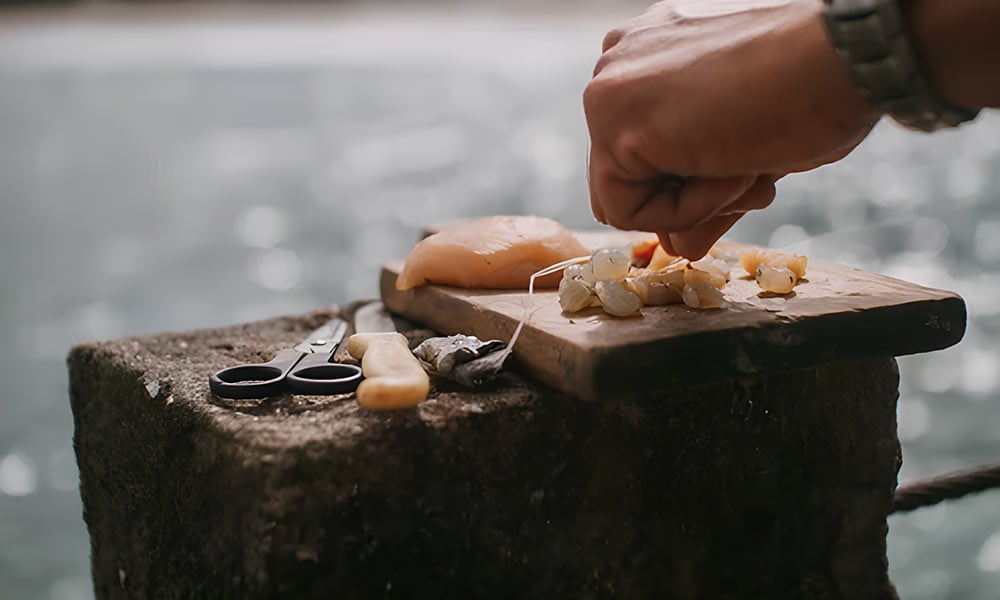
Success with bait depends on natural presentation and matching the rig to the environment. Choose bait types based on scent, movement, and regional availability—and use circle hooks where possible to reduce deep-hooking.
Key gear considerations:
FishingExplora highlights bait fishing lodges where experienced guides use proven methods to target quality species. Whether it’s soaking cut bait over an Alaskan shelf or free-lining live mullet through an African estuary, these trips offer targeted, rigged-for-success fishing in species-rich waters.
Bait fishing works well when fish are sluggish, pressured, or feeding deep. Natural scent and movement can trigger bites when lures fail—especially in stained or cold water.
Herring, squid, shrimp, and mullet are among the most reliable across species. Each offers strong scent and natural movement—effective in both fresh and saltwater settings.
Yes—saltwater rigs often use stronger leaders, larger hooks, and corrosion-resistant components. Freshwater setups may use lighter line and finer hooks, especially for finicky species.
Use live bait for active predators or when natural swimming motion matters. Cut bait works best when scent and dispersion are more important—especially for bottom species or in murky water.
Use sealed coolers with frozen gel packs or crushed ice for cut bait. For live bait, portable aerators and oxygen tablets help maintain water quality. Avoid over-handling and keep bait covered when possible.
We use cookies to improve your experience and enable key features on the platform. You can choose which cookies to allow. Some features may not work fully without consent.