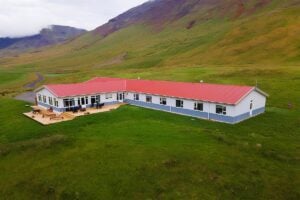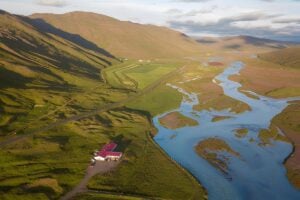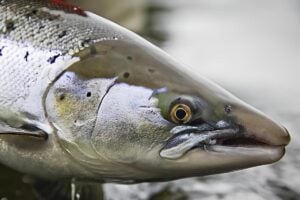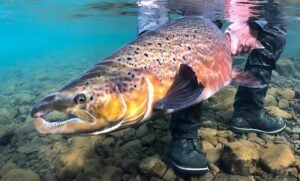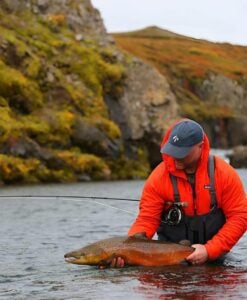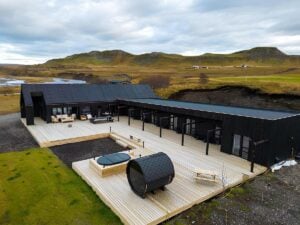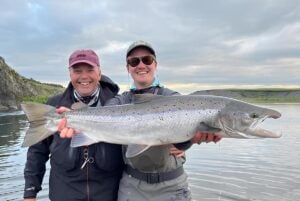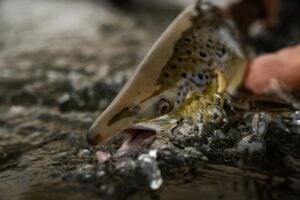
Explore world-class fishing trips in Iceland, staying at exceptional fishing lodges that combine expert guiding, remote wilderness settings, and outstanding angling.
No results available
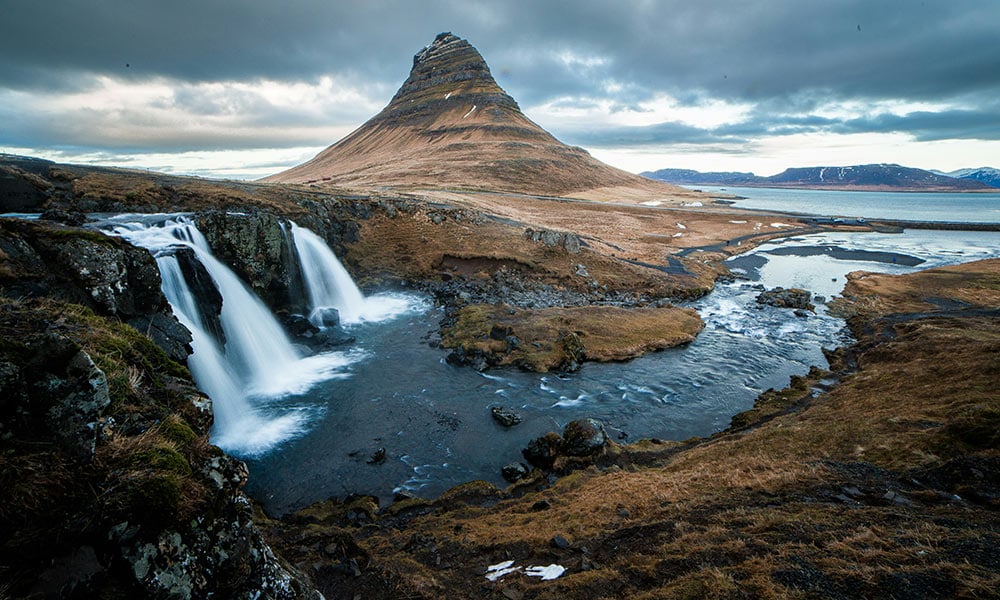
Set against a backdrop of glaciers, lava fields, and cold-water rivers, Iceland is a world-class destination for fly fishing. With strict conservation rules, private beats, and species like Atlantic salmon, Arctic char, and giant browns, it offers clear water, wild fish, and well-run lodges across the country.
Iceland blends high-quality freshwater fishing with raw, scenic isolation. With a population under 400,000 and tightly managed fisheries, angling pressure is low and fish populations remain healthy—especially for Atlantic salmon, Arctic char, and native trout. Many of the best fishing lodges in Iceland operate on private beats and partner with local guides who know the rivers intimately.
Anglers benefit from strong environmental oversight, well-maintained access, and a national culture that values catch-and-release. Whether you’re swinging flies on the Laxá, hunting sea trout along the southern coast, or stalking giant browns on Thingvallavatn, Iceland combines serious fly fishing with clean, efficient lodge operations and access to some of the most distinctive waters in Europe.
This area is home to some of Iceland’s most sought-after salmon fisheries, including the Hofsá and Selá. Classic beat systems, experienced guides, and strong conservation make it a favorite for traditional fly anglers.
Less trafficked than other regions, the northwest offers adventurous salmon and trout fishing with fewer crowds, rugged landscapes, and quality lodge access.
Home to the East and West Rangá, this area offers some of Iceland’s most productive salmon rivers, with high catch rates, well-managed lodges, and easy access from Reykjavík.
The Westfjords and Breiðafjörður provide stunning coastal fisheries for cod, halibut, and sea trout, along with striking landscapes and offshore access.
This iconic lake is home to some of the world’s largest brown trout. It’s a technical, sight-fishing challenge with serious trophy potential—especially in spring and early summer.
One of Iceland’s best-managed rivers, the Vatnsdalsá is known for multi-sea-winter salmon and low rod pressure. A top choice for anglers seeking privacy and high catch quality.
Accessible and varied, this area offers sea trout, cod, and pollock within a short drive of Keflavík Airport, making it ideal for short trips or add-ons to longer itineraries.
Fishing in Iceland is tightly managed and mostly fly-only, with beat systems in place on nearly all salmon and trout rivers.
While Iceland is best known for its wild Atlantic salmon, the variety of freshwater species and unique coastal options adds surprising depth to its fishing portfolio.
Iceland’s seasons are short and highly regulated—timing your trip by species is essential for success.
FishingExplora connects you directly with lodge owners, river managers, and trusted outfitters across Iceland. Whether you’re booking a full-service salmon camp or a focused trout trip, we help secure top dates and local expertise—without third-party booking fees.
Yes, a license is required for all rivers and lakes. Most lodges or outfitters will arrange permits and beat access as part of your package.
Salmon peak from late June through August. Arctic char fish well from June to early August, while trout fishing is best in May–July and again in September.
Yes. Many lodges welcome first-time visitors and offer experienced guides who are happy to assist newer anglers with local techniques and gear.
Yes. All fishing equipment must be disinfected by an authorized service before entering Iceland. You must carry a certificate to present at customs.
For salmon, bring 7–9 wt rods with floating and intermediate lines. For trout and char, a 5–6 wt rod with long leaders is ideal. Most lodges can advise on flies or provide them on-site.
Icelandic salmon rivers often call for small, subtle fly patterns. Popular choices include micro trebles like Red Frances, Black Sheep, Sunray Shadow, Collie Dog, and hitch tubes. Floating lines and long leaders are common, with fly size adjusted based on water clarity and temperature.
Yes. Icelandic fishing regulations typically require barbless or pinched-barb hooks for salmon, Arctic char, and trout to support catch-and-release practices. Most rivers enforce this rule, and guides or outfitters will ensure compliance.
Yes. FishingExplora lets you contact Iceland’s top lodges and river managers directly to plan and book your trip.
Yes. Keflavík International Airport connects to most major hubs in Europe and North America. Many rivers are within a few hours’ drive from Reykjavík.
The Icelandic króna (ISK) is the official currency. Credit cards are accepted nearly everywhere, even in remote regions. US dollars and euros are not typically used.
Tipping is optional but appreciated. For private guiding, US $100/day is standard. For lodge staff, 5–10% of your trip cost is appropriate if not already included.
Expect cool, windy, and often wet conditions. Summer highs range from 8–15°C (46–59°F). Bring rain gear and layers—weather can change fast.