
Discover top estuary fishing destinations worldwide, with experienced local guides and lodges offering direct access to prime waters.
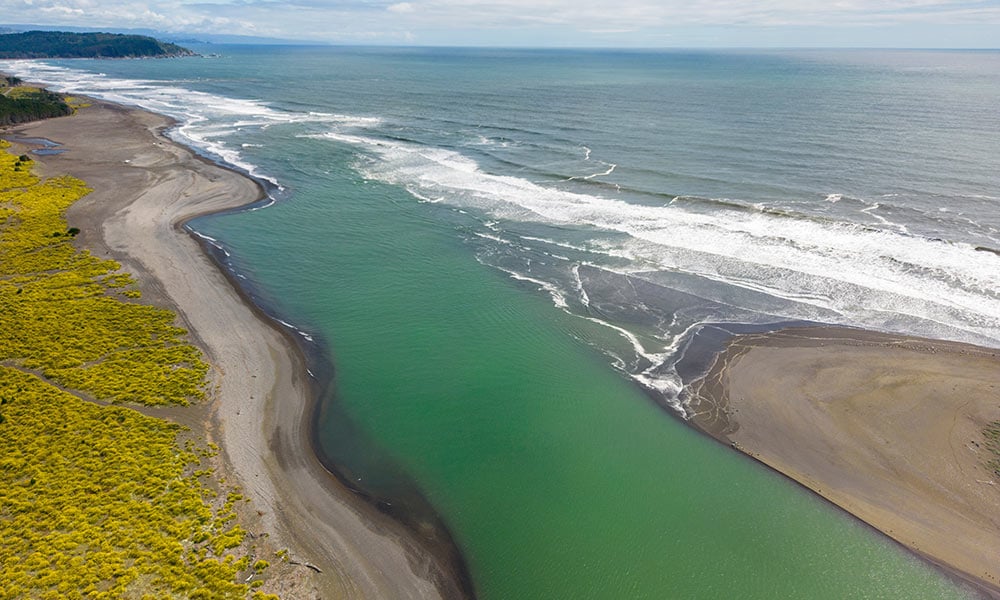
Where saltwater and freshwater meet, estuaries create dynamic, high-nutrient zones teeming with life. From mangrove-lined creeks to tidal rivers, estuary fishing offers an ever-changing environment and a real test of presentation, timing, and tide.
Estuary systems are some of the most productive fishing habitats on the planet. You’re dealing with complex tidal flows, brackish water, shifting clarity, and a mix of both resident and migratory species. From the edge of the mangroves to the mouths of coastal rivers, success often comes down to reading current seams, structure, and tidal timing.
Whether you’re working sand banks with streamers, casting surface lures into ambush zones, or fly fishing tannin-stained creeks, estuary fishing rewards versatility and watercraft. It’s active, varied, and rich in biodiversity.
Sea trout often hold in tidal pools and lower river reaches, feeding during dusk or nightfall. Estuaries offer prime access to these fish, particularly in northern Europe where sea trout runs are strong.
Estuaries offer juvenile tarpon prime habitat: calm water, food-rich zones, and cover. Larger fish push in during certain tides or seasons—offering a shot at both air-time and strength.
Snook thrive in estuarine environments—especially around creek mouths, submerged trees, and shaded cuts. They’re explosive on the take and often require accurate, close-range casting.
Several trevally species enter estuaries to feed—hunting baitfish along banks and drop-offs. They’re aggressive and powerful, demanding strong gear and quick reactions.
Species like mangrove snapper and cubera often hold near roots, rocks, and tight cover. Tides play a key role, with strikes often coming during pressure changes or at slack water.
Gabon’s jungle-lined estuaries offer explosive fishing for species like cubera, snapper, and tarpon—often in the same session. It’s one of the few places where you can consistently target these fish from shore or boat in estuarine settings.
Other notable estuary destinations include Belize, Costa Rica, Florida, Mozambique, New Zealand’s North Island, and Northern Australia. These areas are known for species-rich estuary systems that combine freshwater inflows, mangrove habitat, and tidal influence—though not all are currently featured on FishingExplora.
Estuary trips combine the best of several fishing worlds—tidal movement, freshwater input, and diverse species. FishingExplora connects you directly with trusted lodge hosts in regions where estuary fishing is central, not incidental. If you’re chasing tarpon on creek bends or working trevally near a river mouth, our partners help you make it count.
Tides affect everything—water depth, clarity, and bait movement. Rising tides often push predators into mangroves or up creeks, while falling tides can concentrate fish in deeper channels or at the mouths.
Medium to heavy spin gear or 8–10wt fly rods are common, depending on species. Accurate casting, abrasion resistance, and the ability to turn fish quickly near structure are key.
Many estuaries fish well year-round, but prime seasons depend on local climate, rainfall, and species migration. Some areas offer peak action during transitional seasons or after rains that flush baitfish into the system.
Estuaries mix salt and freshwater, creating nutrient-rich zones that attract bait and predatory fish. The changing tides and varied salinity support high biodiversity, making estuaries prime areas to intercept snook, tarpon, trevally, and other coastal gamefish as they move between habitats.
We use cookies to improve your experience and enable key features on the platform. You can choose which cookies to allow. Some features may not work fully without consent.