If you’re planning a trip to chase bonefish in the Bahamas, it helps to remember that their world runs on natural rhythms. Bonefish respond to tides, moon phases, light levels, and even subtle changes in pressure.
That means the best bonefishing trips aren’t necessarily tied to the calendar—they’re often built around favorable tide cycles. Rising water gives bonefish access to shallow feeding areas, while falling water pulls them back toward channels.
Add in sunlight and wind direction, and you’ve got a constantly shifting set of conditions that guides use to position you for a shot. Even a slightly overcast day can alter how visible—or invisible—they become on the flats.
How and where you bonefish in the Bahamas absolutely matter—but so does how well you read what’s happening in front of you. Two anglers can fish the same flat on the exact same day, and have completely different results.
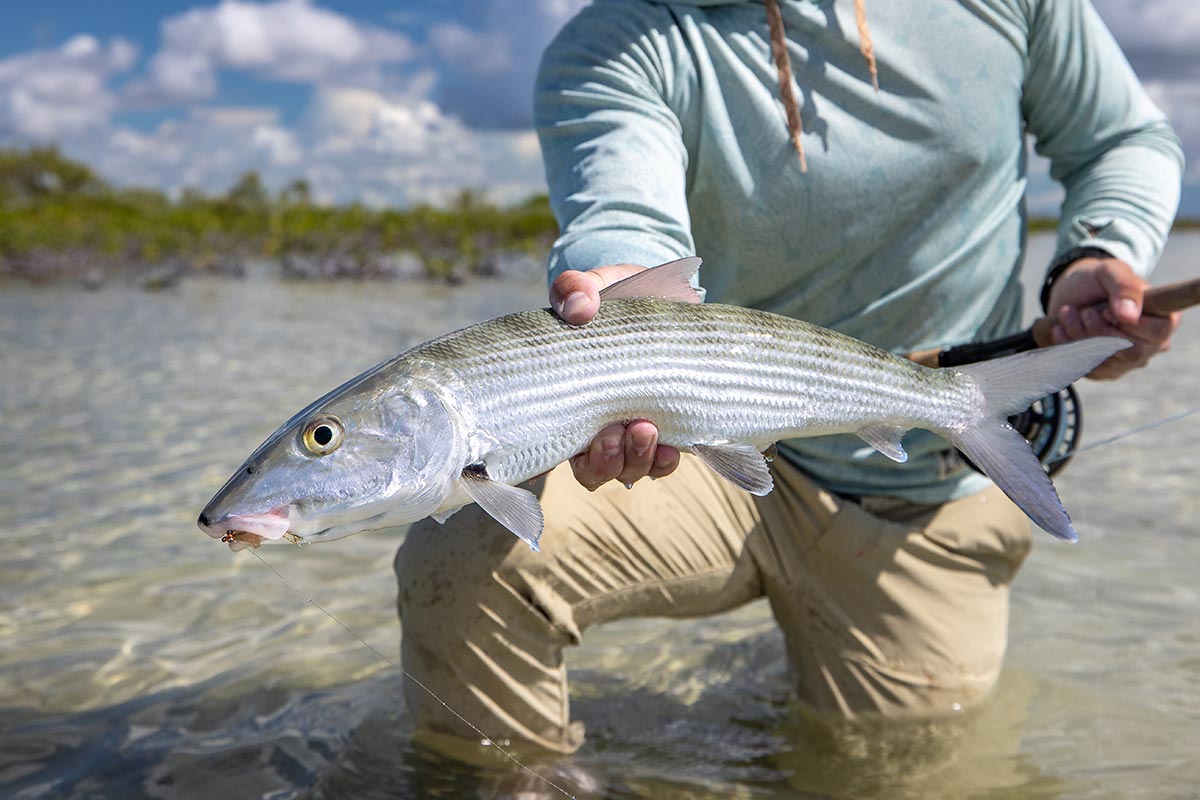
The difference often comes down to awareness: noticing how the water is moving, where the fish are likely to come from, and adjusting your approach on the fly. You have to be present enough to make small adjustments to where you stand, how fast you strip, what angle you cast—all based on what’s unfolding in real time.
But awareness doesn’t start on the flat. It starts with knowing how to time your trip in the first place. So let’s walk through what to consider before you even pack your gear—so you’re not just showing up, but showing up ready.
Best Seasons for Bonefishing in the Bahamas
Generally speaking, bonefish can be caught year-round in the Bahamas, and there’s no “wrong” time to go. That said, the seasons do offer distinct advantages depending on what kind of experience you’re after. Anyone who’s spent time on the flats knows the conditions don’t always line up the same way twice, and some windows offer a better shot than others, depending on what you’re after.
Weather, water temperature, wind, and pressure from other anglers all play a role in shaping your trip. So instead of the question “when is bonefishing is ‘good,’ in the Bahamas,” it’s worth considering when the conditions best suit the kind of bonefishing you want to do—and how prepared you are to take advantage of it when it happens.
Fall (October–December)
This is when the heat starts to ease off, the water cools just enough to get fish active again, and the big singles start showing up on the flats. There’s less pressure from other anglers post-summer, and you’ll often find fish more willing to eat.
You’ll want to watch the forecast closely. Cold fronts can roll in early some years, shifting wind patterns and dropping water temps fast. That can move fish around or tighten up the bite. But it also sets up some of the best shots of the year—lower sun angles, good visibility, and fish that are pushing shallow. In other words, the weather can be variable—but if you’re dialed in, the fishing can be exceptional.
Winter (January–February)
The winter bite is all about windows. Cold fronts can shut things down, but between them you’ll find some fantastic bonefishing opportunities: Bright skies, lower water, and easier visibility. Big fish cruise during warm spells.
Winter rewards patience. If you’re looking for numbers, this might not be your window. But if you’re hunting quality, it’s still in play.
Spring (March–May)
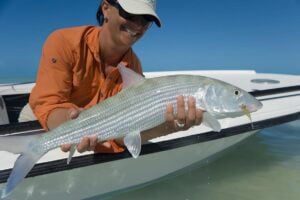
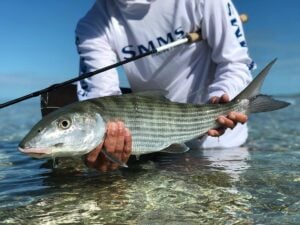
This is peak season. Bonefish are active, tides are stable, and weather patterns get more predictable. You’ll see schools and singles. You’ll cast more. Miss more. Hook more. And, hopefully, land the one you came for.
If this is your first trip, spring’s a solid place to start. If you botch a shot, chances are there’s another one coming. At the same time, if you’re experienced, the consistency opens the door to more technical shots—tailers on the edges, singles cruising solo, fish that ask for a little finesse.
Just don’t confuse “peak season” with easy. You’ll still need a good fishing guide, a solid double haul, and a strip that looks like something alive.
Summer (June–September)
It’s hot. And humid. But bonefish still eat. The upside? Less pressure on the flats. While the heat can be intense, especially midday, early mornings and late afternoons often deliver steady shots at fish. Some of the biggest fish of the year come to hand in the summer.
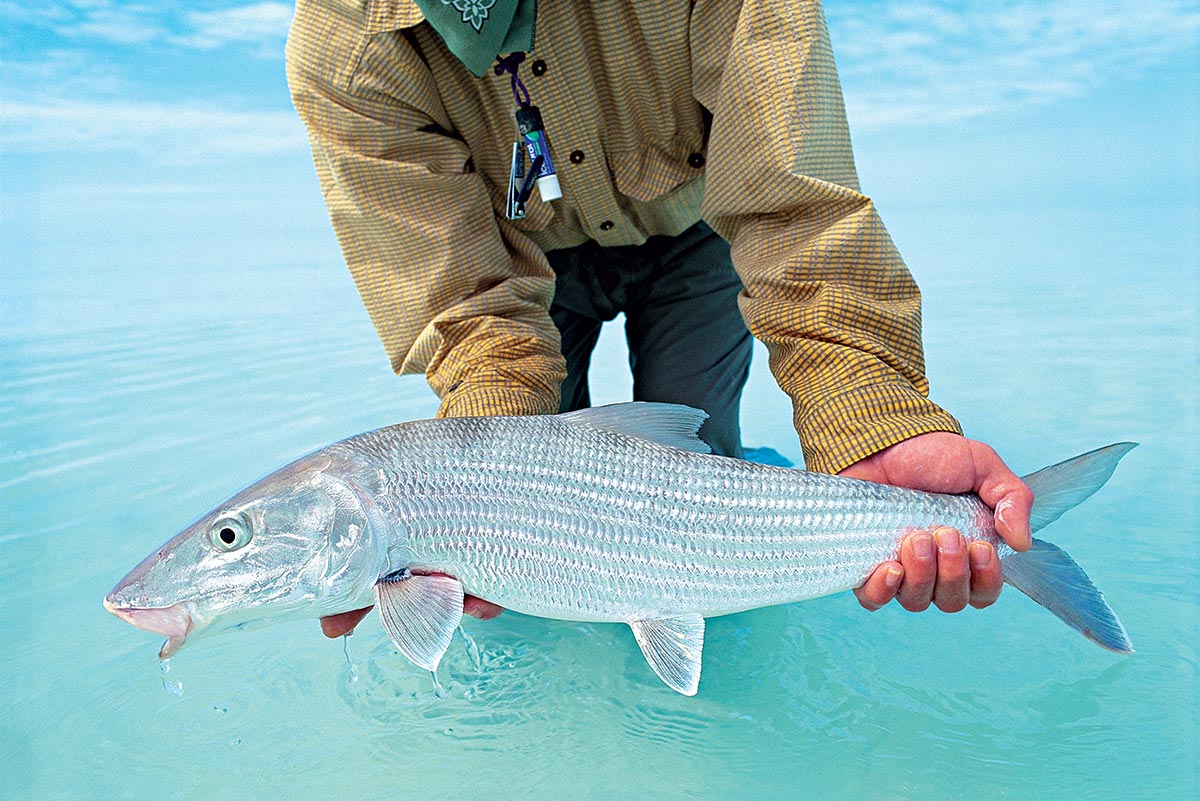
If you’re comfortable fishing in warmer conditions and want a quieter experience with a real chance at a trophy, summer is a great time to bonefish in the Bahamas—especially for those who’ve fished the flats before and are ready to make the most of it. Just come prepared with sun gear and plenty of hydration.
As a bonus, tarpon and permit show more frequently in summer, especially in the southern Bahamas. Warmer water and calmer conditions from May through September make it more likely to spot local Bahamas tarpon rolling in backcountry creeks or permit tailing on ocean-facing flats—particularly in places like Inagua, the Jumento Cays, and South Andros.
What About the Moon?
Tides matter more than the calendar, but if you really want to level up, pay attention to moon phases. Bonefish feed more aggressively around new and full moons—especially on the incoming tide. If you can line up your trip with a waxing or waning moon and favorable tide cycles, you’re stacking the odds in your favor.
It’s worth remembering that bonefish don’t leave the flats when the season shifts—they’re always there, just behaving a little differently depending on the conditions. If you’re prepared and use the right approach, any time of year can offer incredible fishing in the Bahamas.
What the Best Bahamas Bonefishing Guides Will Tell You
The right season gets you close. Preparation gets you the fish.
They won’t just talk about “when to go.” They’ll talk about how to be ready when you go. Because no matter how good the conditions are, if you’re not ready to lead a fish at 50 feet, drop the fly soft, and strip just right on the first shot—you’re out of the game.
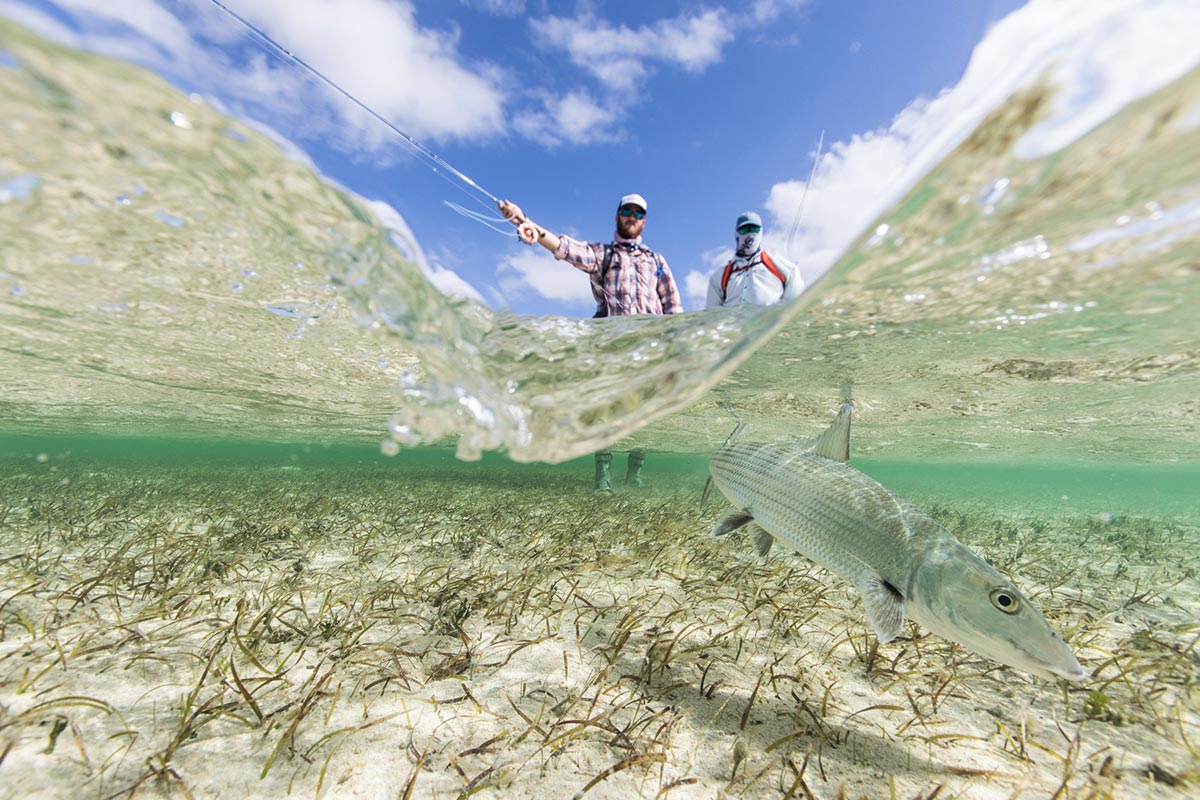
So yes, plan for Summer, Spring, Fall, even Winter—whenever fits the type of bonefishing experience you want. But practice your casting ahead of time—especially in the wind. Build accuracy into your muscle memory. Use markers or targets in your yard. Simulate quick reactions, just like you’ll need when a fish appears out of nowhere and you’ve got seconds to make the cast count.
Here are some tips for how to get ready, even if you’re miles from saltwater:
1. Build Casting Accuracy with Real-World Targets
- Set up targets in your yard—chalk circles, buckets, hula hoops, paper plates.
- Practice hitting them at 30–60 feet, especially from different angles.
- Focus on one or two false casts max—just like you’ll need on the flats. Bonefish don’t wait for four false casts and a prayer.
2. Simulate Guide Calls
- Have a buddy call directions and distances—“Ten o’clock, 40 feet,” or “One o’clock, 55 feet, moving left.”
- Practice reacting immediately without pausing to think or search. If you don’t have a partner, record voice prompts or use a timer app with random calls.
3. Train in Wind
- Practice on windy days. Seriously.
- Cast into a headwind, across a crosswind, even from your off-hand side. Use sidearm and underhand techniques to keep loops tight and low.
- Learn the double haul if you haven’t already. Without it, you won’t punch line through wind, period.
4. Strip Practice (Yes, Really)
- Lay out 40–60 feet of line in your yard or on a smooth surface.
- Practice smooth, consistent strips—short, long, slow, fast. Try to simulate what you’ll actually do when the fly lands.
- Watch bonefishing clips with the sound off to train your eye on how fish move and how anglers strip in response.
5. Line Management Reps
- Practice keeping your running line clean and untangled.
- Use a stripping basket or practice coiling line in your non-casting hand.
- Don’t just cast—simulate the whole process from line prep to strike.
Which Island Should You Choose?
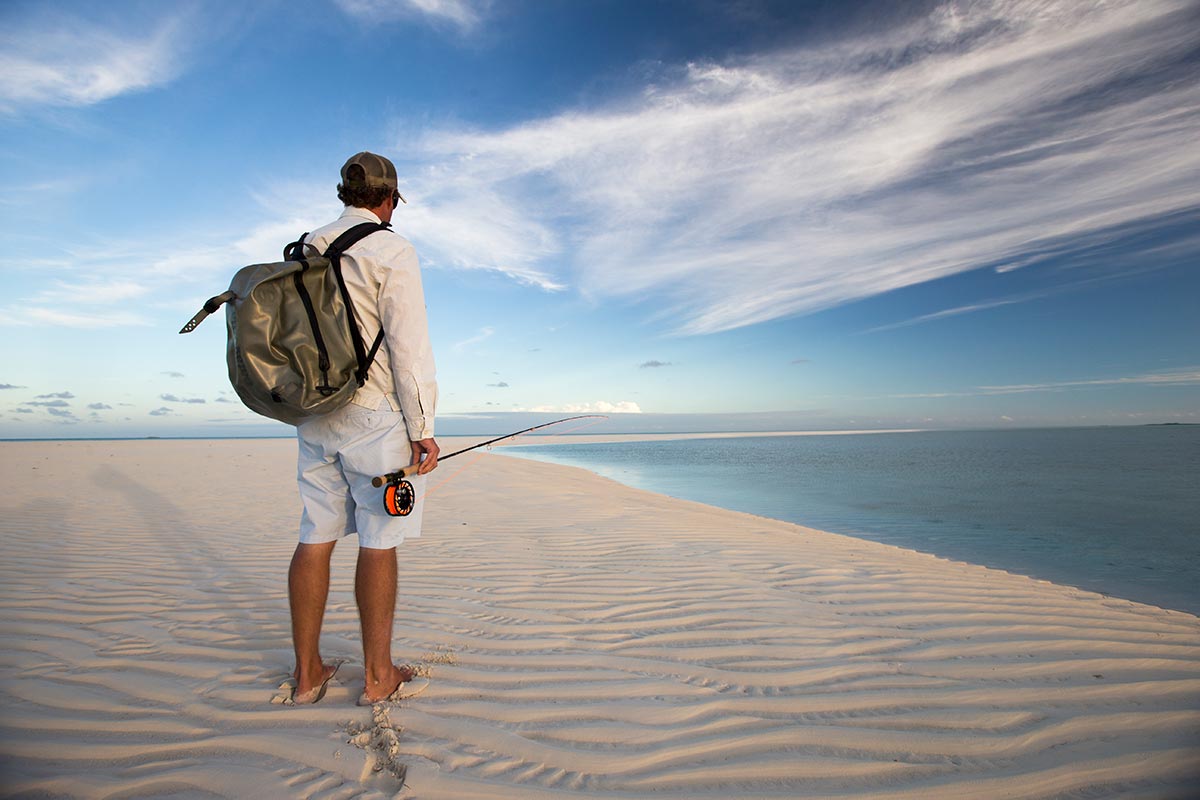
Timing your trip is one part of the equation—but choosing where to go can amplify the effect. Take South Andros, for example. It’s one of the few places in the Bahamas where bonefish habitat stretches so wide and varied that you can find fish during most tides and most months.
The flats breathe in all directions—creeks, lagoons, oceanside runs—and South Andros bonefishing lodges and guides here are masters at adjusting to the conditions.
Where Timing Meets Territory
There’s bonefishing, and then there’s South Andros. If you’ve done your homework—on tides, moon phases, and how to lead a fish without rushing the cast—this is the place that pays it off. While it’s breathtakingly beautiful here, it’s not just another backdrop for vacation photos. It’s a working flat, a living system, and a proving ground.
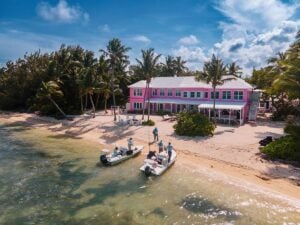
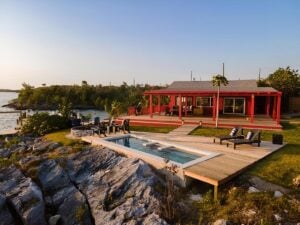
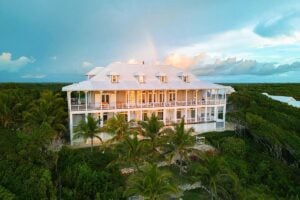
Right in the heart of it all is the well-placed Bair’s Lodge. Fly into Nassau, jump a quick hop to Congo Town, and within half an hour you’re stepping off the tarmac and into the real thing. No trailered skiffs. No long drives through scrub. Just coffee, sun, and your skiff waiting at the dock.
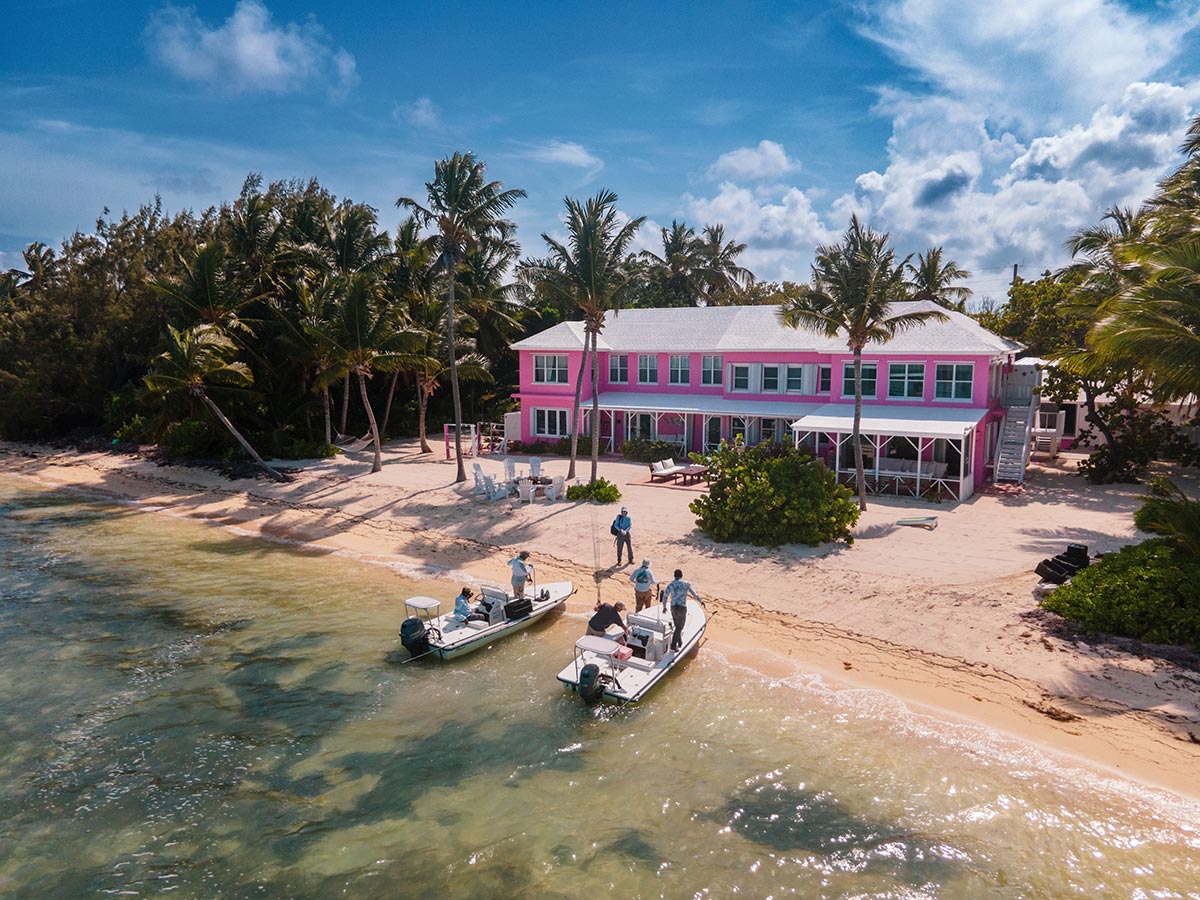
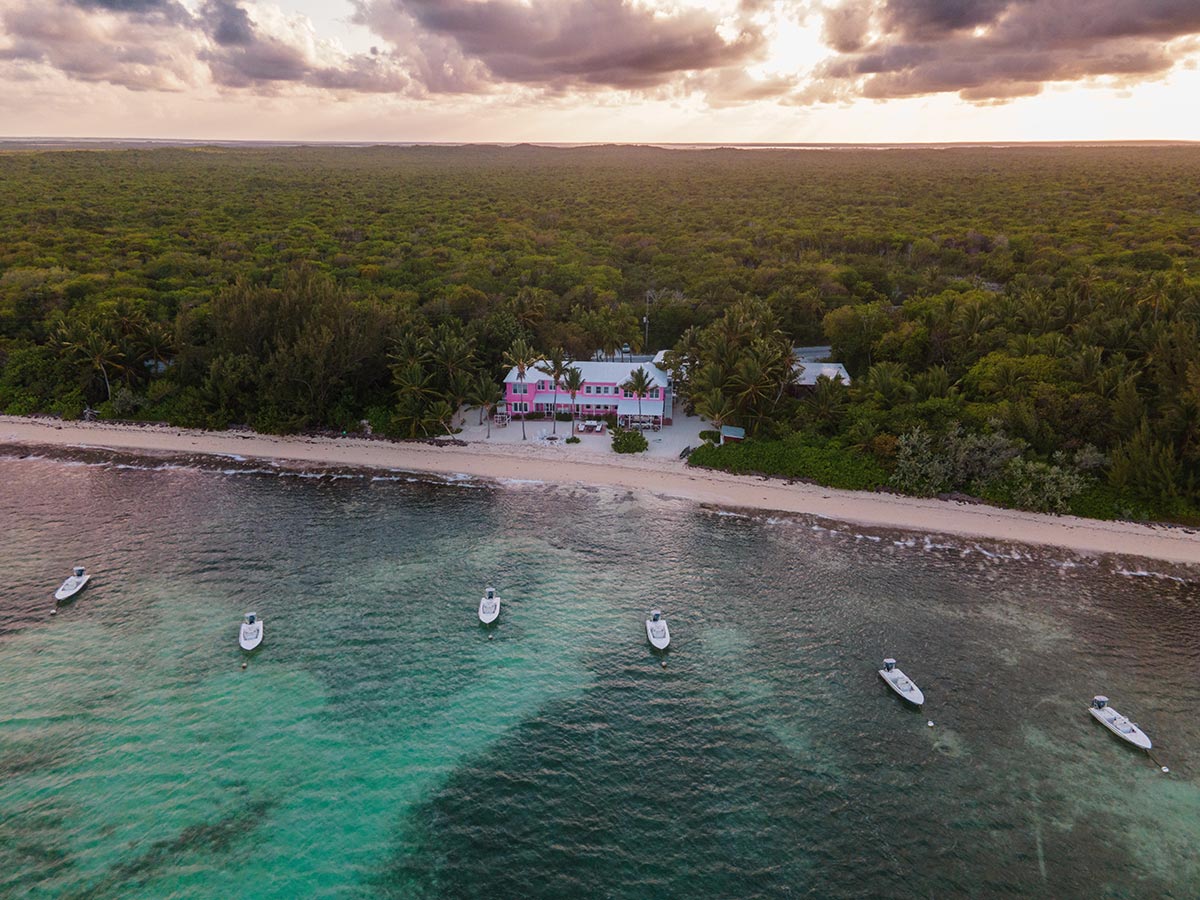
What makes Bair’s exceptional for bonefishing isn’t just the location—it’s the way the whole operation is built around time efficiency and water access. You’re on the calm side of the island, with boats moored feet from the lodge. That means earlier runs, longer sessions, and less time stuck anywhere that doesn’t involve a cast.
Inside, the setup is clean and comfortable, with hot showers and cold A/C. There’s gear storage where it should be, rod racks, and enough space to prep without stepping over your stuff. The food is both local and elevated, with fresh-caught staples and the kind of post-skiff comfort food that hits exactly right after a long day in the sun.
Of course, the story isn’t just in the porch views or the menu: It’s in the water you’ll be fishing.
The Fishery
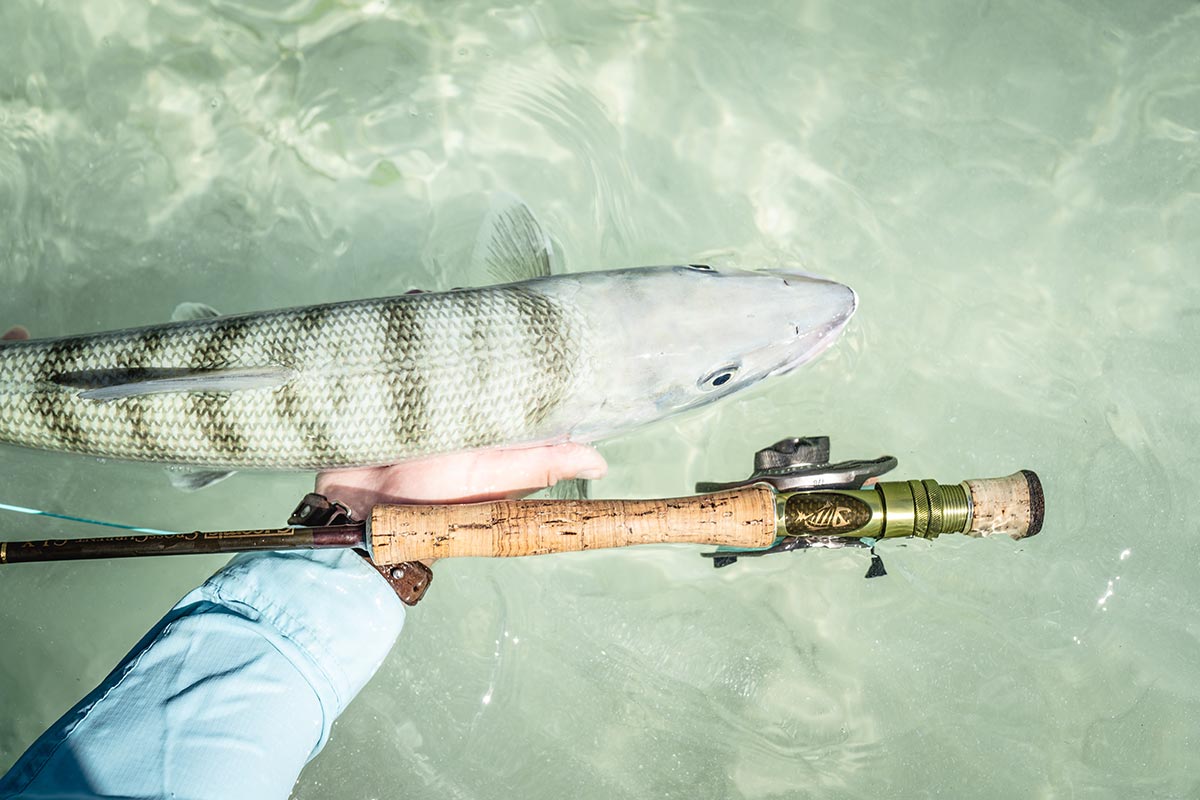
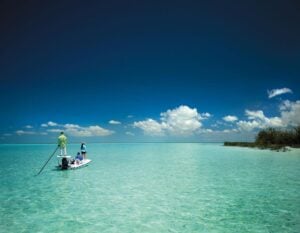
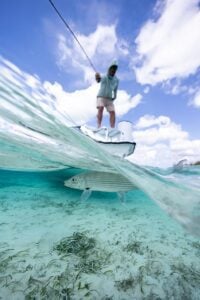
South Andros gives you options. Weather shifts, wind picks up, light changes, and this place still gives your fishing guide ways to put you on fish. Flats, creeks, lagoons, oceanside runs—it’s all in play:
- East Side: Clean white-bottom flats with classic sight fishing for cruisers.
- Grassy Creeks: Slightly off-color water, lots of decisions, and plenty of tailing fish.
- Mangrove Zones: Tight quarters, quiet moves. The kind of places where a slow stalk can outfish a hundred casts.
- South and West Side: Open and shallow with big bones that like to test your patience and your presentation.
This kind of variety isn’t just nice—it’s strategic. It means you don’t need perfect conditions. You just need a guide who knows what’s in play and when.
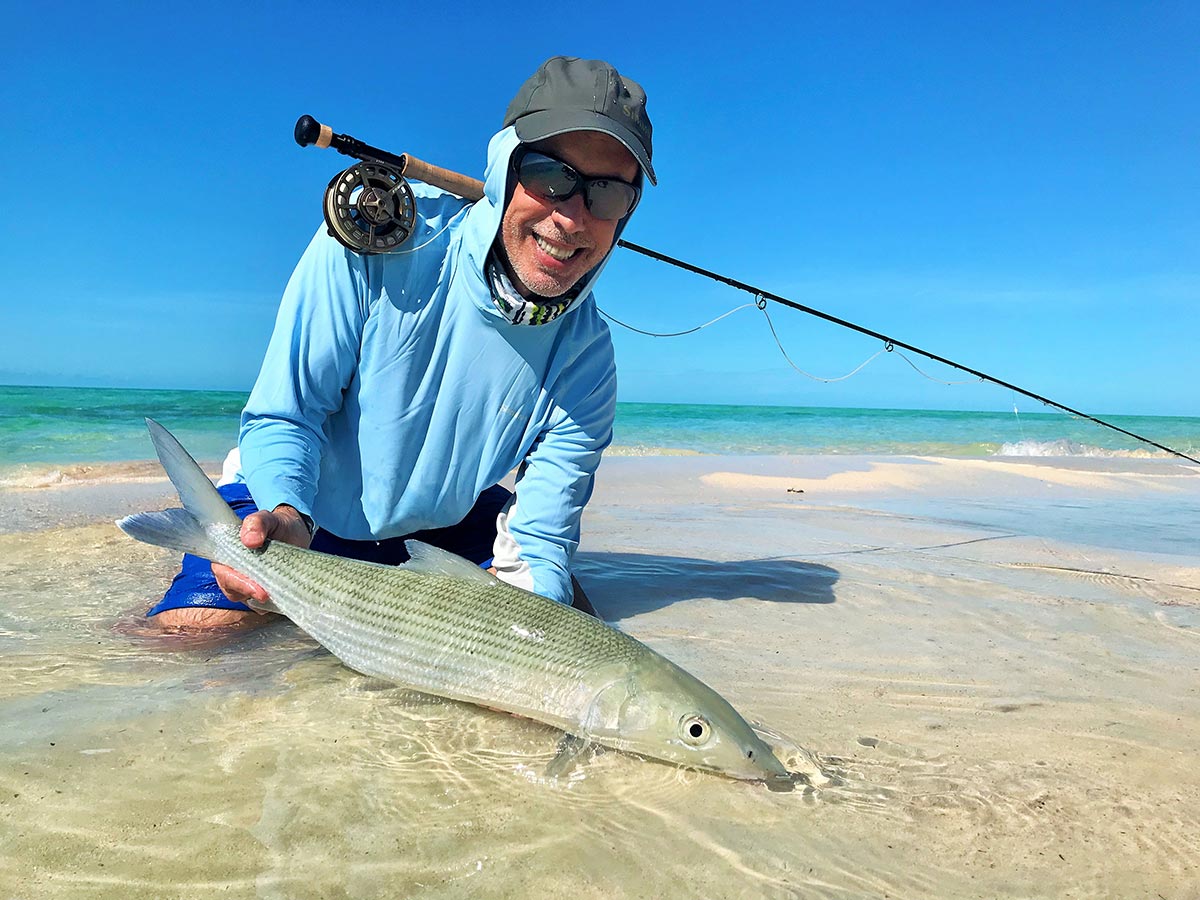
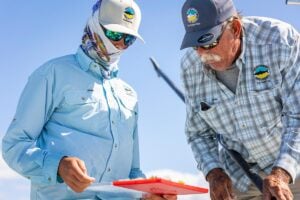
Naturally, the guides at Bair’s aren’t part-timers. They’ve grown up in this fishery. Some of them have guided longer than most guests have been fishing. And if you’re paying attention, you’ll learn more from one day on their skiff than from five DIY trips anywhere else.
If you’re green, they’ll meet you where you are. If you’re experienced, they’ll push you further. But most importantly, they’ll remember—not just your name, but your casting side, your tempo, and so on.
Bonefishing South Andros
The spot alone isn’t enough. You still need the right conditions, good guides, and skill to make it all come together—no location is magic on its own. But South Andros, paired with the right tides and the right guides, gets close.
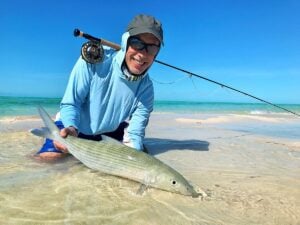
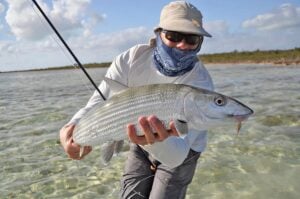
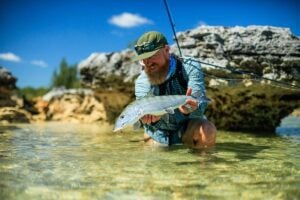
You’ll cast at shadows on open flats, thread shots into wind, and strip until your forearm aches. You’ll blow a few chances. Everyone does. But when it clicks—when you deliver the fly just right and the bonefish tips down—it’s an experience that stays with you forever.
That’s the kind of fishing Bair’s Lodge is built around. It’s a lodge that knows what serious flats fly fishermen are looking for, and delivers it—not because the place does the work for you, but because everything you need is lined up to make it happen.
When You’re Ready, They’re Waiting
Ultimately, the best bonefishing trips in the Bahamas happen when your cast is dialed, your eyes are trained, and your mind is quiet enough to see the movement that doesn’t match the wind.
Bonefish don’t always care what month it is. They’re always out there—moving with the tide, feeding in inches of water, vanishing in plain sight. The conditions won’t always be perfect. But if you show up sharp, patient, and tuned in, the flats will give you your shot.
The rest is up to you.