Insights given by Dawson Jordan, Vancouver Island Fly-Fishing Guide
Trout fishing on Vancouver Island is a multi-season pursuit shaped by shifting flows and the movement of fish between rivers, lakes, and estuaries. There’s no true “offseason” here—only changing water and weather. While individual systems may close during periods of warm, low water or heavy rain, anglers who stay flexible can find productive trout fishing in every month of the year.
Located just off Canada’s west coast, Vancouver Island stretches roughly 465 kilometers from north to south and is easily reached by ferry or short flights from Vancouver. Its size and road network make it practical for visiting anglers to move between regions as conditions change.
Most rivers are mountain-fed, some influenced by snowmelt, and many support Pacific salmon alongside resident trout and steelhead. With more than 100 rivers and over 1,000 lakes, this mix of water types and species gives anglers real options when weather, flows, or regulations shift.
“Growing up here, I never felt there was an ‘offseason’. There were just different rivers to fish and different ways to approach them as the year turned.” — Dawson J.
Trout Species on Vancouver Island
Vancouver Island supports several trout species that use rivers, lakes, and estuaries in different ways. Their seasonal movements and feeding patterns shape much of the Island’s trout fishing.
Coastal Cutthroat Trout
Coastal cutthroat on Vancouver Island follow different patterns through the year. Some remain resident in freshwater, while others move into estuaries and near-shore salt water, tracking seasonal food sources such as salmon fry.
Resident cutthroat are common in smaller rivers, headwaters, and lakes, where they spend their entire lives in freshwater and make up an important part of the Island’s year-round trout fishing.
In freshwater they hold along quiet edges, under overhanging trees, and in side channels where softer current concentrates drifting food. In spring, many fish shift toward estuaries to intercept migrating salmon fry, often pinning smolts against flooded margins on a rising tide. Most cutthroat run 12–18 inches, with larger fish appearing during peak fry-out periods.
Their mobility and sensitivity to tides create a dynamic early-season fishery that often produces the Island’s first reliable trout action.
Rainbow Trout and Steelhead
Resident rainbow trout are widespread across Vancouver Island and form the backbone of much of the Island’s river and lake fishing. Many systems support naturally reproducing fish, while others are supplemented through stocking, particularly in lakes. In rivers, rainbows commonly range from 8 to 14 inches, with larger fish present where food is abundant and salmon influence boosts growth.
Lakes play an important supporting role when rivers become too warm, high, or off-color, offering more stable conditions during weather swings and seasonal closures. Spring and fall are especially productive as water temperatures stabilize, while during summer heat trout often drop deeper rather than shutting down entirely.
Steelhead, the sea-run form of rainbow trout, migrate through many of the same systems. Vancouver Island supports both summer-run and winter-run fish. While targeted separately, anglers frequently encounter smaller rainbows and cutthroat when fishing classic steelhead water in winter and early spring.

Brown Trout
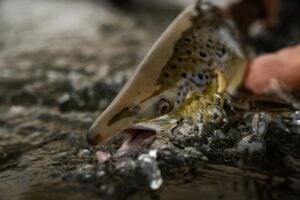
Brown trout are more localized but contribute significantly to systems such as the Cowichan. They favor deeper banks, shaded pockets, and slower water influenced by drifting food and salmon presence. As salmon arrive, browns often slide into deeper, softer holding water, where they feed more heavily through the fall.
Key Trout Fishing Areas on Vancouver Island
With more water than most anglers can cover in a lifetime, it helps to focus on regions that reflect the Island’s variety—southern rivers with mixed species, clear central freestones, overlooked northern streams, and estuary systems shaped by tides and salmon.
“Every part of the Island fishes differently. The south has the most variety and mixed species, the central rivers tend to run clearer, and the north offers some of the most overlooked trout water if you’re willing to explore.”
South Island Rivers
The south holds the Island’s most varied trout water—a mix of resident fish, migratory cutthroat, and brown trout in select systems. The Cowichan is the anchor, but several nearby rivers offer dependable options.
- Cowichan River: The Island’s flagship trout system with rainbows, cutthroat, and browns across diverse water types. On a good day, anglers can realistically encounter all three by adjusting tactics.
- Koksilah River: A smaller, clear stream with good cutthroat holding water and relatively light pressure when flows are in shape.
- Chemainus River: Highly flow-dependent but productive when levels stabilize after rain.
Salmon influence, varied flows, and mixed species make the south one of the most reliable areas for visiting anglers.
Central Island Freestones
Central Vancouver Island holds accessible, clear rivers ideally suited to walk-and-wade fishing.
- Elk River: A premier early-summer dry-fly fishery with wild rainbows (often 8–12 inches) and the odd larger cutthroat. Fed by a large lake and snowmelt, it offers stable, clear conditions and excellent sight-fishing once levels drop.
- Puntledge River: Known for resident rainbows and cutthroat when flows moderate, with classic riffle-run water.
- Englishman River: A forgiving river with trout in accessible runs and side channels, suited to anglers new to the Island.
These rivers shine from late June through July when insect activity peaks and snowmelt recedes.
North Island Rivers
The Island’s northern waters see less fishing pressure and can reward anglers willing to travel farther.
- Quatse River: Clear late-summer flows and mixed trout species near Port Hardy, with good opportunities when levels moderate after rain.
- Campbell River (upper reaches): Known for salmon and steelhead, but upper stretches hold quality trout in lower-pressure water and are worth exploring when conditions align.
Flow variability means timing is important, but stable windows can produce excellent fishing.
West Coast Rivers
The west coast lies within the Island’s rainforest belt, where higher volumes and more color create trout fisheries shaped strongly by salmon cycles.
- Stamp River: Known for steelhead but also holding trout that follow salmon activity in fall, feeding on drifting eggs and other food stirred up during spawning.
- Somass River system: Mixed resident and migratory trout, strongest from September through November as salmon moves influence trout distribution.
These waters come into their own during autumn when salmon begin to arrive.
Estuaries and Beaches
East-coast estuaries produce some of the Island’s most engaging trout fishing, particularly in spring during fry migration. Sea-run cutthroat move between rivers and salt water, tracking out-migrating salmon smolts.
Key estuary systems include:
- Oyster River Estuary
- Little Qualicum River Estuary
- Big Qualicum River Estuary
- Courtenay / Comox Estuary
- Sooke Basin: On southern Vancouver Island, offering a mix of structure and fry movement during the spring window.
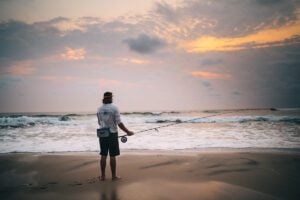
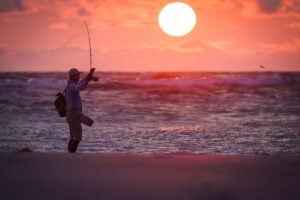
Anglers often walk shorelines adjacent to estuaries on a rising tide, looking for fry movement, bird activity, or quick surface swirls that reveal feeding cutthroat.
“In the estuaries, I watch birds as much as the water. If gulls or mergansers start working tight to shore, it usually means cutthroat are pushing fry into the shallows.”
Seasonal Patterns
Understanding seasonal shifts is central to making the most of trout fishing on Vancouver Island. Each period offers distinct opportunities across rivers, lakes, and estuaries, and Dawson’s year-round guiding revolves around reading conditions rather than chasing a single “best month.”

Spring (April–June)
As spring rolls in, air and water temperatures rise, trout feed more actively, and food sources expand. Early insect hatches begin, and salmon fry push out of the gravel, creating important feeding windows.
On rivers such as the Cowichan, spring fishing often centers on:
- Stonefly and mayfly nymphs near the bottom
- Leeches and small streamers in deeper or shaded water for larger rainbows and browns
- Short dry-fly windows during hatches and in softer light
“In spring, river color tells you almost everything. Some systems clear overnight while others take days, and that timing often decides where you’ll find the first good window.”
Sea-run cutthroat fishing in estuaries becomes a major draw. Dawson typically rigs a floating line with a long clear intermediate leader and additional tippet to keep presentations stealthy in shallow, bright water, then walks the beach on a rising tide looking for surface disturbances, bait, and birds.
Summer (Late June–Early September)
Summer marks the peak of dry-fly fishing on many freestone rivers and the beginning of the summer-run steelhead season.
On the Elk and similar central-Island freestones, the best hatches typically occur from early June into early July, with clear water, easy wet-wading, and strong sight-fishing. Light rods, simple caddis and attractor patterns, and small stonefly nymphs cover most situations.
As summer progresses, lower, warmer flows affect some rivers:
- Morning and evening dry-fly windows become more important
- Nymphing shaded runs and deeper lanes carries mid-day
- Many anglers shift to lakes or higher-elevation streams when lower rivers warm
Summer-run steelhead arrive in some systems during this period. Clear, low water demands longer leaders, quieter wading, and more refined presentations. Dawson often favors a 7-weight switch rod for 10–12-pound fish in tight quarters where back-cast room is limited.
“Warm days can bring effective dry-fly fishing on larger patterns such as Chubby Chernobyls, wake-and-skate flies, and oversized caddis. When fish aren’t feeding confidently on the surface, stonefly nymphs and worms come into play, with egg-sucking leeches and flesh patterns rounding out the streamer options.”
Important note: Many Island rivers can have mid-summer closures or time-of-day restrictions—often around mid-July to late August—when warm, low flows increase stress on fish. Checking BC regulations before planning a summer trout or steelhead trip is essential.
Fall (September–November)
Fall is one of the most productive and visually striking seasons. As days shorten and water cools, salmon move onto spawning beds, and trout shift into full opportunistic mode.
Trout often sit just downstream of redds, keying in on loose drifting eggs. Nymphing egg patterns in late summer and fall is one of the most effective ways to target larger trout. In higher or slightly colored water, Dawson typically sizes up to darker black or purple leeches and larger patterns when targeting summer-run steelhead.
Fall rains also bring higher, more colored flows, which can improve steelhead conditions. Dark, weighted flies fished on sink tips become more important as river color deepens.
Winter (December–March)
Winter brings cold, wet weather and short feeding windows, but many Island rivers remain ice-free and continue to fish. Most dedicated anglers focus primarily on winter-run steelhead, with trout as a welcome bonus.
While Vancouver Island doesn’t have dedicated steelhead lodges, many guides from established operations such as
Lower Dean River Lodge and Steelhead Valhalla Lodge spend part of the winter season guiding on the Island. Its coastal climate keeps rivers ice-free, unlike much of British Columbia’s interior, where winter fishing is limited or unavailable.
Trout fishing in winter revolves around picking windows:
- Watching for dropping, clearing flows after storms
- Fishing smaller stones, eggs, and subtle nymphs during stable cold periods
- Accepting shorter activity periods and slower takes
Dawson often scales down patterns and tippet when targeting trout specifically, noting that winter fish tend to favor smaller, easier meals. Many anglers blend winter trout and steelhead on the same rivers, adjusting tactics and depth as conditions change.
Approaches and Techniques
Approaches that work for trout fishing on Vancouver Island are straightforward, but they need to be matched to water type and season rather than a fixed formula. Dawson’s guiding approach centers on changing depth, speed, and pattern size as flows and clarity shift.
- Nymphing: A reliable method on many rivers, especially the Cowichan. Stoneflies, mayflies, and egg patterns fished under indicators or on tight-line setups cover most current seams and depth transitions.
- Dry flies: Most dependable in early summer on freestones like the Elk, with Elk Hair Caddis, smaller attractors, and simple imitative patterns fished on longer leaders and lighter tippet.
- Streamers and leeches: Effective around structure, deeper holding water, and during salmon periods when trout respond to larger meals. Browns in particular tend to favor these patterns in deeper, slower lanes.
- Fry and smolt patterns: Essential in estuaries and lower rivers during fry-out, when sea-run cutthroat and trout track out-migrating salmon smolts.
- Stillwater tactics: Chironomids under indicators, slow retrieves with leeches or small nymphs, and simple attractor patterns fished around drop-offs and weed edges cover most lake scenarios.

Recommended Gear
You do not need a full rod rack to fish the Island effectively. A streamlined kit, chosen with water types and wind in mind, will cover most scenarios.
- 4–5 weight rod: The core trout rod for rivers and many lakes.
- 3–4 weight rod: Ideal for smaller freestones and more technical dry-fly fishing.
- 6 weight rod: Useful in estuaries where wind and longer casts are common.
- 7–8 weight rod: Appropriate for steelhead overlaps and heavier winter setups.
Lines and leaders:
- Weight-forward floating line as the default choice on rivers and lakes.
- Sink tips or interchangeable heads for deeper runs and winter flows.
- Clear intermediate heads or long clear leaders for estuary fishing in shallow, bright conditions.
- Leaders in the 9–12-foot range, adjusted for clarity and species, with lighter tippet for trout and stronger for steelhead.
Dawson’s guiding focus is less about specific brands or fly names and more about carrying a compact box of seasonal staples—stoneflies, mayflies, caddis, eggs, fry, and a few leeches—and matching them to current conditions.
Access, Guides, and Licences
One of Vancouver Island’s strengths is how straightforward it is for visiting anglers. Productive water is accessible, and licensing is simple.
Access: Many rivers and lakes can be reached with a standard 2WD vehicle via paved or gravel roads. Most of the better-known stretches have well-worn “fisherman trails” where anglers have walked riverbanks for years. A 4WD vehicle opens up more remote forest roads and less-pressured water but is not essential for a successful trip.
Wading vs. floating: Dawson has spent most of his life walking and wading the rivers he fishes. Rafts and drift boats allow longer floats and access to a few more systems, particularly on larger rivers like the Cowichan, but most visitors can build an excellent trip around walk-and-wade access.
Guides
Vancouver Island is one of the few places where hiring a guide is not strictly necessary if you’re willing to research, explore, and invest time on the water. The mix of accessible rivers and lakes makes it possible to plan a do-it-yourself trip.
That said:
- When to hire: If you are on a tight schedule or prefer a shorter learning curve, local guides can quickly match conditions to productive water and help interpret flows, color, and seasonal timing.
- Costs: Full-day freshwater fly-fishing trips typically range from more modest walk-and-wade rates through mid-range float trips to higher-priced jet-boat or heli-access days. Prices vary with method and remoteness rather than a fixed standard.
“Given the technical nature of these fisheries and the tight-lipped locals who like to keep their favorite steelhead spot a secret, heading out with an experienced Island guide is always a smart move.”
Licences
As with most of Canada, fishing is regulated, and licences are required for both salt and fresh water. Fortunately, both are easily obtained online in a few minutes.
- Freshwater Licence (Provincial): Required for rivers and lakes. Available as 1-day, 8-day, or annual licences through the BC Recreational Freshwater Fishing Licence portal. Apply for a BC Freshwater Fishing Licence
- Tidal Waters Licence (Federal): Required for estuaries and coastal waters. Offered as 1-day, 3-day, 5-day, or annual licences through Fisheries and Oceans Canada. Apply for a Tidal (Saltwater) Fishing Licence
- Tags: If you intend to retain salmon, you’ll need the appropriate salmon retention privileges on your tidal or freshwater licence. Targeting steelhead requires a steelhead surcharge on your freshwater licence. Most trout-focused visitors fish catch-and-release and do not need additional tags.
Note for visitors: In other parts of BC, some rivers are designated “classified waters” with limited angling days and additional surcharges. Vancouver Island has fewer of these restrictions, but if you venture to other regions, reading local regulations for your intended water is essential.
Regulations
Regulations update annually and include seasonal closures, gear restrictions, and catch-and-release rules. Some rivers close during warm, low-flow summer periods to protect fish. Provincial freshwater rules are available in the “BC Freshwater Fishing Regulations Synopsis,” and tidal waters follow separate federal regulations. Checking these before each trip is part of responsible planning.
Planning a Trip
Successful trout fishing on Vancouver Island depends on keeping plans adaptable. Rather than locking into a single river or date, Dawson suggests choosing one or two base areas and keeping alternate rivers, lakes, or estuaries in mind so you can adapt to changing flows and weather.

“Conditions can shift fast on the Island. A river that’s blown out in the morning might be perfect the next afternoon, so having a flexible plan matters more than chasing one ‘secret spot’.”
Key considerations:
- Season: Align plans with your interests—spring fry-out and estuaries, summer dry-fly freestones, fall salmon-influenced trout and summer-run steelhead, or winter trout/steelhead mixes.
- Water types: Mixing rivers, lakes, and estuaries widens options if flows spike, rivers warm, or weather shifts suddenly.
- Regulations: Monitor closures, special rules, and seasonal changes before each trip.
- Local knowledge: Even a single guided day can clarify how specific systems respond to storms, snowmelt, and tides, making the rest of your trip more efficient.
Trout fishing on Vancouver Island remains as consistent as it is varied. Healthy trout populations, diverse systems, and a lack of a true offseason mean anglers can find realistic opportunities throughout the year. Techniques shift, conditions change, but the opportunities rarely slow down.
“There is truly never a bad time to plan a fishing trip to Vancouver Island.”
Words on the Guest Contributor
Dawson Jordan is a Vancouver Island–based fly-fishing guide who grew up exploring the Island’s rivers, lakes, and estuaries. He spends most of the year on the water, guiding anglers for trout, sea-run cutthroat, and steelhead while tracking how each system responds to seasonal changes in flow, weather, and salmon returns.