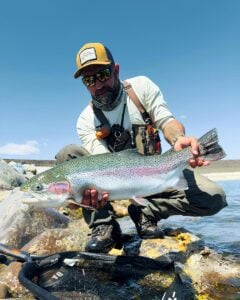
Picking the right Patagonia fly fishing lodge is more involved than it first appears. The difference between programs comes down to how each week is built, how water is accessed, and what private water actually means here. Understanding those three things is where your research starts.
When comparing Patagonia fly fishing lodges, it’s easy to focus first on the visible details — river names, lodge photographs, or accommodation quality. Those things matter, but they do not tell you what the fishing week actually looks like once you are on the water. To match a lodge with the kind of experience you are looking for, you first need to understand the different lodge stay models Patagonia offers.
Patagonia Lodge Programs
Different Operating Models
Lodge programs in Patagonia Argentina are not all operated the same way — and the structure of the week shapes the experience as much as the rivers and lakes themselves. There are four broad operating models, each built around a different approach to access, mobility, and fishing rhythm.
Single-River Lodge & Lake Programs
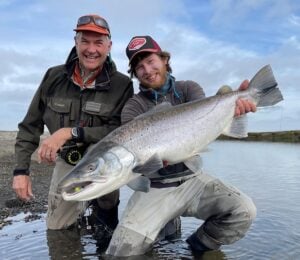
A number of fishing programs are built entirely around one river system or one body of water — and that focus is the point. Sea-run brown trout lodges operate this way: the lodge sits on or near the river, beats are rotated morning and evening, and the week is a sustained focus on one pursuit on one piece of water.
Stillwater programs can follow the same logic — one lake, one technique, guides moving anglers between sections of shoreline across the week. These are specialist programs for anglers who have chosen a specific fishery and want depth rather than variety.

Fixed-Base Stays with Multiple Waters
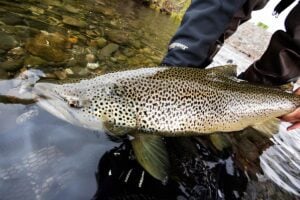
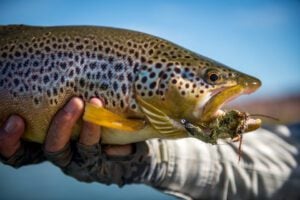
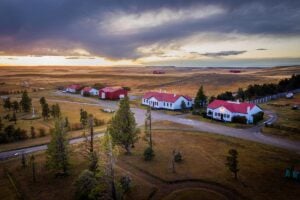
The fixed-base program is the most common model in northern and central Patagonia. One lodge or estancia serves as the base for the full week, and guides drive to different rivers, spring creeks, and lake systems each day — returning to the same lodge each evening. Guests build familiarity with the lodge, guides, and daily routine, and the place of stay is often a significant part of the experience. The quality of these programs depends on the real range of productive water within daily driving reach — and on how well guides know when each option fishes best.
Multi-Location Programs
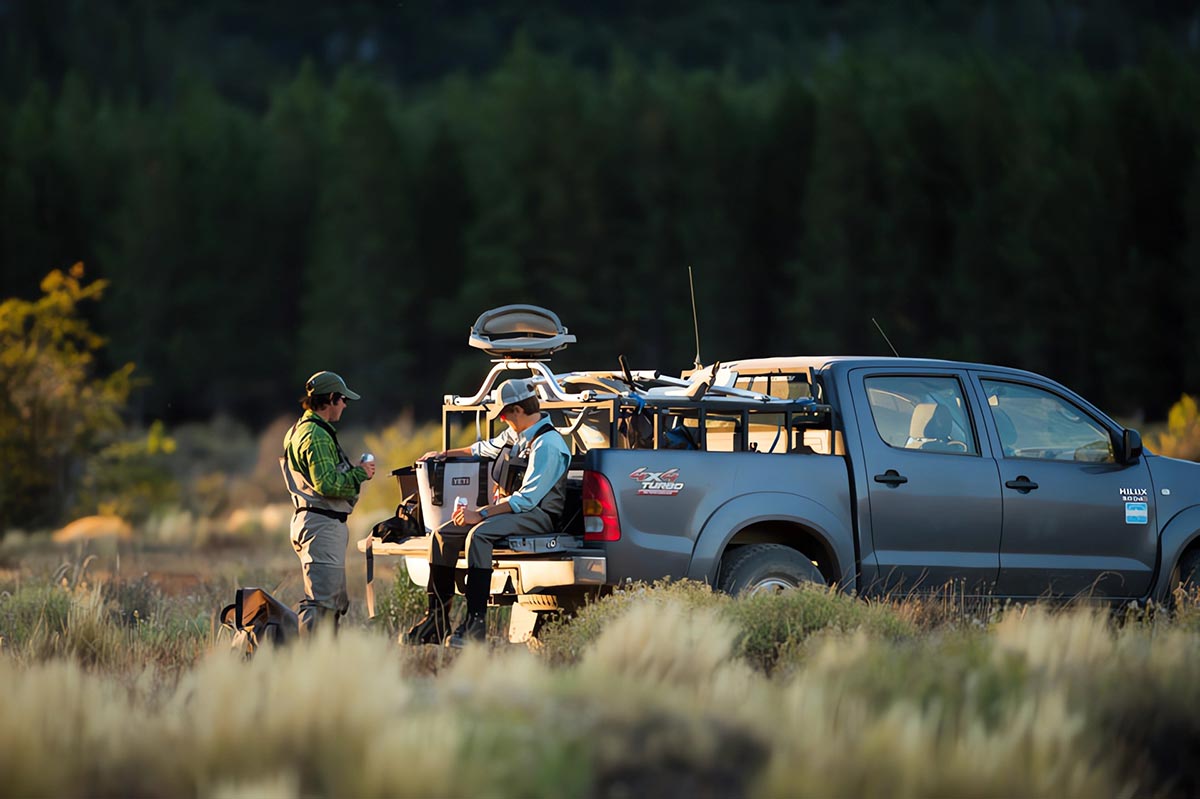
A smaller number of operators structure weeks across two or more properties — spending two to four nights at one lodge or estancia, then transferring to another watershed entirely with access to different rivers and creeks. Each transfer brings genuinely new water, and the range covered in a single week can be extraordinary. The fishing variety and experience of moving between multiple estancias is the real draw. Well-designed itineraries can often be customized in advance to match specific rivers, timing, or guest preferences. The trade-off is logistical: packing and moving mid-week suits some anglers and not others.

Expedition and River Camps
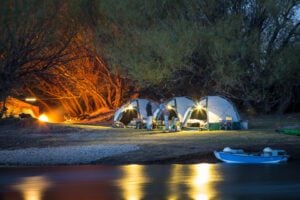
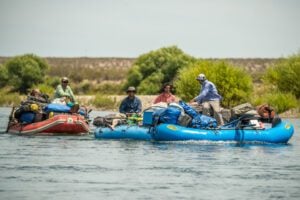
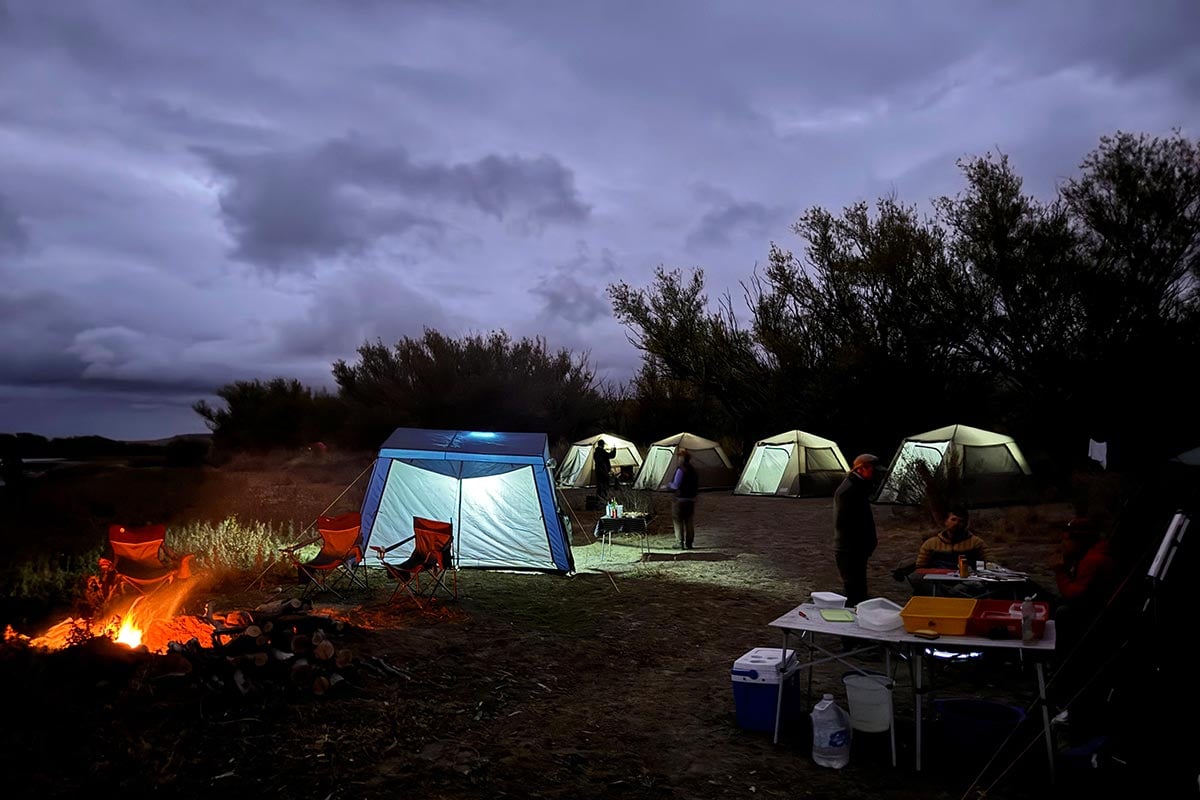
Some of Patagonia’s most specialist operators and outfitters run multi-day float programs where accommodation moves with the program — rafting between campsites on remote river sections that few fixed-base lodge operations can reach. These offer functional camp infrastructure rather than estancia comfort, and days built entirely around the river rather than a lodge routine. For anglers who want genuine wilderness immersion and access to water that sees almost no other rods, they represent something few fixed-base programs can replicate.
The right model depends less on which rivers are nearby and more on what kind of week you actually want. Someone visiting Patagonia for the first time is usually better served by a program with genuine range, where a difficult day on one river doesn’t define the week.
The different regions, fisheries and styles of trout fishing available across Patagonia Argentina — and how to choose between them — are covered in our Patagonia trout fishing guide. For a full breakdown of seasonal timing and conditions, see our guide to when to fly fish in Patagonia Argentina.
Water Access Options in Patagonia
Choosing Your Style of Fishing
Closely linked to the operation model which a lodge offers, is how guests access the water during their weeks stay. This shapes the physical character of the week as much as anything else — and it is worth understanding before you book.
Drift Boat Programs
The big freestone rivers of northern Patagonia — the Chimehuín, Collón Curá, Aluminé, Limay — are primarily fished from drift boats, though some operators use inflatable rafts on certain stretches. These low-sided fiberglass boats with swivel seats are comfortable, stable fishing platforms that can cover miles of productive water across a long session.
The physical demand is modest — you are seated for most of the day, casting from a fixed position, with wading limited to short stretches where guides pull over to fish a run on foot. For anglers with knee or hip limitations, or those who simply want to cover water efficiently without significant physical exertion, a drift boat program can be the right match.

Walk-and-Wade Programs
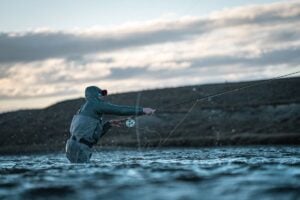
Walk-and-wade fishing is a different proposition. Technical spring creeks are often gentle underfoot — even gravel beds, easy wading — and suit most fitness levels. The harder freestone systems involve hours on foot over boulder-strewn river edges, scrambling between pools, and crossing strong currents. These programs demand a genuine level of fitness, sure-footedness and river wading experience.
The reward for wading a river is a more intimate kind of fishing — stalking visible fish, presenting to a specific lie, reading water at close range — and for the right angler that trade-off is exactly the point.

Multi-Day Float Expeditions
Multi-day float expeditions in central Patagonia sit between the two — camping moves with the program, days are built around river sections rather than a fixed lodge, and the combination of boat time and wade fishing gives a physically varied week. These suit anglers who want genuine wilderness immersion alongside the fishing rather than estancia comfort at day’s end.

Stillwater and Bank Fishing
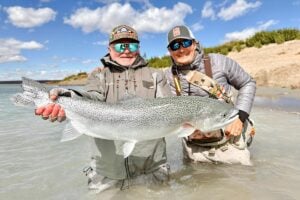
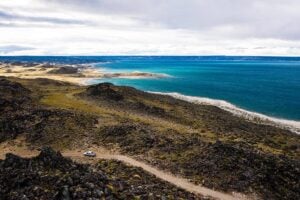
Bank fishing or shallow wading on exposed plateau stillwater, often for trophy rainbow programs on large lakes, demands something different again. You’re not necessarily covering large distances on foot, but rather sustained casting into persistent wind for hours at a time from open shoreline. It is less about fitness and more about casting stamina — and for anglers who relish the challenge of working hard for individual fish of exceptional size, there is nothing else quite like it.
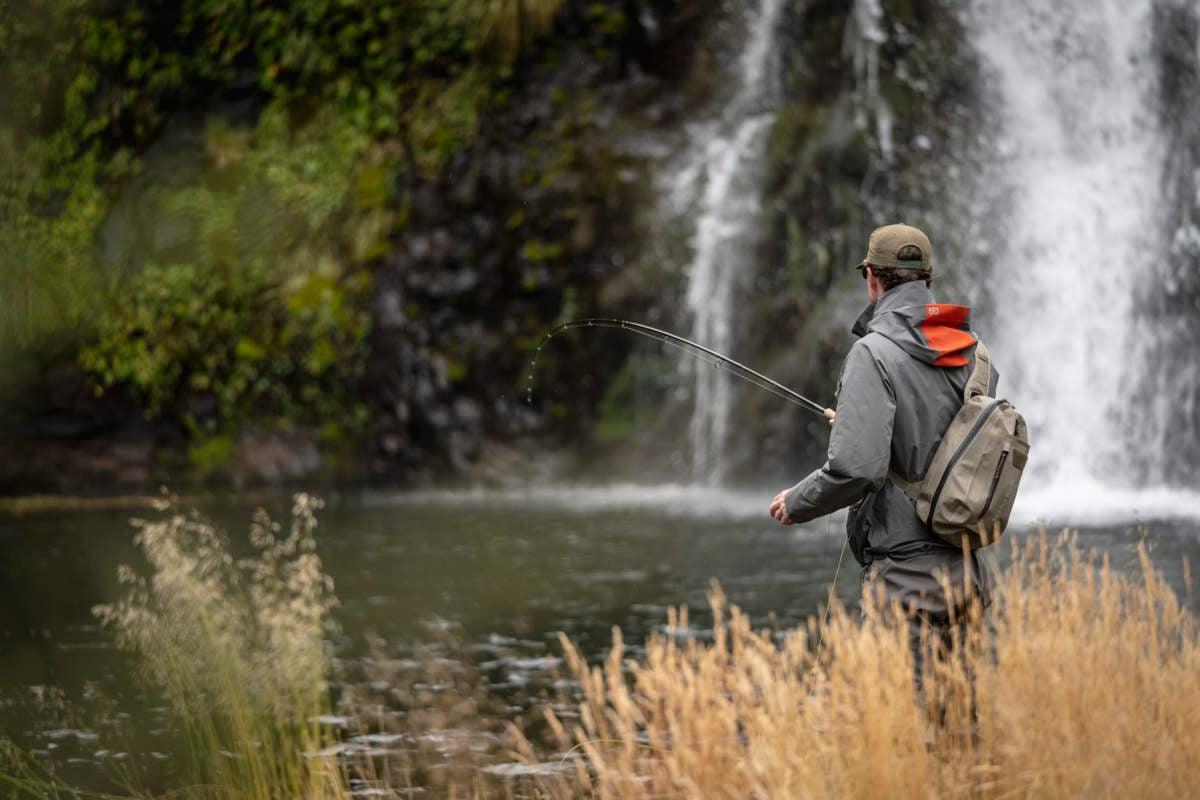
Water access type is a variable that rarely gets the attention it deserves when comparing lodge programs. Whether a program is built around floating, wading, or a combination of both is as important a question as which rivers or lakes it fishes.
Understanding what each fishery actually delivers on the water is the next question — and one our guide to Patagonia trout fishing covers in full.
Private Water and Remote Rivers in Patagonia
Access to Productive Water
A further consideration that visiting anglers can overlook is whether a fishing program provides access to genuinely productive water. The best fishing in Patagonia Argentina often comes down to one thing: low rod pressure. That either means fishing water that is physically inaccessible without estancia land access, or water so remote that independent anglers rarely reach it in the first place.
How a lodge program has access to that water, and how many other rods share it, is what separates a good program from a genuinely excellent one.
What Private Water in Patagonia Actually Means
“Private water” in Patagonia is something of a misnomer — under Argentine law, rivers are public and an independent angler can legally fish from public access points even where they flow through estancia land. What the term private water actually describes is private land access: the estancia itself, which opens up beats that are physically miles from any public entry point, and spring creeks that flow entirely within estancia boundaries with no public access at all. Without estancia access, that water is out of reach in practice, even if not in law.
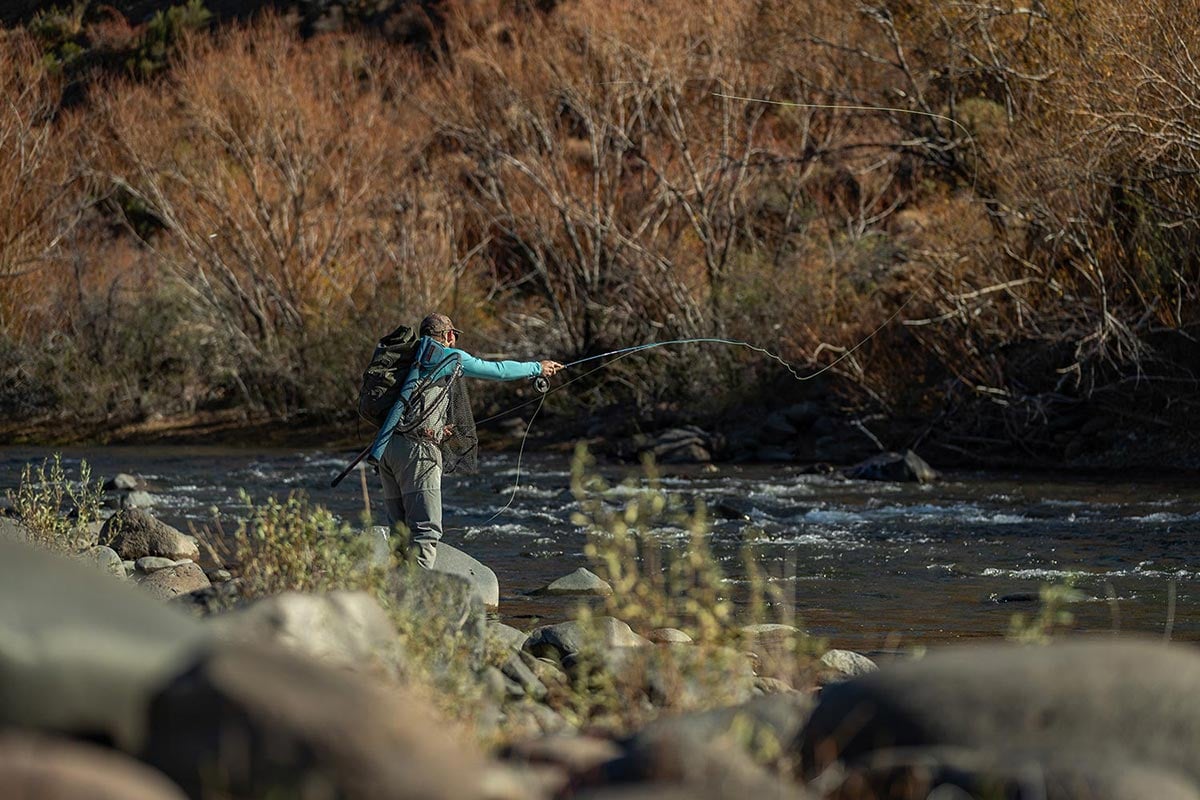
The other half of the equation is rod limitation. The best estancia programs control precisely how many anglers can directly access their water across a season — keeping pressure to a handful of visiting rods on the most productive beats. That combination of practical inaccessibility and deliberately low rod numbers is what “private water” actually means in Patagonia — and it is what the depth of the operator’s estancia network ultimately determines.
Northern Patagonia: Estancia Relationships and Private Beats
Northern Patagonia is the most visited fly fishing region in Argentina, and the pressure on the well-known public sections of its classic rivers reflects that. The Malleo, Chimehuín, and Quilquihue all have public beats accessible to any angler — and during peak season those sections are shared with everyone else on the river.
For those looking for genuinely productive water in northern Patagonia, the best fishing runs predominantly through private estancia land — multi-thousand acre ranches that control access to the river banks and surrounding terrain. These private spring creeks, estancia drift sections, and beats see only a handful of rods all season, and can only be reached via the road access, gate keys, and estancia relationships that established lodge programs and outfitters have built-up over years.
A program’s estancia network determines what is actually fished in a given week — and the depth of that network — how many relationships have been maintained over years, which spring creeks are exclusive, whether private drift sections are available — is what separates a strong program from a generic one that happens to use the same river names in its marketing.
Central Patagonia: Remote Rivers and Private Leased Water
Central Patagonia differs from the north in one significant way: low fishing pressure is the baseline across the whole region, not just the reward for fishing private water. The deeper you go — the Río Pico area in particular — the more remote the water becomes, and the fewer visiting anglers it sees.
What lodge programs provide is the logistical infrastructure to get there: road transfers, charter flights, and float operations that make genuinely inaccessible water fishable. On top of that, the Río Pico area has significant private estancia water — spring creeks and productive river sections leased by local lodges — and the estancia relationships that underpin the best programs here matter in the same way they do in the north.
The honest value of a well-run central Patagonia program is both: access to remote water that sees very few rods, and access to private beats that see even fewer.
Southern Patagonia: Private River Beats for Sea-Run Browns
The sea-run brown trout rivers of southern Patagonia introduce a different access model from the trout programs to the north.
Río Grande, Tierra del Fuego
On the Río Grande in Tierra del Fuego, the provincial government has issued a fixed number of fishing licenses to lodge operators, granting them exclusive legal rights to defined stretches of river. This is a fundamentally different access model from anywhere else in Patagonia Argentina. No new licenses are being issued, permanently limiting the number of operations on the river.
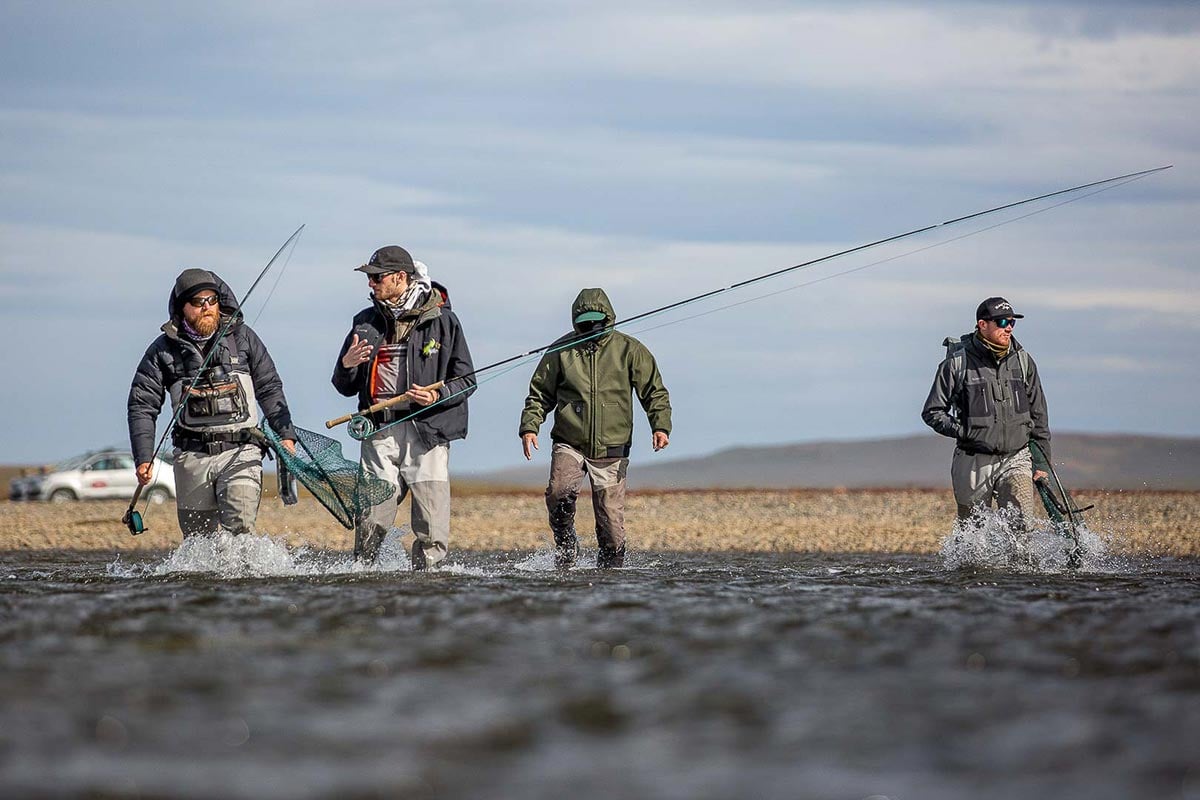
Guests rotate through allocated beats morning and evening under a dedicated guide — a structured rhythm closer to Atlantic salmon fishing than a northern Patagonia trout week. Catch-and-release protocols have been in place since 1986, and the recovery in fish weights and numbers across the following decade is widely attributed to those regulations. The legal beat control on the Río Grande is not a marketing point — it is the reason the river still produces sea-run browns of genuine caliber. For a full explanation of how the Río Grande beat system works and what each month of the season delivers, see our guide to sea-run brown trout fishing in Argentina.
Río Gallegos, Santa Cruz
The Río Gallegos in Santa Cruz operates differently. The river flows through private estancia land with public access points near the town — independent anglers do fish it. The best beats sit within large private estancias, accessed through lodge programs in the same practical way as northern Patagonia trout water. The estancia model provides the access depth; the licensing exclusivity of the Río Grande does not apply here.
Understanding how different Patagonia lodge programs operate, how water is accessed and how many rods you are likely to see are the three questions worth asking before comparing specific programs. The lodge marketing for many Patagonia fly fishing trips looks broadly similar. What differs considerably is what sits underneath, and what kind of fishing week you are actually buying.
To compare a selection of different lodge programs across all parts of Patagonia, our Patagonia Argentina fishing lodges guide is there to help. For the practical side of planning a Patagonia fishing trip — gear, climate information, booking lead times, and cost — see our guide to planning a Patagonia fly fishing trip.