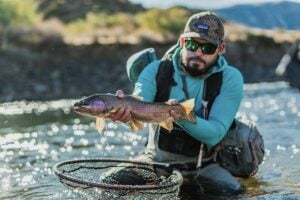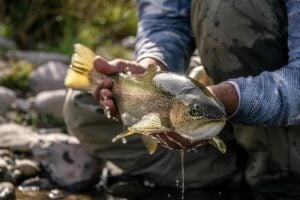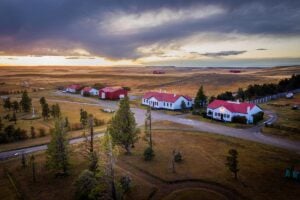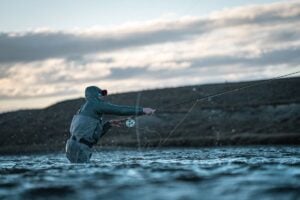
Few countries can offer entirely different fly fishing experiences within a single itinerary. Argentina can — explosive warm-water dorado in the subtropical north, wild trout on glacial rivers in Patagonia, and large migratory sea-run browns on the windswept steppe of Tierra del Fuego. The challenge is knowing when each fishery is at its best.
Understanding Argentina’s Fishing Season
Fly fishing in Argentina covers more geographic and climatic ground than almost any other singular destination — and that range comes with a cost, both financially and in travel time. Before committing to dates and a region, it’s worth understanding what each fishery actually offers and how the seasons define what you’ll find when you get there.
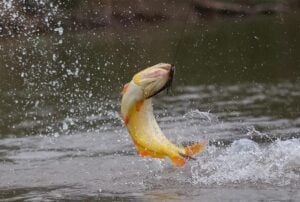
In the north, the Paraná and its tributaries wind through vast open wetlands and savanna grassland — warm, slow-moving water that holds golden dorado through a season running September to April. Move south into Patagonia and the landscape shifts entirely: cold rivers fed by Andean snowmelt cut through valleys of lenga beech forest, with a trout season running November through April.
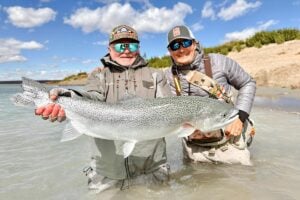
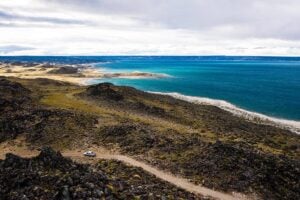
Further south still, on the windswept plains of Tierra del Fuego, the Río Grande meanders across a treeless landscape on its way to the South Atlantic. Here, the sea trout season is short and tightly managed, running from January through April as large migratory browns push in from the ocean.
That geography makes something genuinely rare possible: cold-water dry fly fishing in mountain rivers, explosive warm-water dorado on the fly, and some of the world’s most specialized sea-run and stillwater fishing — all within one country and potentially within a single itinerary. Understanding which months suit each fishery, and when the combinations work, is what this guide is built around.
Argentina Fishing Seasons at a Glance
Below is a general idea of Argentina’s fishing calendar across the country’s major fisheries.
- Northern Argentina | Golden Dorado
(September – April, with year-round possibilities)
The productive lodge season, with October and March consistently the strongest months. Mid-summer compresses the fishing day due to midday heat; spring and autumn allow for more consistent sessions across the full day. - Central-Northern Patagonia | Trout
(November – April)
A defined season shaped by snowmelt-driven flows and a steady progression through spring to autumn. Most programs wind down through April as brown trout begin spawning, and most regulated rivers are closed by May through winter. - Southern Patagonia, Lago Strobel | Rainbow Trout
(September – May)
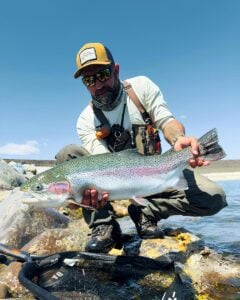
Lago Strobel — known internationally as Jurassic Lake — operates on a separate lake fishery calendar to the river systems, providing a longer season for some of the largest wild rainbows in the world. - Southern Tip, Tierra del Fuego | Sea-Run Brown Trout
(January – April)
A short, tightly managed season on the Río Grande. January brings the freshest migratory fish, February typically sees the highest numbers, while March often produces the most consistent fishing conditions. - Best Multi-Species Overlap | Trout & Dorado
(March – April)
The strongest period for combining trout and dorado fishing in a single itinerary — late-season trout fishing in the south, with cooler temperatures and longer dorado fishing days returning in the north.
If you want to understand how these seasons translate into actual fishing weeks and lodge programs, see our Argentina fishing lodges guide.

Best Time to Fish in Argentina by Month
September to November (Spring & Early Season)
Golden Dorado: Season Opens
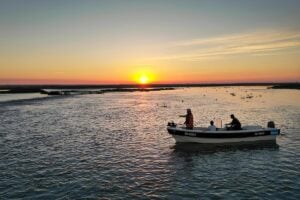
September marks the opening of the golden dorado season across northern Argentina, as water temperatures begin to rise and fish come out of their slower winter metabolism. Through September, activity builds steadily as conditions warm. By October the sábalo — the schooling baitfish that dorado depend on — are moving upriver in earnest through the Paraná system in their annual spawning migration, drawing dorado into aggressive feeding patterns.
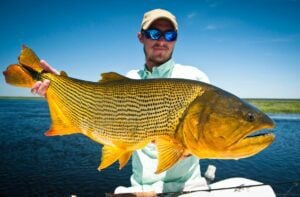
October is consistently rated by lodge operators across Corrientes as one of the two strongest months of the year: pre-spawn fish are at peak weight and feeding hard. Northern Argentina also holds other warmwater species alongside dorado — pacú, pirá pitá, and large catfish like the surubí — but lodge programs are built primarily around golden dorado.
For a full breakdown of the northern Argentina dorado fisheries and what to expect from a week on the water, see our guide to golden dorado fishing in Argentina.
Trout: Early Season
Patagonia’s trout season opens in November across most of the region, with some northern systems in Neuquén accessible from late October. Lago Strobel — known as Jurassic Lake — is the exception: as a high-altitude lake fishery rather than a river system, it operates on a separate calendar running September through May, outside the standard Patagonia river season.
Early season on the rivers is variable — snowmelt through the Andes influences river levels and clarity in ways that differ year to year and between systems. Fish are coming out of winter hungry and aggressive, which can make spring genuinely rewarding, but flexibility between water types is more important in this period than at any other point in the season.
For a full month-by-month breakdown of how the Patagonia season unfolds — from early-season rivers like the Malleo and Traful through to late-season streamer fishing on the Limay and Collón Curá — see our fly fishing in Patagonia Argentina seasonal guide.
December to February (Peak Summer)
Trout: Peak Summer Season
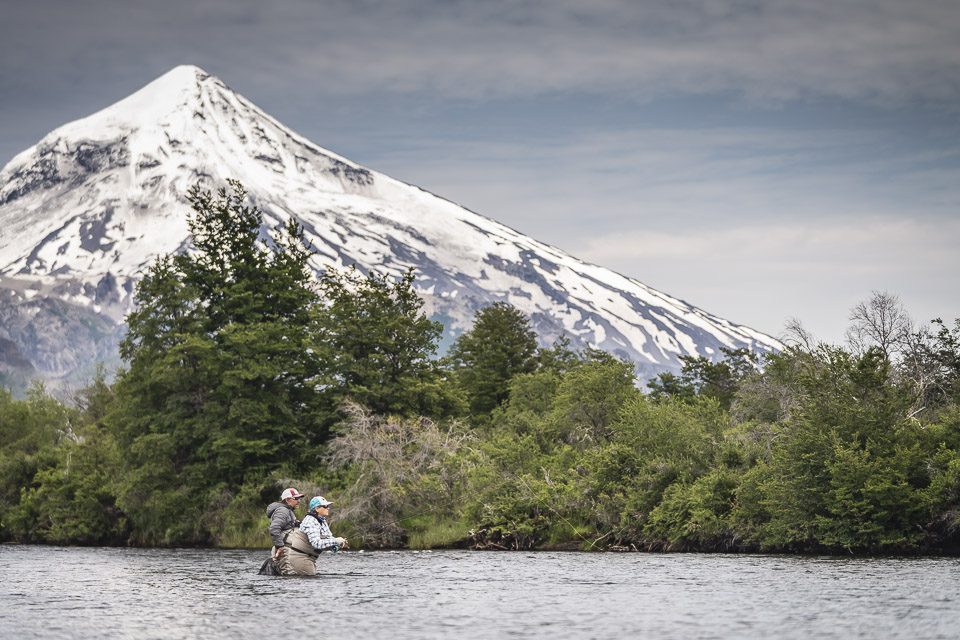
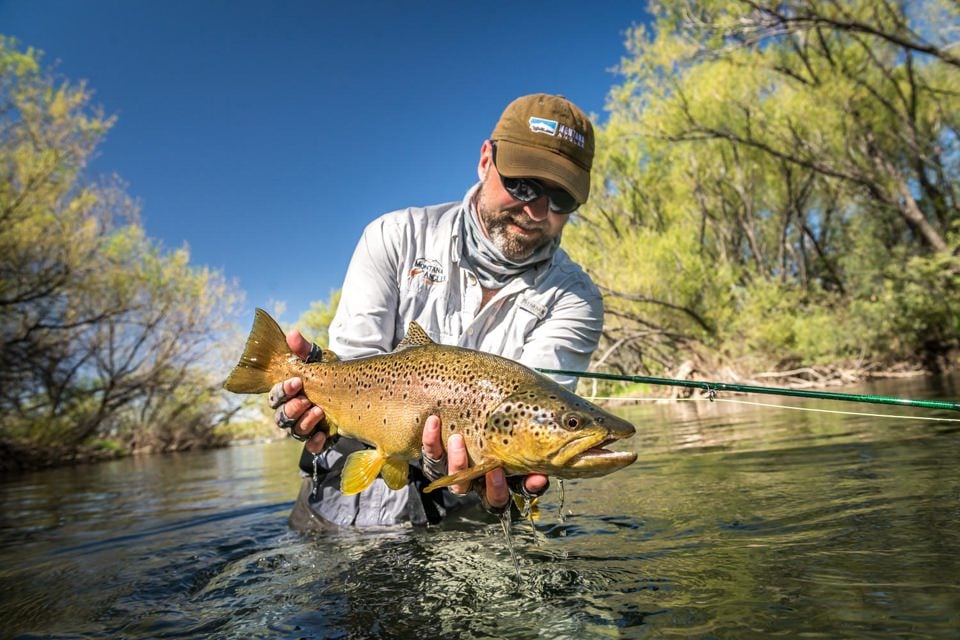
December through February is the most stable period for fly fishing in Argentina’s Patagonia trout country. Snowmelt flows have largely passed, river systems have settled into summer levels, and access is broad — drift boats cover the larger freestone rivers efficiently, while spring creeks and smaller tributaries fish well on foot.
The fishing changes significantly within this window. Late December through mid-January is when the dragonfly hatch is at its peak across Patagonia’s lakes and spring creeks — one of the most spectacular dry fly events in the world, with large trout launching clear of the water to take surface imitations.
By late January the hatch winds down and terrestrial fishing takes over: beetles, hoppers, and ants on the freestone rivers and spring creeks through February. Both periods are exceptional — the choice is between explosive dragonfly surface action or more measured but equally productive terrestrial and hatch fishing.
Golden Dorado: Mid-Season, Warmest Period
In northern Argentina, December through February sits within the core dorado season but is also the hottest part of the year. Productive fishing compresses into early morning and late afternoon windows — guides head out before the heat builds and return to the water as temperatures drop toward evening, with the midday hours largely unproductive for dorado.
How a program structures those midday hours — whether guides use them to reposition, rest the water, or reach better conditions elsewhere — is one of the most important questions to ask before booking a summer dorado trip.
Sea-Run Brown Trout: Season Opens
The Río Grande in Tierra del Fuego opens in January. The first weeks produce the freshest, most aggressive sea-run fish of the season — chrome bright and straight from the South Atlantic, present in lower numbers than February but highly willing to move to a fly.
Availability on the Río Grande is determined by securing a specific week, not by adjusting travel dates around conditions; the best beats book well in advance through a first-right-of-refusal system that favors returning guests.
For everything you need to know about fishing the Río Grande, including how the beat system works — see our guide to sea-run brown trout fishing in Argentina.
March to April (Late Season & Transition)
March and April are the strongest window for combining both fisheries in a single trip — the point within a broader overlap running from November through April when Patagonia trout and northern dorado are both simultaneously fishing well.
Trout: Late Season
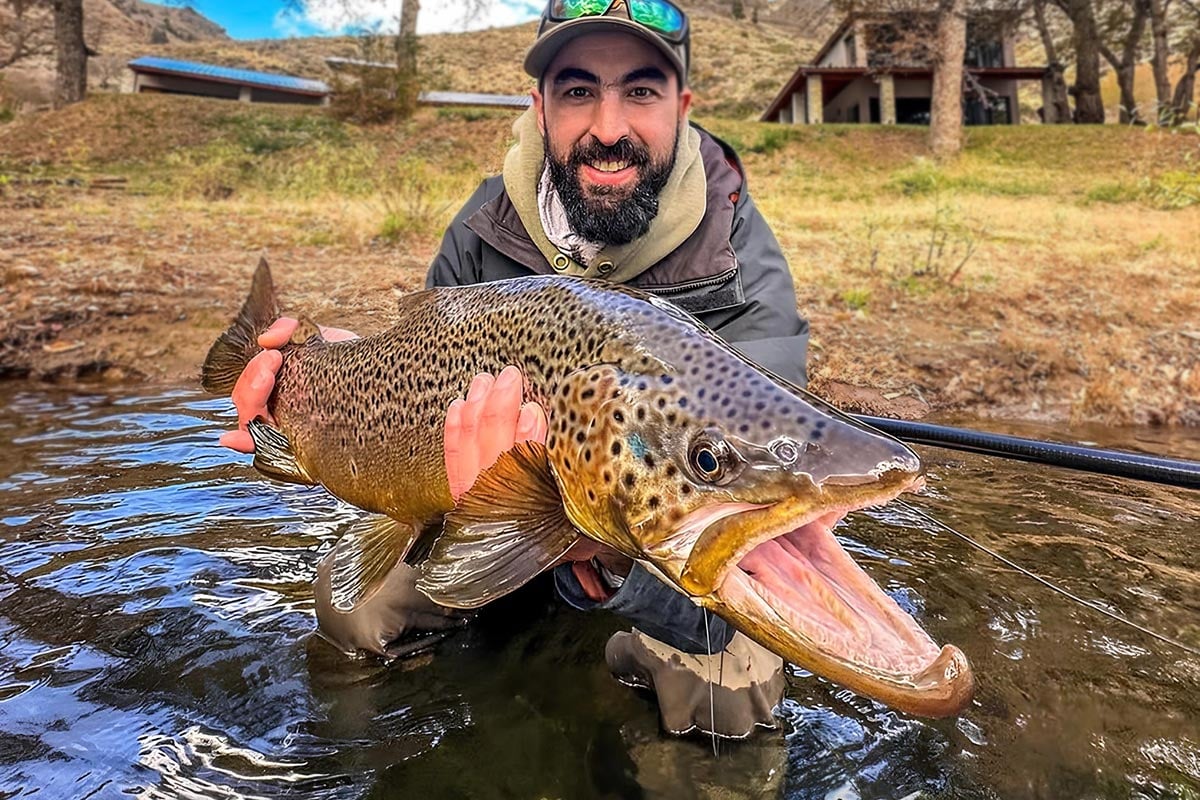
In Patagonia, water levels are stable, rivers run clear, and cooling temperatures drive larger brown trout into more aggressive feeding ahead of their autumn spawning migration. In rivers connected to lakes — the Limay, Collón Curá — this late-season movement often brings the biggest fish of the year into accessible water.
Many experienced anglers consider the quieter months of March and April their preferred time in Patagonia precisely because the fish they encounter are larger and more concentrated than in mid-summer.
For a deeper look at the different fisheries within Patagonia and how late season plays out across individual rivers and lake systems, see our Patagonia trout fishing guide.
Golden Dorado: Prime Fishing
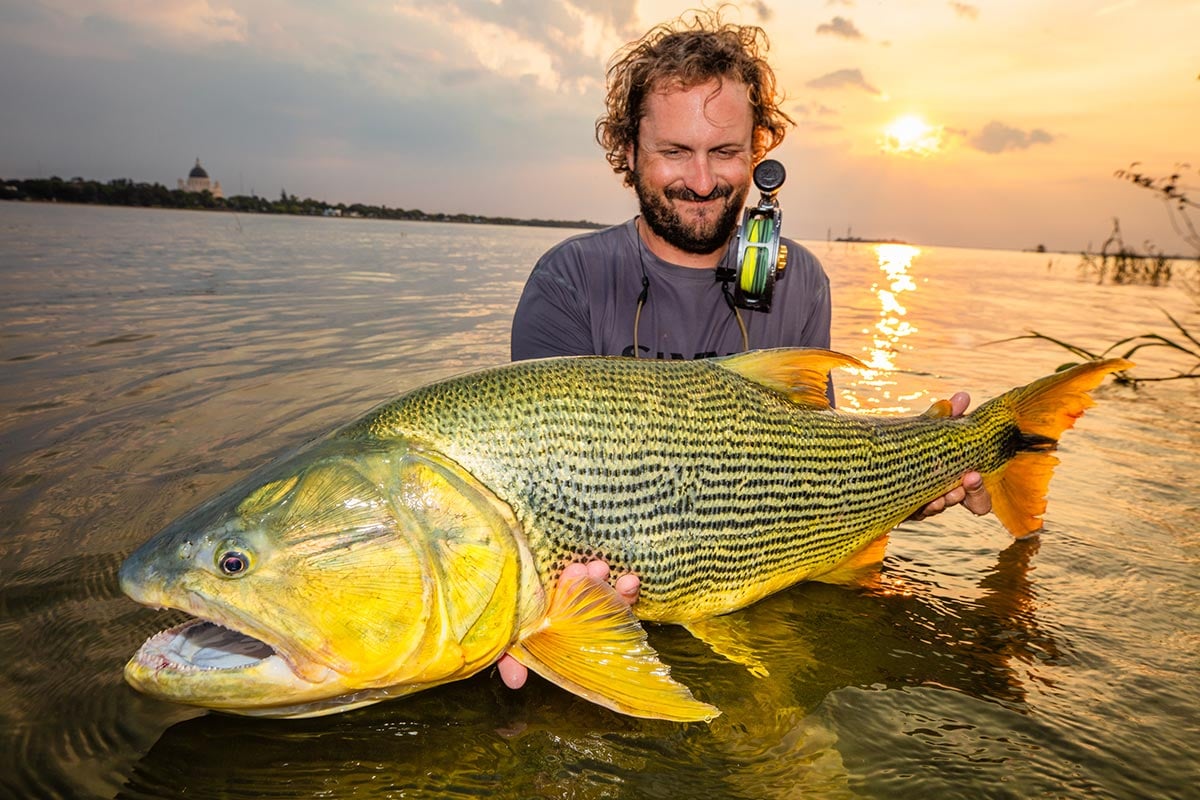
In northern Argentina, March is the second standout month of the dorado year. Fish that spawned in October and November have had months to rebuild condition and are feeding aggressively, the sábalo are still moving through the system, and the heat that compresses summer fishing days has eased — sessions spread more evenly across the full day without the midday shutdown that defines December and January.
Multi-Species Window
What makes this window distinctive is the genuine choice it creates. An angler with two weeks in March can fish a Patagonia trout week and a dorado week back-to-back without either fishery being out of season or past its best. On the Río Grande, March also delivers the most consistent sea-run catch rates of the season as fish distribute through the system and dropping temperatures concentrate them in established lies — making it the one month when all fisheries are fishing well simultaneously.
May to August (Winter & Off-Season)
Trout: Off-Season
May to August is the off-season for trout fishing across Patagonia. Water temperatures drop, daylight shortens, and most lodge programs close — partly due to winter conditions and access, partly because regulated fisheries close around the brown trout spawning period. On many Patagonia systems spawning begins in April and runs through June, which is why lodge programs wind down through April rather than on a fixed date, and why most regulated rivers are formally closed by May.
Golden Dorado: Lodge Season Closes
In northern Argentina, the main lodge programs on the Paraná system wind down by April or May as water temperatures cool and fish become progressively less active. June through August is genuinely poor fishing at most systems — water temperatures drop below the range dorado need to feed consistently, and the standard lodge season does not extend into this period.
Some specialized operations run a separate winter program targeting the sábalo migration from June onward, but these are outside the norm. If you’re planning a trip between May and August, Argentina’s viable options narrow significantly and shift entirely north.
Choosing the Right Time to Fish in Argentina
Argentina’s fishing calendar is fixed. What changes — depending on when you go and where — is the fish, the conditions, and the kind of week those conditions produce.
For a first trip to Patagonia, January and February are the most popular months — and for good reason. From late December to mid-January the dragonfly hatch is in full swing on the lakes and spring creeks, producing some of the most spectacular dry fly fishing in the world: large trout launching clear of the water to take dragonfly imitations on the surface. The hatch peaks through the first two weeks of January before giving way to terrestrial fishing — beetles, hoppers, and ants — offering continual excellent fry fly fishing conditions through February. It is the most visually dramatic period of the Patagonia season and a genuine highlight for any first-time visitor.
Late season is a different proposition. March and April in Patagonia draw experienced anglers back year after year precisely because the fishing asks more of you — and delivers more in return. Flows are lower, fish are larger, and the best browns of the season move into accessible water ahead of spawning. It is not the easiest time to fish, but it is often the most memorable.
For dorado, the choice between October and March is really a choice between two different moods. October is aggressive and predatory — pre-spawn fish at their heaviest, locked onto the sábalo migration, feeding hard. March is equally rewarding but in a different way — post-spawn fish in prime fighting condition, the heat eased, and longer sessions across the full day.
March is the most versatile month in Argentina’s fishing calendar — the one point in the year when Patagonia trout, northern dorado, and the Río Grande sea-run are all simultaneously in a strong phase. Three fisheries, one window. It is as close as Argentina gets to a perfect month.
For a full comparison of lodge programs across all three fisheries, see our Argentina fishing lodges guide.