Fly fishing Patagonia Chile isn’t something you squeeze between obligations. It’s not a weekend. It’s not casual. It demands time, distance, and presence. You cross hemispheres. You disconnect.
And when you finally arrive—after the last flight, the final gravel road, the familiar handshake from a stranger who knows the rivers better than most people know their own backyard—you’ll understand why this place can humble even the most experienced fishermen.
A Country of Water & Wild Trout
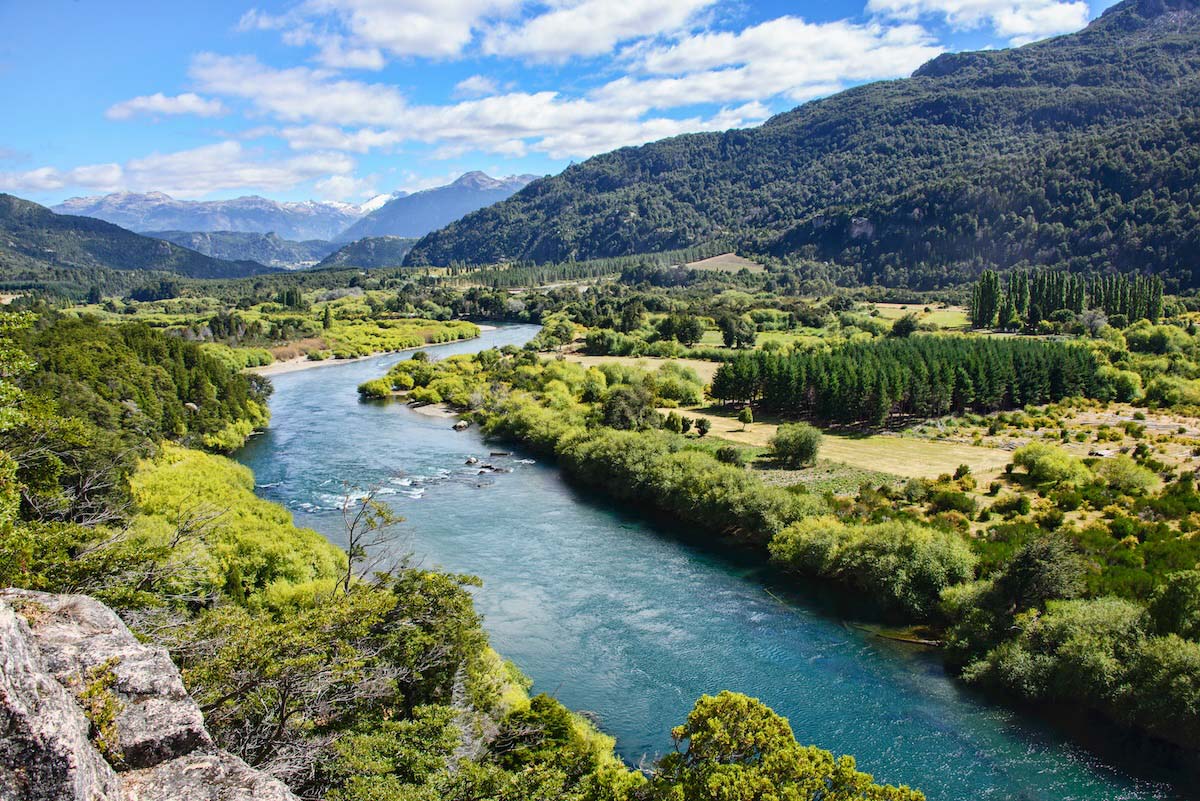
From the turquoise freestones of the Futaleufú to the stillwater drama of Lago Yelcho, from the high banks of the Rio Palena to the quiet creeks that braid their way through ranchland near Coyhaique, this isn’t a single destination—it’s a region-wide rite of passage. Chile doesn’t just offer you good fly fishing. It rewires your expectations of what trout water can be.
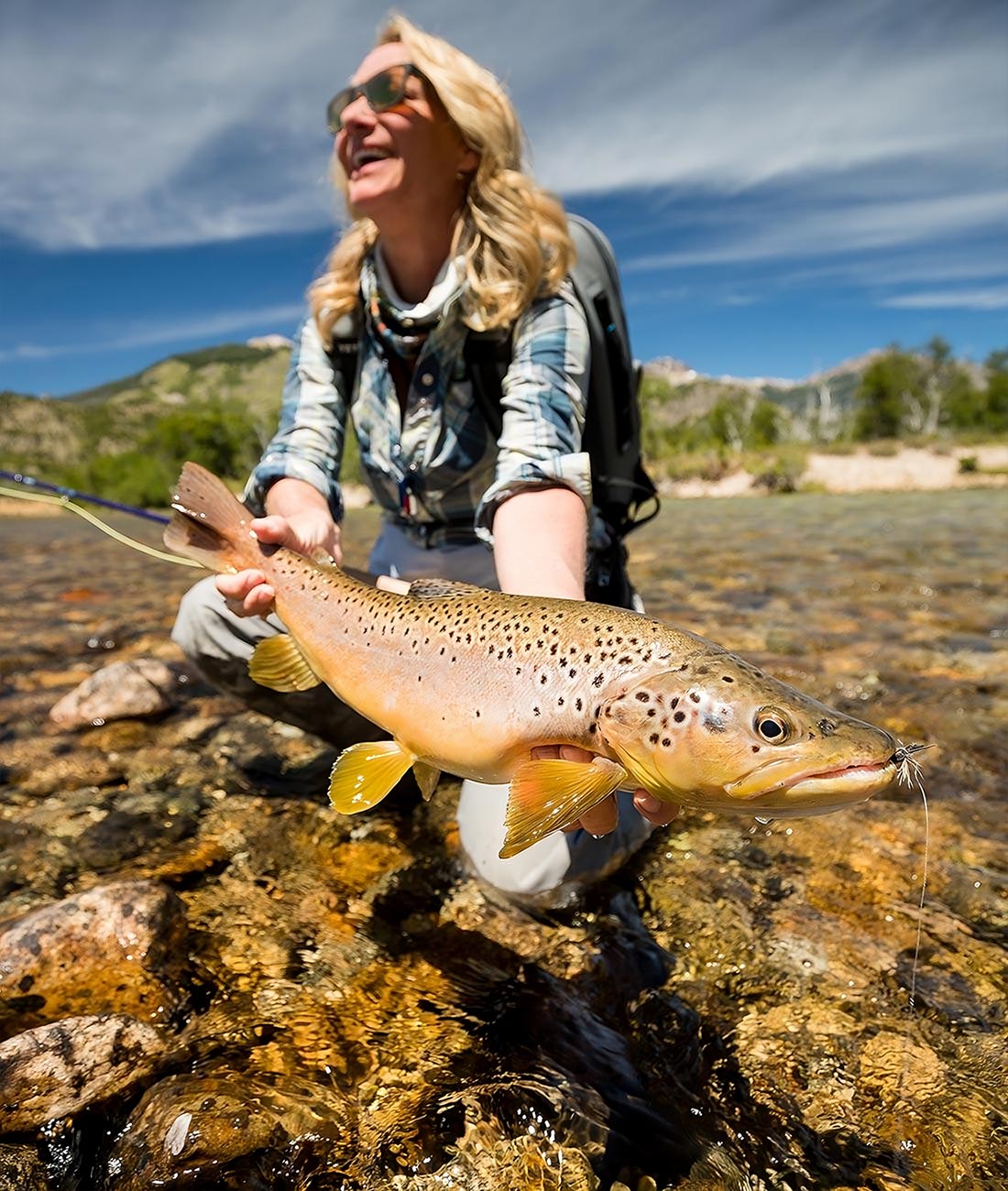
The fish are wild. Strong. Never stocked. Often unseen. They don’t sip politely like spring creek risers. They ambush. They charge. They vanish before your second false cast finishes unrolling. You won’t see them stacked like cordwood. You’ll see signs—dimples, flashes, the swirl just behind a boulder. And you’ll need to make it count.
At the same time, this isn’t a place that demands perfection. It rewards commitment. You don’t need to cast 70 feet into a headwind on command. But you do need to listen. Watch. Move with intention. Patagonia fly fishing guides aren’t known for barking orders—they read water like a native language and expect you to trust them when they say, “Wait. Now.”
What makes this part of Chile a world-class fly fishing destination isn’t purely the variety of water. There’s something in the pace down here. The days start slowly. Coffee over the river. Tippet knots in wood-paneled rooms. Drift boats that slide off the bank in silence. Then comes the focus—the kind that creeps up gradually until you realize you haven’t checked your watch in 6 hours.
“The sun arcs differently in Patagonia. The light feels older. You stop measuring time by the clock and start measuring it by how many chances you’ve had to make the right cast.”
This isn’t fantasy water—this is real. Fish that crush foam beetles in backwater eddies. Trout that rocket from under cutbanks to annihilate a streamer before you even finish your mend. Water so clear you can see your fly hit bottom—then get eaten on the rise.
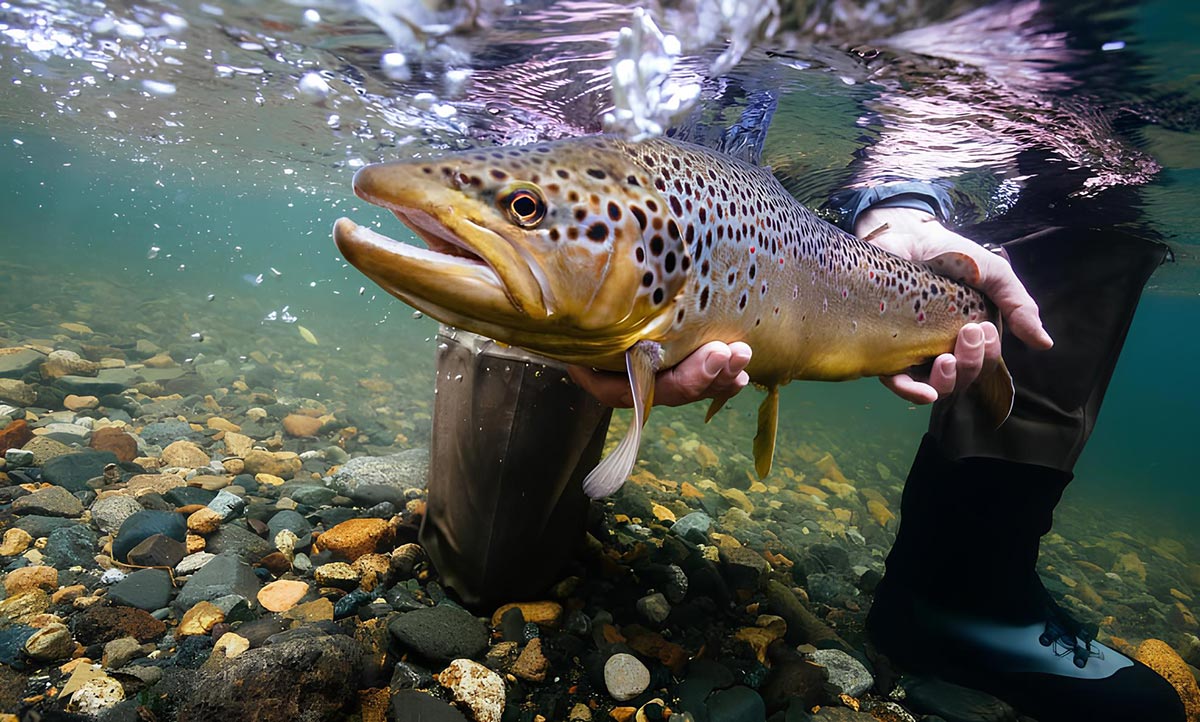
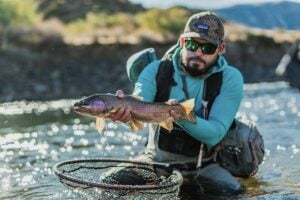
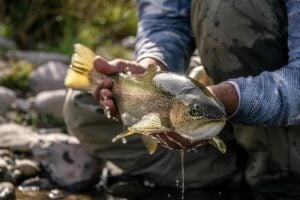
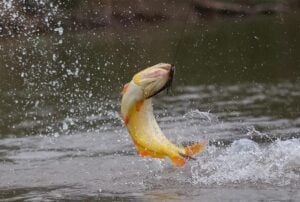
Pictured above: Brown trout in Patagonian river bed at Eleven Martín Pescador Lodge, Chile
And in all this wild, there’s order. A structure. Chile’s circuit of legendary rivers and intimate fly fishing lodges that form the backbone of any Patagonian fly fishing trip. Over the next sections, we’ll travel that circuit—not as tourists, but as fishermen in pursuit. We’ll trace the waters from Futaleufú to Yelcho, across to Palena, and north toward Coyhaique. Not to rank them, but to understand why—once you’ve fished here—every other trout trip starts to feel like practice.
The Futaleufú Corridor
You don’t find the Futaleufú by accident. It runs deep in the folds of southern Patagonia, wrapped in mist and granite and a silence that feels earned. The name—Futaleufú—means “Big River” in the Mapuche language, and it lives up to it. But size alone doesn’t explain its pull. It’s the way the water moves—clear and cold, fast where it should be fast, slow where it needs to rest. It’s a river with moods. And if you’re going to fish it, you’ll need to match them.

This isn’t drift-and-dap water. The Futaleufú demands presence. Even the still parts of this river feel alive, like something’s coiled just below the surface. And often, it is. Wild trout—browns and rainbows both—live in these waters in numbers that defy the eye. Not packed, not farmed, not obvious. But there. Waiting in the places that reward those who read current like language.
It starts with the drift. Not just where the boat goes, but how it slows, how it angles, how it gives you that two-second window to fire a cast into a foam line just beneath an overhanging branch. This is sight fishing in structure-rich water, but it’s not a visual game in the way flats fishing is. Here, it’s more interpretive. You learn to look for the suggestion of a fish—the flicker, the change in current, the flash of white inside a seam. And then you act, before it’s too late.
What makes the Futaleufú remarkable isn’t just the fish or the clarity or the way it seems to stage its own lighting for photographs—it’s the fact that it offers so many different kinds of water in a single day. One hour you’re pulling streamers through deep, glacier-carved runs that hold trout big enough to make you pause. The next you’re switching to a hopper pattern and drifting it along grassy banks, watching trout rise with a violence that feels almost rude. The river is a chameleon. And that means you have to be, too.
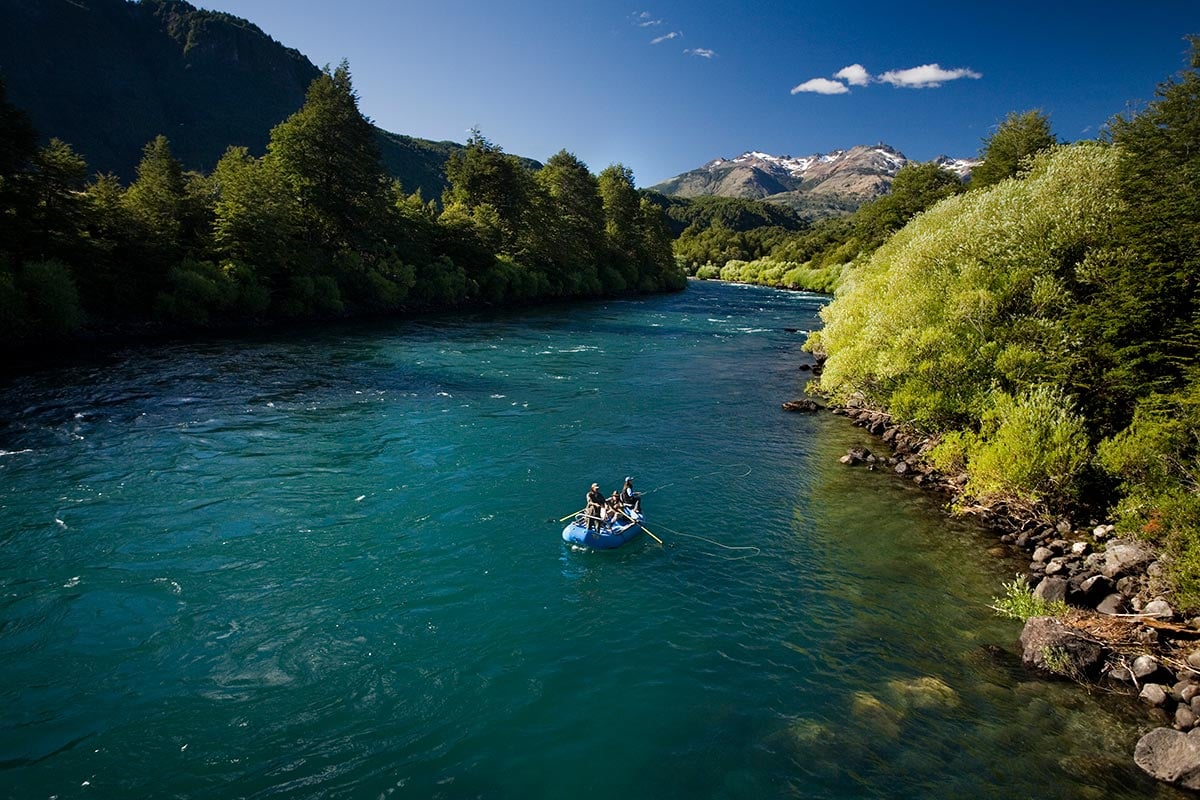
But the true heart of this corridor isn’t just the main stem—it’s what branches from it. Tributaries, spring creeks, lakes that barely show up on the map. They’re quiet. Intimate. And full of surprises. A ten-minute hike off the river can put you on a stretch of water so pristine it feels undiscovered. And often, it is—fished only by those who’ve spent enough time here to know where the good water hides when the wind shifts.
Still, even the most skilled fisherman would be foolish to go it alone here. This river system has character in every bend—eddies that require perfect mends, drop-offs that look shallow but fall away into shadow. The fly fishing guides that work this corridor aren’t just rowers—they’re interpreters. They read the river like a script and know when to call for a change in fly, angle, or pace.
The Futaleufú River doesn’t give anything away. Not the fish, not even the depth until you’ve waded out past your comfort zone and felt the current fold around your legs.
This is not forgiving water—it’s fast, clear, and shaped by gradient and granite. But if you’ve fished freestone rivers before and thought you had them figured out, this stretch of southern Patagonia will shake the rust off your habits and demand you fish with intention.
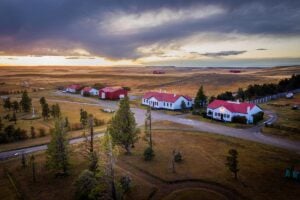
The renowned Futa Lodge sits right on the river, which means you don’t waste daylight on transfers or staging areas. The kind of water most trips require a float to reach, here, you can walk out the door and start reading seams. Some of the best shots are close—where depth shifts under a pillow of current or where a cutbank pins the flow against the edge of a rock wall.
The fishing leans technical, but not delicate. You’re not presenting size 22 midges. You’re working large dry flies into big structure, or swinging streamers through slow tailouts that suddenly light up with a flash and a thump.
Most of it’s done from drift boats, but stepping out to wade—especially in tighter side channels—is where this river really starts to feel personal. Futa Lodge holds a small group, so there’s no rush. No competition. Just fishermen working the same river on different beats, all trying to read the next drift a little better than the last.
There’s a moment that happens on this stretch of the Futaleufú—usually around late afternoon, after a long run through water that’s held your focus like a vise. The light softens. The wind settles. The drift boat noses into an eddy. And for a few minutes, the world goes quiet except for the hiss of line in the air and the sudden, electric splash of a take.
The Futaleufú corridor is a crucible. It’ll show you what kind of fly fisherman you really are. Not by testing your distance casting (or how many brands of fluorocarbon you packed), but by asking whether you can slow down. Whether you can see what the water is trying to tell you. Whether you’re willing to wait, to listen, and to strike when the time is right.
Yelcho Country
If the Futaleufú teaches you to read current, Yelcho teaches you to read calm water. At first glance, the lake and river system here feels easier. Slower. But that’s the trap. What looks simple is often the most demanding. Fish in Yelcho don’t give away their position. You’ll see structure, shadows, and depth changes—but no guarantees. What you’re looking for are clues: a slashing rise under a dragonfly hatch, a swirl in the reeds, the flick of a tail just under the surface. This is where experience pays off.
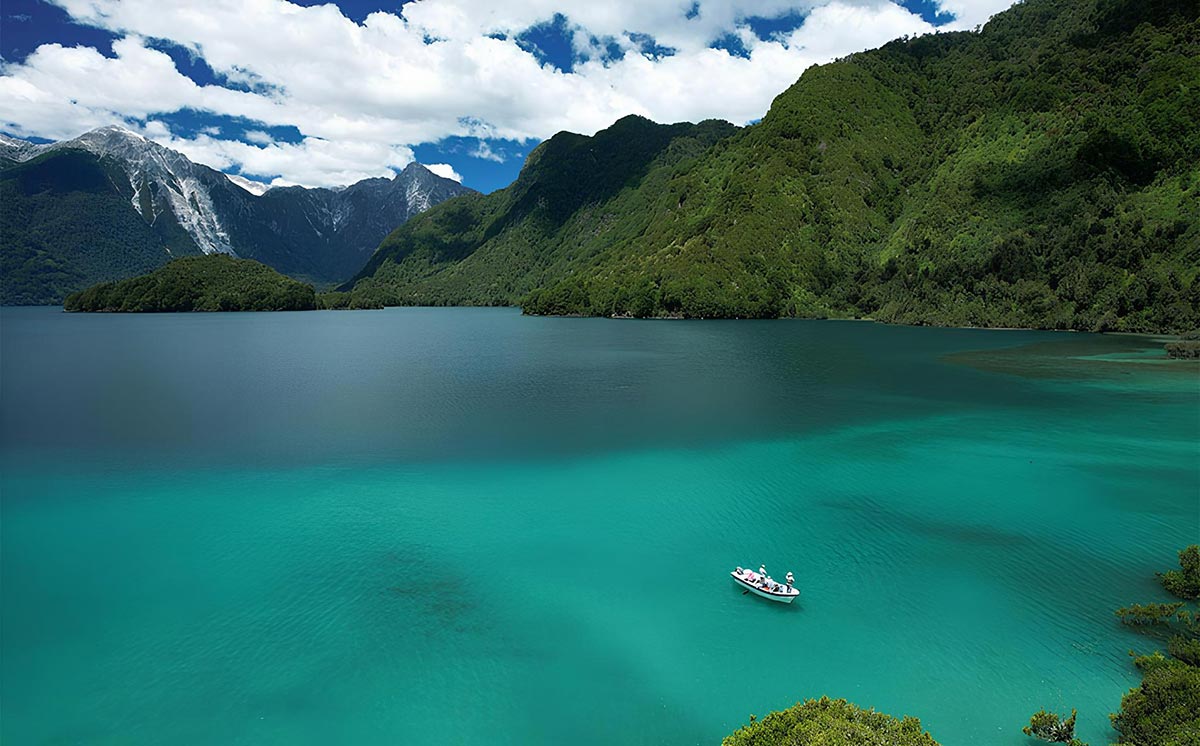
Lago Yelcho is large, clear, and often glassy in the morning before the wind picks up. It’s famous for its summer dragonfly hatches, and if you time it right, you’ll witness some of the most aggressive dry fly eats anywhere in Chile.
Trout here—browns and rainbows—will explode through the surface like they’ve been waiting all year. But it’s a short window. You either make the shot count or you spend the rest of the day replaying it in your head. The most consistent success comes with a mix of dry-dropper rigs, small streamers, and nymphs cast to structure. You’ll target submerged wood, weed lines, rock shelves, and drop-offs. This isn’t a place for long bombing casts and hoping for the best. You fish with strategy. You fish the edges.
The lake transitions almost seamlessly into the Rio Yelcho, which fishes like a river that forgot it used to be a lake. Its flows are slower than Futaleufú’s but clearer, and the sight fishing can be exceptional. You’re not blind casting here—you’re spotting fish rising in eddies, tucked behind rocks, or slowly cruising along inside bends. You’ll be standing in shin-deep water or posting up from a jet boat while your guide keeps you in position. The best shots are close—sometimes 15 to 30 feet. It’s about accuracy and timing, not distance.
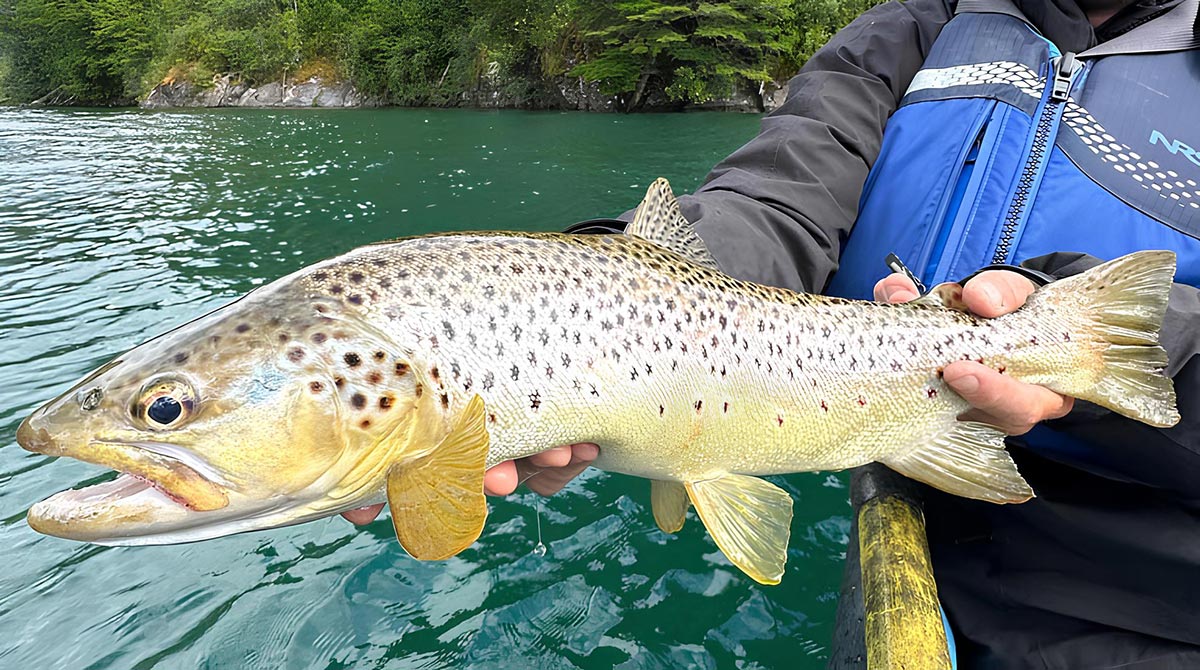
In the lower Rio Yelcho and the upper lake outlet, things get more dynamic. Water speeds up, banks get tighter, and structure becomes more pronounced. This is where the streamer game comes alive. You’ll be throwing articulated patterns into cuts and under trees, stripping fast or slow depending on light, temp, and depth. Big fish come out of nowhere here. Sometimes they chase. Sometimes they eat the moment the fly lands. Either way, you don’t get a second shot.
Further upstream, the lower Futaleufú River feeds into Lago Yelcho. That confluence is a zone worth focusing on. It blends the high-oxygen input of river water with the thermal stability of the lake—conditions that grow serious trout. The fish in this section are built different. They’re longer, thicker, and fight deeper. They’ve seen pressure, so they don’t fall for sloppy presentations.
This is technical streamer and nymph water—targeted shots into banks, pocket water, and current breaks. And when you hook one, you’ll know. There’s no guessing with these fish.
The Los Lagos region overall gives you range. Stillwater. Moving water. Sight fishing. Deep drops. Hatches and reaction strikes. It’s not one style. It’s several, all packed into a manageable footprint. And that’s what makes a lodge like Martín Pescador so valuable—not as a luxury, but as a base of operations. You’re not guessing each day. You’re adapting. Running south when the lake blows out. Switching rivers when clarity changes. Using local intel and experienced guides to keep you on productive water, even when conditions shift.
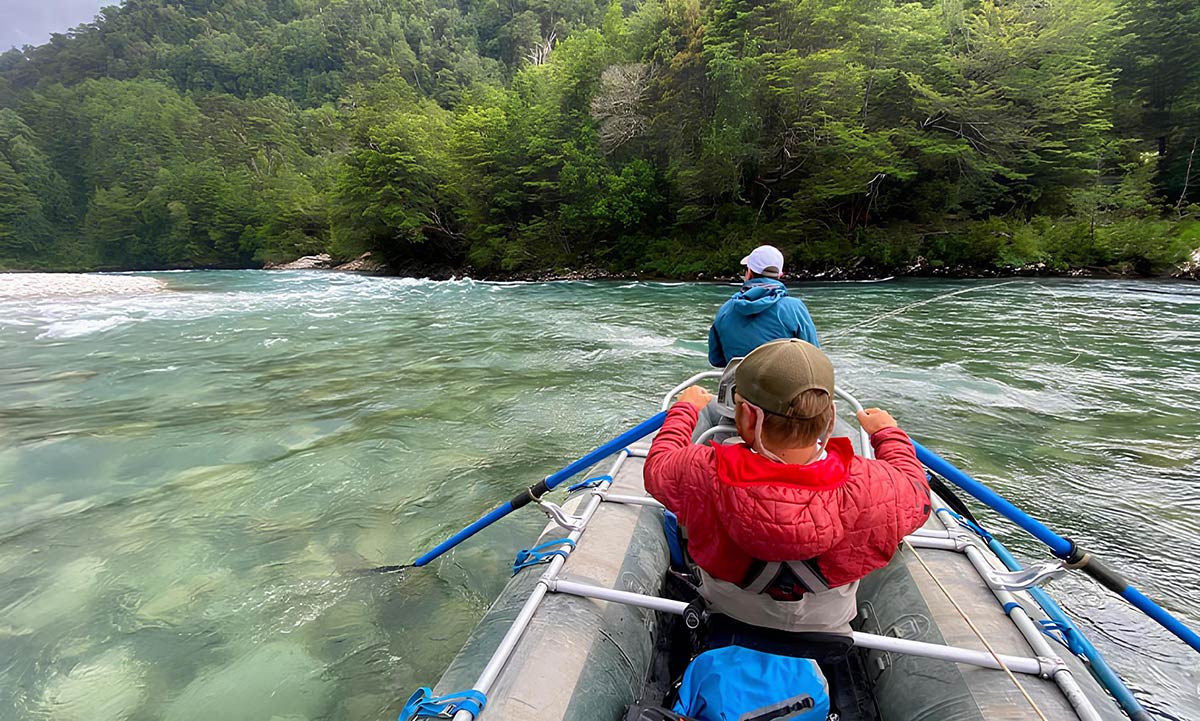
Basecamp matters when you’re this far south. With the lake stretching one way and the river flowing the other, Martín Pescador Lodge sits in the right kind of in-between—close enough to both Lago Yelcho and the Río Yelcho outlet that you’re not burning daylight on logistics. It’s a broader mix of waters than many lodges—from Yelcho Lake and River to select tributaries and lower river zones—making it ideal for anglers who want to sample multiple water types in one trip.
Mornings start quick here: gear up, coffee in hand, and into the boat while the surface is still glassy. Some days you’ll drift through open water under the buzz of a dragonfly hatch, watching big trout push wake as they charge foam patterns. Others, you’ll tuck into river structure, sight-fishing soft current lines or probing drop-offs with a tight-line rig and a careful mend. I
The lodge hosts only a small group at a time, creating space to truly settle into the rhythm of Yelcho country. Long days on the water turn into slow evenings by the fire. You’re not getting cycled through. You’re staying somewhere that assumes you came for the fly fishing—and gives you the room to focus on it.
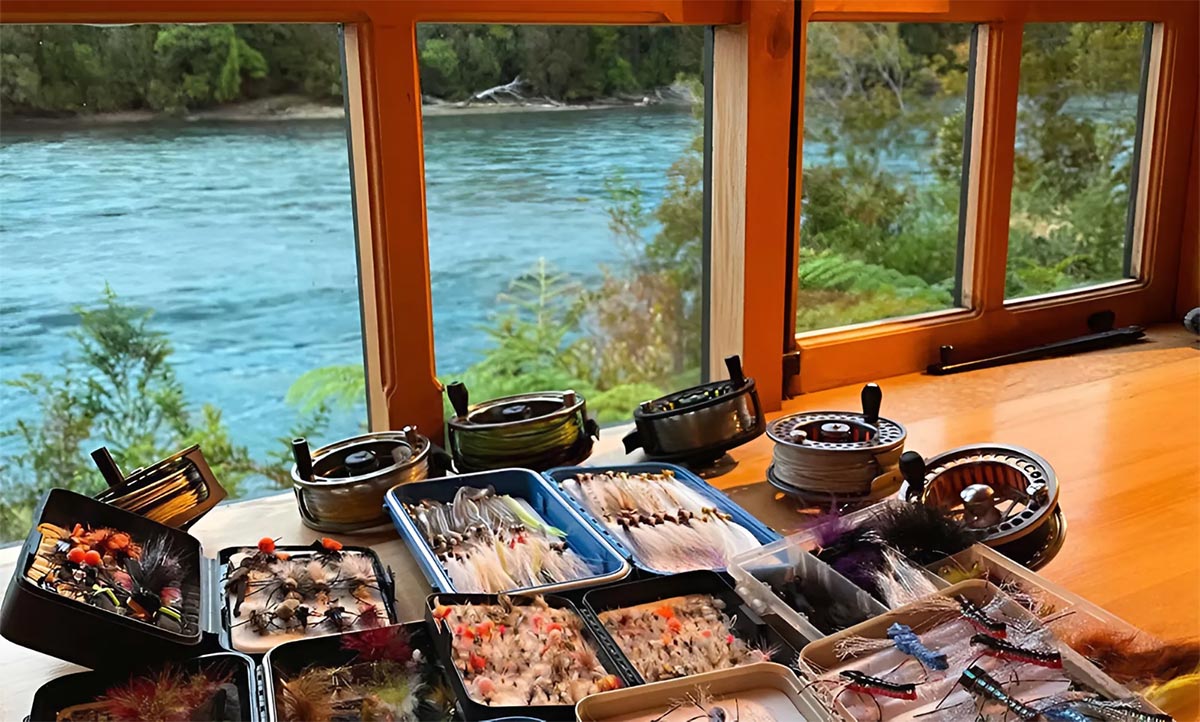
Whether you’re drying gear by the stove or swapping patterns with someone who just got back from the outlet stream, everything here bends toward the next day’s plan. Which is exactly what a lodge should do in water like this.
Yelcho is a global fly fishing destination for good reason: it rewards experienced anglers who can work structure, adapt to stillwater, and move between techniques. This is not backup fishing. It’s not what you do when the freestones blow out. If you can adjust your mindset from fast water to slow, from speed to subtlety, from visible current to subsurface signals—you’ll thrive here.
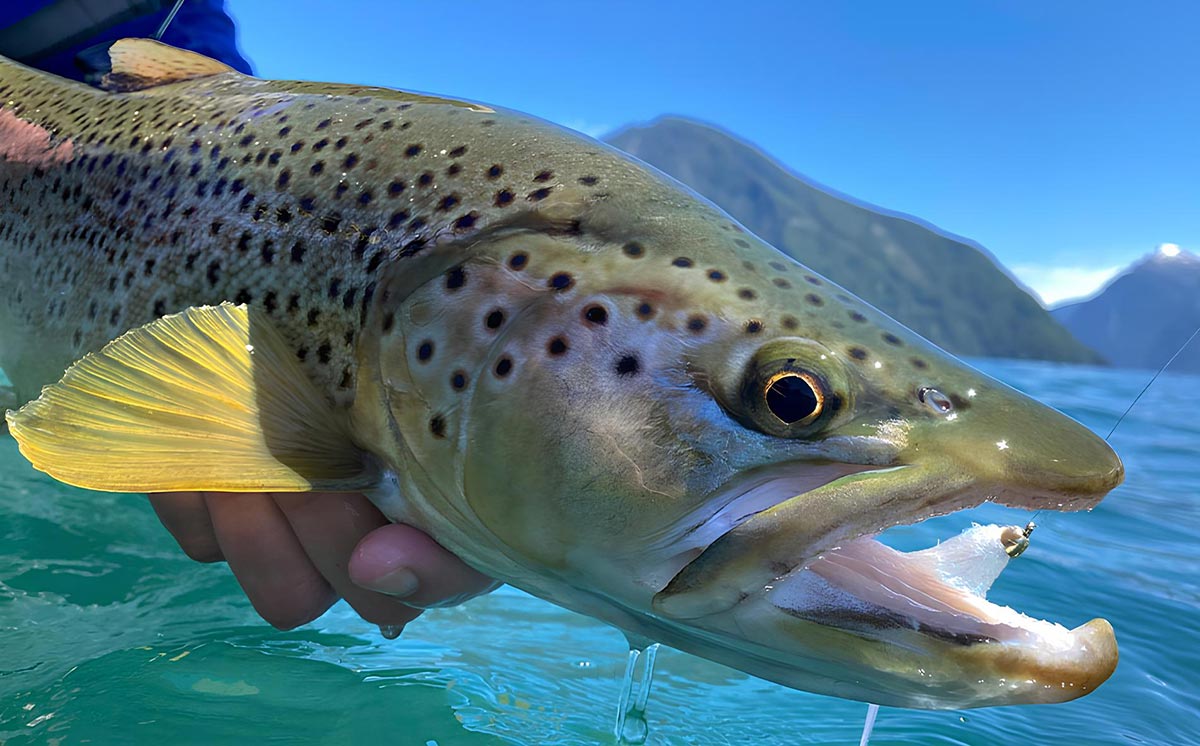
The fish are there. They’re eating. But they’re not going to make it easy. And that’s exactly what makes Yelcho country worth fishing.
Coyhaique & the Inland Spring Creeks
Not every angler finishes their trip in Coyhaique—but for those who do, the shift in pace can bring some clarity to everything they’ve learned farther south. This inland region of Chilean Patagonia feels different from the lake-and-river systems to the south. The terrain is more varied. The weather is less predictable. The rivers here are smaller, the flows tighter, and the fish spookier.
The waters around Coyhaique include spring creeks, meadow streams, and mid-sized rivers with walk-and-wade access. You’ll still find plenty of drift opportunities on the larger rivers—like the Simpson and the Río Ñirehuao—but much of the real magic happens on foot, in places you hike into, crouch beside, and fish slowly.
Spring creeks in this region require a shift in gear and mindset. You’ll downsize your flies. You’ll lighten your leader. You’ll spend more time watching than casting. The trout—mostly browns, with some rainbows—aren’t impossible, but they’re wary. They’re used to seeing shadows before they see food, and they know what doesn’t look right. A poorly placed hopper, a clumsy wade, or even a too-loud false cast will push them off the feed for the next hour.
You’ll fish a lot of foam terrestrials here, especially during the high summer months. Beetles, ants, hoppers—big, visible bugs that make aggressive trout show themselves. But it’s not just a dry fly game. On cloudy days or when hatches go subsurface, you’ll be running bead-head nymphs through narrow slots or stripping small streamers through undercut banks.
Water clarity in this region is typically excellent, which makes for great sight fishing but also means the margin for error is thin. Good presentation matters. So does approach. There’s a lot of bow-and-arrow casting, a lot of sidearm flicks under overhanging willows, and a lot of working uphill through tight meadow corridors while trying not to drag your leader through the grass.
Some of the best stretches are on private estancias, managed for low-impact access. That means little to no boot traffic ahead of you, rested water, and fish that behave naturally. In these places, it’s not unusual to see a 20+ inch brown sipping under a bush—and you’ll have one chance to feed it a fly without giving yourself away.
The larger rivers—like the Simpson—offer more conventional tactics. You can float them, fish long riffles, and cover water with streamers or dries. These systems are productive and reliable, especially early and late in the season when hatches peak and flows are ideal. But even here, what separates the average fisherman from the one who finds real success is pacing. You can’t rush this region. Not the water. Not the fish. Not the process.
Coyhaique doesn’t have the drama of the Futaleufú or the sweep of Yelcho, but it’s a place to refine your game. Where your control over loop shape, drift speed, and mend technique determines whether or not you hook up. And when the sun starts to drop over a spring creek bend, and a brown trout noses up to a slow-moving beetle pattern drifting right along the seam—you’ll know why this region is a favorite of those who’ve fished all over Patagonia.
If your trip leans toward larger water and lodge-based fishing, you may never leave the freestones. But for walk-and-wade purists or those extending a longer itinerary, Coyhaique offers a technical, rewarding detour.
Planning a Multi-Lodge Chile Fly Fishing Adventure
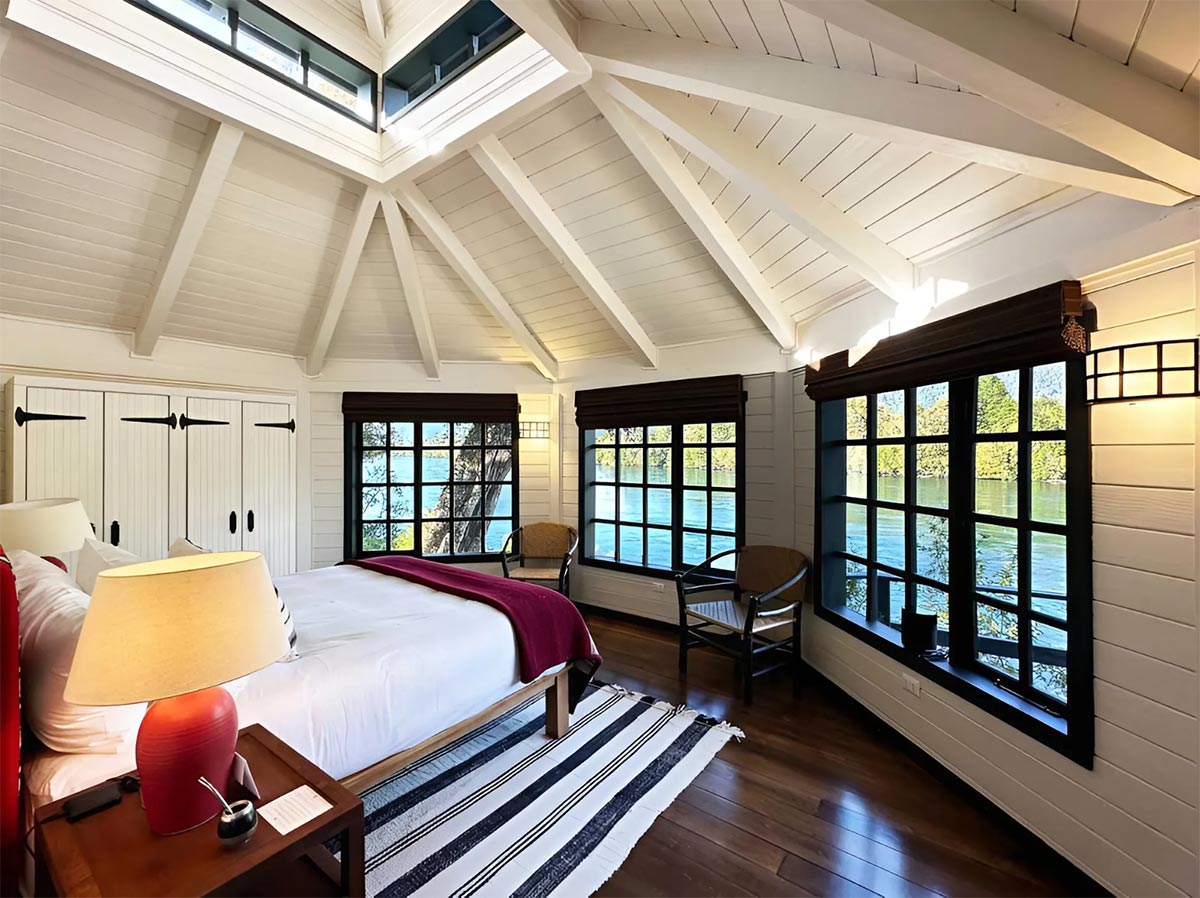
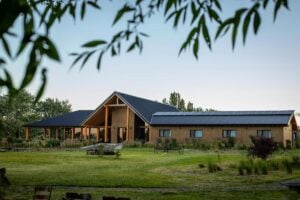
Pictured above: View of the river from a guest room at Martín Pescador Lodge
Once you’ve seen a piece of Chilean trout water up close—really seen it—it’s hard to leave it behind. But it’s even harder to ignore what lies just beyond.
That’s the dilemma for anyone planning a serious fishing trip here: not what to include, but what you’re willing to leave out. Because the strength of Chile as a fly fishing destination isn’t just in any single region. It’s in the way the regions connect. The variation in water types—from the powerful flows of the Futaleufú to the tactical spring creeks near Coyhaique—means that naturally, no single Chile fly fishing lodge can show you everything. But two, sequenced properly? That opens the whole playbook.
If you’re planning a trip, go wide. Fish different water. Consider staying in more than one region. Treat it like a progression, not a one-off. Because the more of this country you fish, the more it starts to make sense—not just topographically, but as a system. A living, moving trout fishery on a continental scale.
It helps to think in terms of progression—starting with one system and moving through others that contrast it. A natural arc might begin with the Futaleufú, where technical river fishing and floating deep canyon water introduces you to the scale of southern Patagonia. From there, pushing west into the Yelcho system lets you experiment with stillwater tactics and fine-tune presentations in crystal-clear lake margins and slow-moving tailouts. If you have time, you might also consider finishing in the Coyhaique region, though the aforementioned freestone rivers and stillwater systems farther south offer more than enough variety for a complete trip.
That order also works from a travel logistics perspective. The infrastructure improves as you move north, and many anglers end their trip near the Yelcho system or continue just far enough to fly out of Balmaceda, which often offers easier flight connections. You can also reverse the itinerary—starting with lighter, slower water and working your way south into the heavier currents and canyon systems of the Futaleufú—but most fly fishermen prefer to begin in the heart of Patagonia and move outward from there.
Timing makes a difference, but not in the way many first-time travelers to Chile assume. The general fishing season across Chilean Patagonia runs from November through April, but not every lodge operates for that full span. Some, like Martín Pescador, focus their season around peak dry fly windows from January through March. In many parts of the Los Lagos region, this mid-season stretch offers the most consistent balance of water clarity, insect activity, and weather stability—perfect conditions for dry fly fishing and sight casting alike.
Otherwise, high summer (December through February) typically brings the most stable conditions, but the shoulder months—especially November and March—can offer aggressive streamer action and standout sight fishing. November brings hungry post-winter trout willing to chase streamers. March brings lower water, cooler nights, and some of the best dry fly windows for sight fishing.
If you’re connecting multiple regions, spacing your trip over 10 to 14 days lets you take advantage of these transitions.
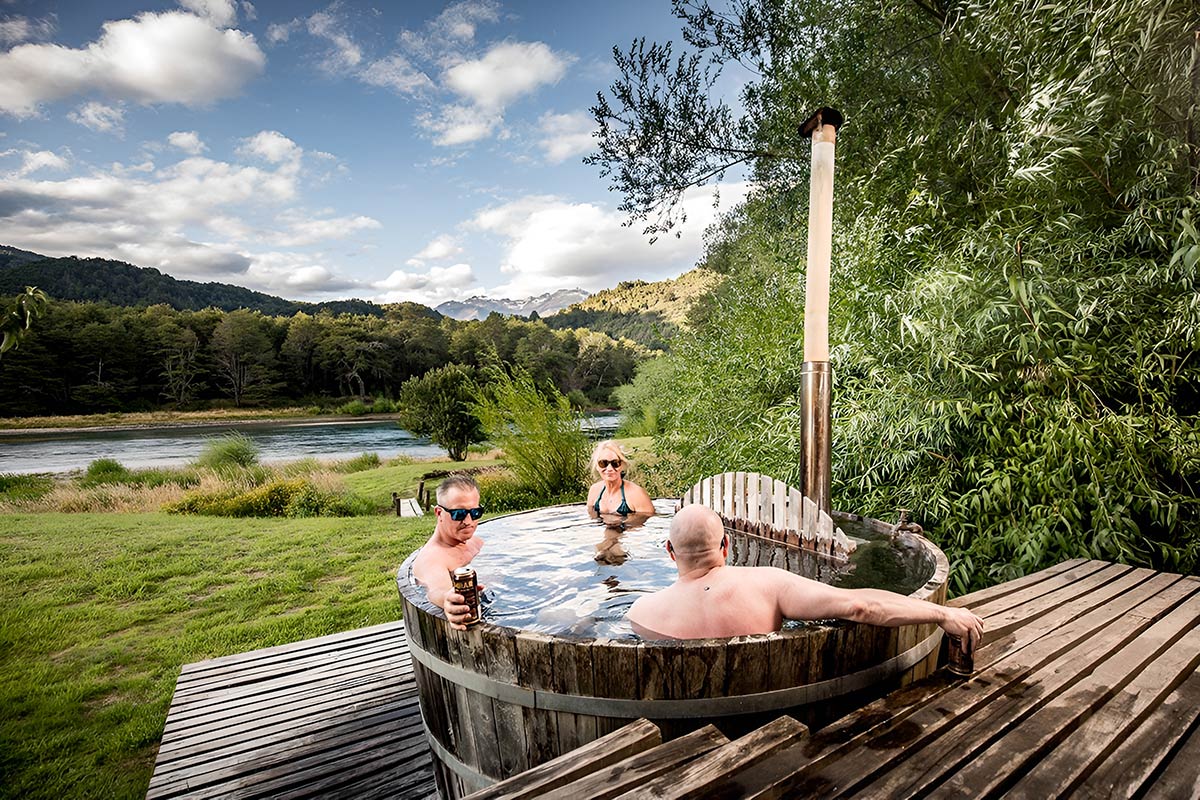
Pictured above: Outdoor hot tub right on the river bank at Futa Lodge
Travel between regions takes time. Small flights, long drives, river crossings. But none of it will feel wasted. That variety is what keeps the days distinct in your memory. It’s also what helps you develop as a fisherman. A week spent only blind-casting from a raft won’t challenge you the way a split itinerary will.
Of course, if you prefer to focus your adventure at one lodge on your trip to Chile, there’s definitely something to be said for settling into one system—getting to know its moods, returning to familiar beats, and dialing in your approach as the river changes day to day. As we all know, some of the best fishing happens not through variety, but through repetition and refinement.
Final Thoughts – Fishing Chile Like It’s Meant to Be Fished
Fly fishing Chile isn’t about chasing hero shots or adding pins to a map. It’s about learning to operate in a landscape where water moves differently, fish behave differently, and the rhythms of a day don’t follow the ones you’re used to. It’s learning how scale, pressure, and clarity affect your approach. You don’t just show up and fish—you learn how to fish here.
The draw isn’t just the trout, though they’re a major part of it. It’s the contrast. You might float a glacial river in the morning and hike into a spring creek that afternoon. You might cast a size 6 beetle into a stillwater channel, then switch to a #16 nymph for technical work in current seams twenty minutes later.
Every piece of water comes with its own logic, and the ones who do well here are the ones who observe, adapt, and let go of assumptions.
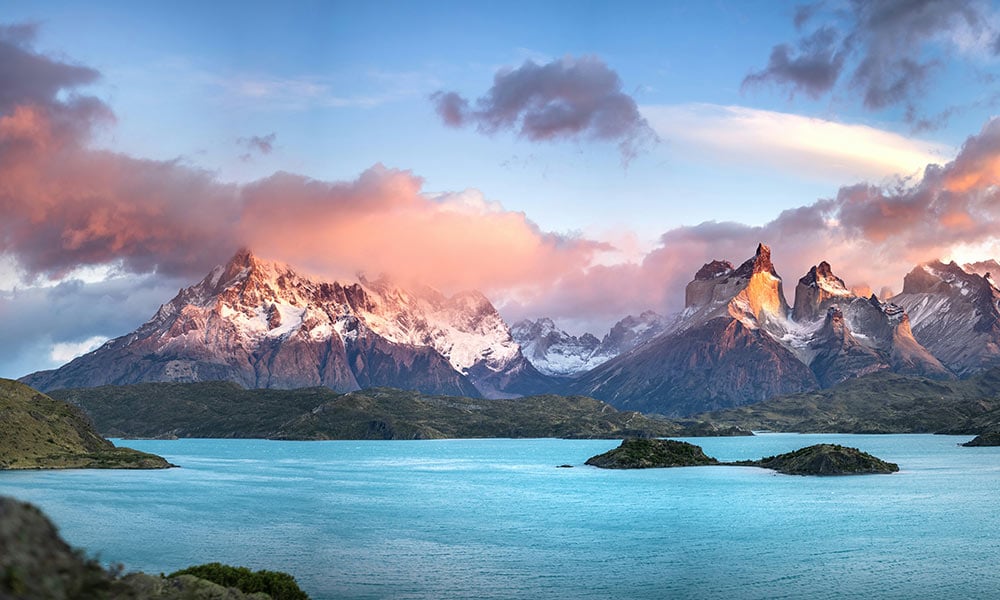
What makes the experience hold together isn’t the scenery—though again, the scenery is exceptional. It’s the level of engagement required. You’re never casting just to cast. You’re examining the drift. You’re watching for clues in a foam line. You’re adjusting to glare, wind, depth, and light angles. That’s the kind of fishing that sharpens your awareness. It makes you better, not just here, but everywhere you fish after.
The fly fishing lodges here are platforms that let you focus. You wake up close to the water. You eat well. You fish hard. You don’t waste daylight trying to figure out access or driving 3 hours just to reach decent water. You get to spend your time where it counts: standing in the river, scanning for movement.
Chile rewards the curious and the patient. The fisherman who’s willing to adjust their cast, walk another mile, or change tactics when the fish disappear. And when it all comes together—when a wild brown tracks your fly 10 feet before committing, when your streamer gets crushed on the swing, when you see the rise before you see the fish—you’ll know why so many come here once and spend years trying to get back.
Next steps:
or