Alaska’s wild rivers and off-grid fishing access attract adventurous anglers hoping to go it alone on a DIY trip. But pulling off a successful self-guided Alaska fishing trip isn’t always straightforward. This guide looks at the real challenges and trade-offs—and when lodge support might be the smarter move.
Self-guided fishing in Alaska sounds like the ultimate angler’s move: just you, a map, a truck, and the freedom to explore remote waters on your own terms. No guide fees. No fixed schedule. Just time on the water, chasing wild fish in one of the last truly untamed places on the planet.
For the professional or seasoned angler, whether fly fishing or spinning, it’s even more appealing. You know how to read water, you’ve handled backcountry trips before, and you’ve got the gear to go off-grid for a few days.
Alaska draws over 400,000 visiting anglers annually according to ADF&G — a volume that tells you something about the fishery, and about the competition for access on road-system water.
Alaska’s Enduring Appeal as a Top Fishing Destination
Alaska offers what few places still can—truly wild fish in untouched landscapes. From hard-hitting grayling and trophy rainbow trout to Arctic char, northern pike, and all five Pacific salmon species, the freshwater variety is unmatched. Add to that world-class saltwater opportunities for halibut, lingcod, and rockfish along the coast, and the scope widens even more. But it’s not just about species—it’s about setting. Vast, remote, and largely unpressured (if you know where to go), Alaska gives anglers a shot at waters where the natural rhythm still dominates. That raw, unscripted experience is the real draw.
Alaska is also surprisingly well-connected for such a vast wilderness. Major airports like Anchorage and Fairbanks offer regular flights from many U.S. hubs, making it relatively straightforward to reach key gateway cities. Once there, you’ll find well-stocked fly shops, gear rental options, and even several productive fisheries accessible by road. For anglers willing to invest the time and effort into planning, Alaska provides everything needed to craft a truly independent adventure—putting you in control of your schedule and the freedom to explore wild waters on your own terms.
What Invites Anglers to the DIY Alaska Experience
- Lower Costs — On Paper: Guided fly-out lodges in Alaska typically run $5,000–$10,000+ per week all-in. A DIY road-system trip can come in well under half that — but only if logistics stay manageable. The savings shrink fast once bush flights, boat rentals, and last-minute gear enter the picture.
- No Fixed Schedule: The ability to fish until midnight in endless summer light, wait out a bad hatch, or chase a different drainage on a whim is genuinely appealing — and something a lodge week rarely gives you.
- The Unguided Experience: Finding your own fish, reading unfamiliar water without input, and coming off the river knowing it was entirely your call — that’s a legitimate draw, and one a hosted lodge week can’t replicate.
What to Factor In on Self-Guided Alaska Fishing Trips
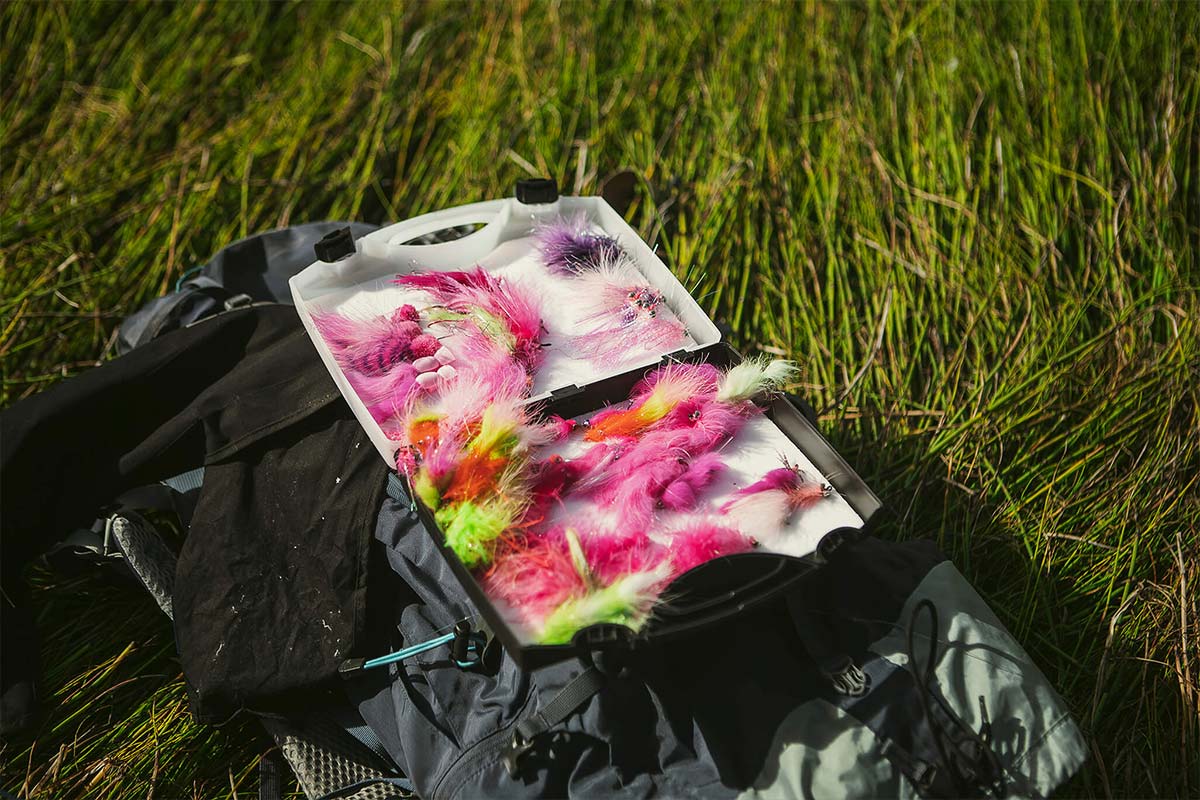
Self-guided fishing in Alaska offers real freedom, but it comes with challenges that catch many visiting anglers off guard. Remote terrain, unpredictable weather, and the logistics of accessing productive water mean the reality rarely matches the vision. Here’s what to factor in before committing.
Getting to Alaska Is the Easy Part
Getting to Anchorage or Fairbanks is straightforward enough. What happens after that is where the reality of Alaska sets in.
Many of Alaska’s most productive waters, particularly in the Bristol Bay region, are off the road system and require bush flights or boats to access. Even the places you can drive to are often pressured, require local knowledge to fish well, and involve long travel times between productive stretches. You can get there—but getting into consistent fish is another story.
A Flight Charter to Remote Areas Is Often Necessary
Most bush charter operators running anglers into productive water aren’t day-trip services. They’re tied to multi-day lodges or remote camps — planned well in advance, accessed by floatplane or jet boat, and booked out by spring for prime season dates.
There are local guides who run river float trips or offer transport to semi-remote locations, but availability is seasonal and the best ones book up quickly. If you’re hoping to find a last-minute ride into untouched water, the odds aren’t great. Logistics in Alaska take planning, and good water rarely comes without it.
Local Knowledge Isn’t Optional
Local knowledge isn’t optional on a DIY Alaska fishing trip — it’s the difference between a productive week and an expensive guessing game. From understanding river timing and water levels to knowing which access points actually hold fish, a good local guide or outfitter can save you days of trial and error. Many of the best waters are not accessible without a boat, plane, or deep familiarity with the drainage.
For first-timers especially, working with someone who knows the lay of the land — whether for logistics, gear drops, or just a solid game plan — can be the difference between a learning curve and a wasted week.
Alaska’s Conditions Can Shift Fast
Even in peak season, weather in Alaska turns on a dime — clear skies can become sideways rain in minutes. River levels can spike overnight, blowing out access or turning a manageable wade into a dangerous one. Wind, cold, and visibility can change your day’s plan fast. Self-guided anglers need to build in margin — both in gear and in mindset — to adapt when conditions move against them.
Fitness and Mobility Matter More Than You Think
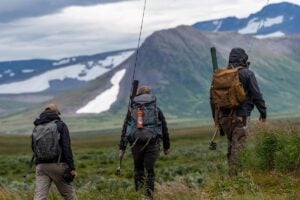
Alaska’s not flat, paved, or conveniently marked. Reaching productive water away from the road system typically means hiking with a loaded pack, crossing glacially cold rivers without a bridge, and navigating through alder thickets that don’t show on any map. On a multi-day float or backcountry wade trip, the daily physical demand is sustained — not occasional. Fitness here isn’t about performance. It’s about whether you can safely cover ground when conditions change, which in Alaska, they will.
What a Self-Guided Alaska Fishing Trip Often Looks Like
Easily Reached Water Sees Heavy Pressure
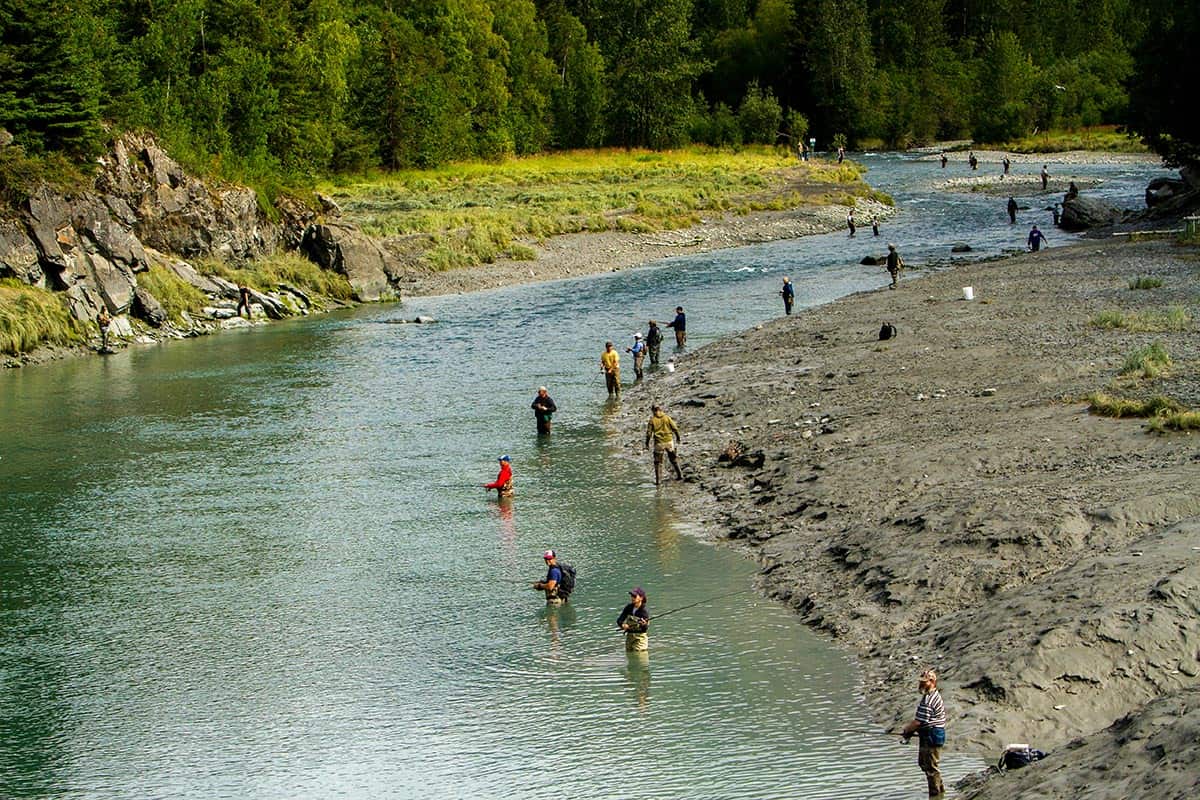
Road-accessible rivers attract every angler with the same idea. The Kenai, Russian, and Anchor rivers see heavy foot traffic — especially in peak salmon months. Fly-only zones don’t mean solitude. They mean crowded gravel bars, well-worn trails, and fish that have seen hundreds of flies before yours.
These rivers still produce fish — but on peak sockeye weekends the Russian River confluence looks more like a parking lot than a wilderness experience.
Fish Might Be There — But So Are the Unknowns
Even if you find a spot with fewer people, success isn’t guaranteed. Alaska’s waters are dynamic. Without local knowledge or updated intel, your self-guided alaska fishing trip can turn into a guessing game.
- Timing is everything — you might be a week early or late for a run. For a full breakdown of Alaska’s seasonal windows for the 5 salmon species, see what month is best for salmon fishing in Alaska.
- Water clarity, flow, and temperature can vary dramatically by day.
- Species behavior changes fast — especially in transition periods between salmon runs and trout feeding windows. If you are specifically interested in targeting salmon across different Alaska regions, you may be interested in the best salmon fishing in Alaska.
Distances Are Greater Than They Seem
On the map, that next drainage may look close. But in Alaska, everything is farther than it looks. Gravel roads go on for hours. Cell service disappears. Weather can trap you for days. Fuel stops are rare. And some water that looks fishable just… isn’t. If you’re short on time, these misjudgments can eat up your whole trip.
Logistics Can Eat Into Your Fishing Time
You’re the guide, cook, camp manager, and navigator. You’re also the person hauling gear back and forth, dealing with permits, bear precautions, and food storage. That kind of independence is rewarding — but it also cuts into your fishing hours. And when you’ve only got a limited window, that matters.
When DIY Alaska Fishing Actually Works
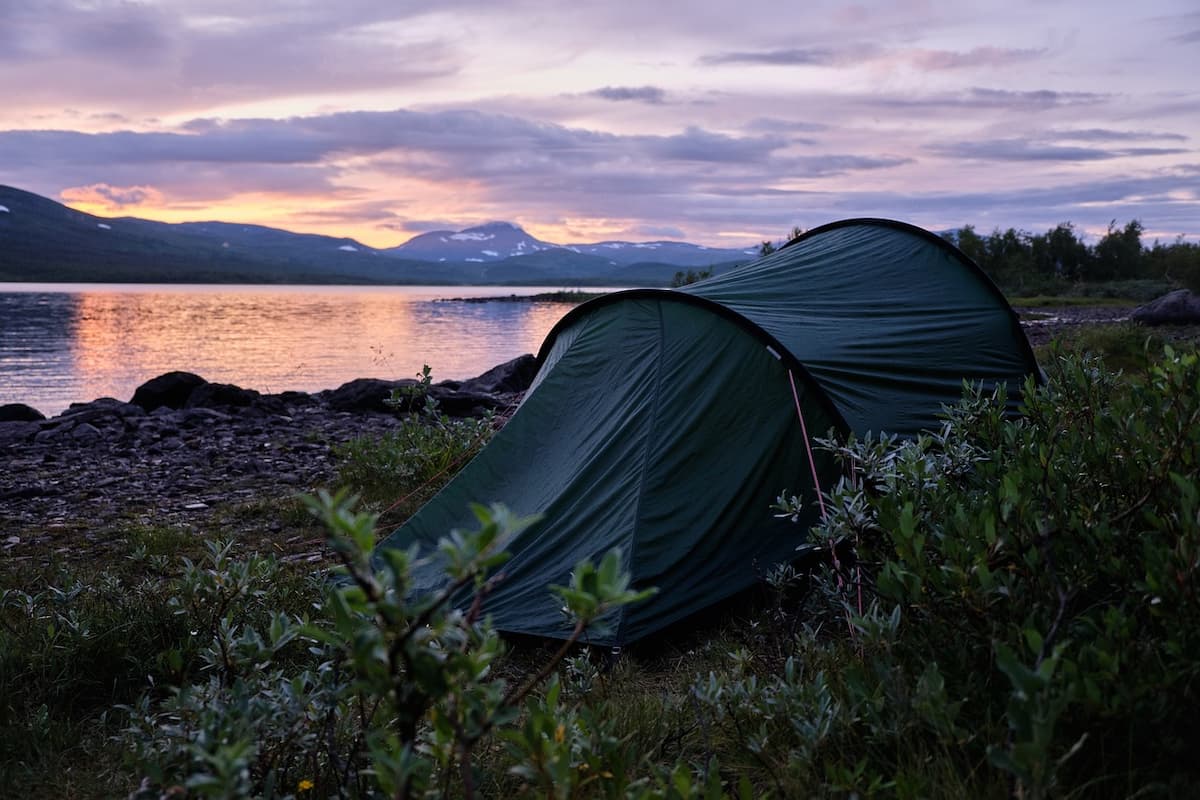
A DIY Alaska fishing trip is a genuine option for anglers who have fished Alaska before, know the systems they’re targeting, and can commit two to three weeks to allow for weather and timing flexibility. The same applies if you’re targeting shoulder seasons, less popular species, or have reliable local contacts feeding you current intel.
For most traveling anglers — especially those with a single week and no prior Alaska experience — the logistics overhead tends to compress actual fishing time significantly. The smart call is usually a lodge that puts you on productive water from day one.
A Few DIY Alaska Fishing Tips (If You Still Want to Try It)

- Start Early or Go Late: June and September see less pressure. Trout and grayling are more active, crowds are manageable, and shoulder-season airfares are lower.
- Look Beyond Salmon: Everyone chases salmon. Waters holding resident rainbows, Arctic char, and grayling see a fraction of the pressure and can fish exceptionally well outside peak months.
- Research the Road System Rivers: The Parks Highway corridor — Willow Creek, Little Willow, Sheep Creek, Goose Creek, Montana Creek — crosses fishable water for rainbow trout and Arctic grayling that sees a fraction of the pressure of the Kenai system. Outside peak salmon months these streams fish well and are genuinely walk-and-wade accessible.
- Pack for Bears: Bear spray, proper food storage, and correct camp setup are non-negotiable in Alaska. Don’t treat this as optional.
- Be Ready to Adjust Plans: Rivers blow out. Access roads close. Weather turns. Build backups into every day of the itinerary.
- Bring Enough Cash for a Quick Exit: In remote areas, a charter flight out — whether for injury, gear failure, or weather — can be the difference between waiting days or leaving the same afternoon. Cash still talks in many bush communities.
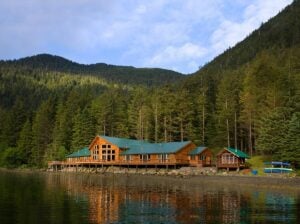
The Smart Alternative: Remote Fishing Lodges

This isn’t about pushing you toward a luxury operation. It’s about choosing the kind of lodge that exists to get anglers into serious fish — not pamper them.
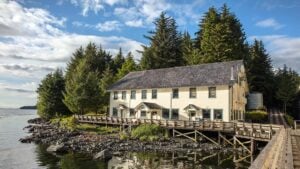
The lodges worth fishing in Alaska aren’t on the road system. They’re fly-in only, located on rivers that don’t see day traffic or walk-ins, and run by people who have been working those waters for decades. For a breakdown of how Alaska lodge programs are structured and what type of angler each one suits, see our Alaska fishing lodges guide.
What you get with a good fishing lodge:
- Access to untouched water
- Timing dialed in for current conditions
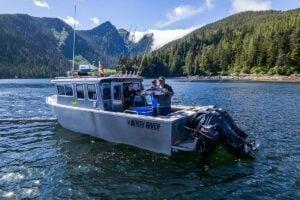
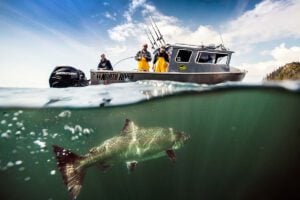
- Boats, rafts, and floatplanes to reach where the fish actually are
- Guides who know every bend and backchannel
- Time spent fishing — not driving, guessing, or troubleshooting
- A backup plan when weather moves in
The structure of a lodge week often still gives you time to fish independently after hours — minus the uncertainty. Some operations offer à la carte fly-out services to keep base costs down.
For anglers who want remote access without full-service pricing, fishing camps offer a leaner setup with the same focus on fishing-first access.
Looking for Alaska Lodges That Prioritize the Fishing?
At FishingExplora, we only list operations we’d fish ourselves — remote rivers, seasoned guides, and water that delivers. Explore our Alaska fishing region page for a full overview of destination options and lodge programs across the state.