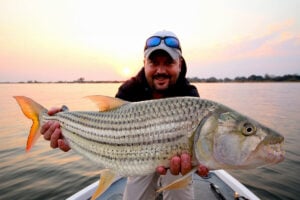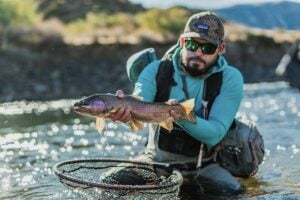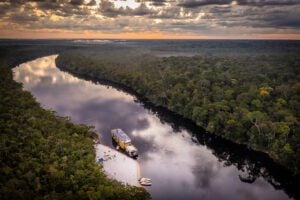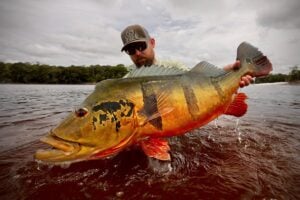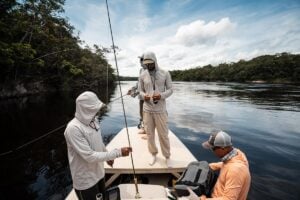
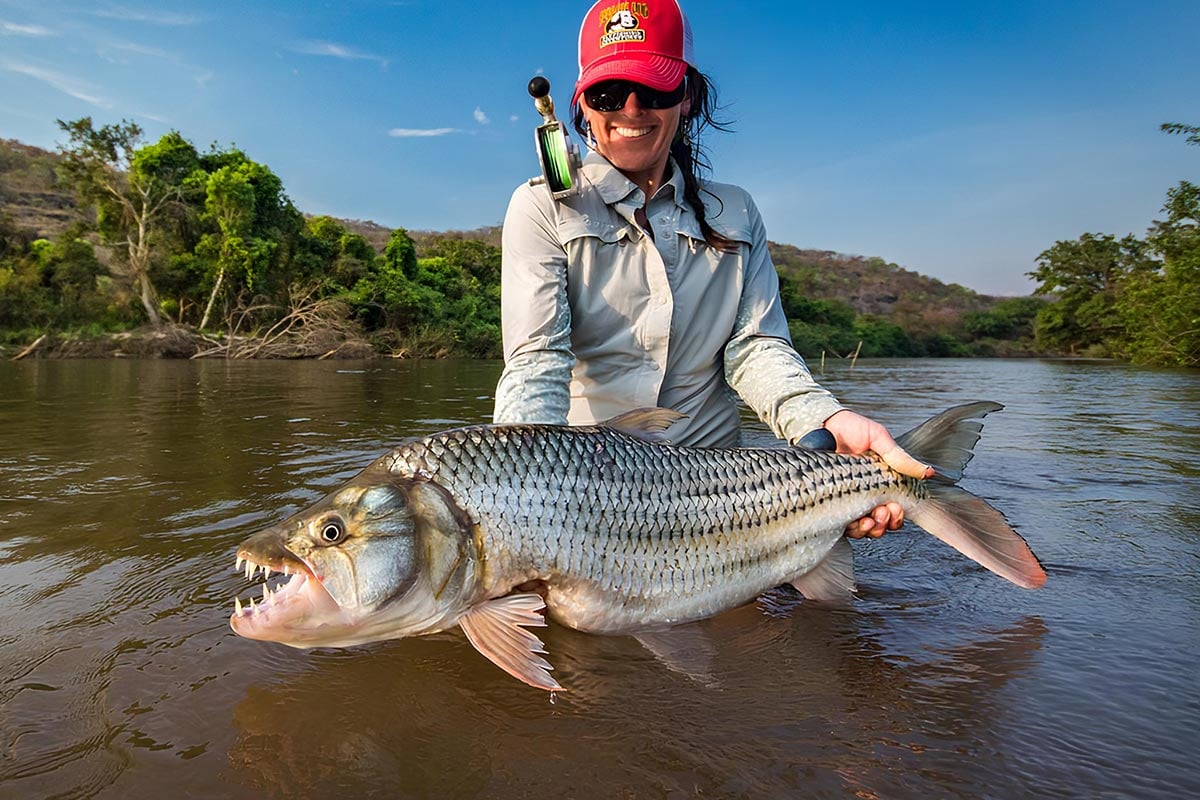
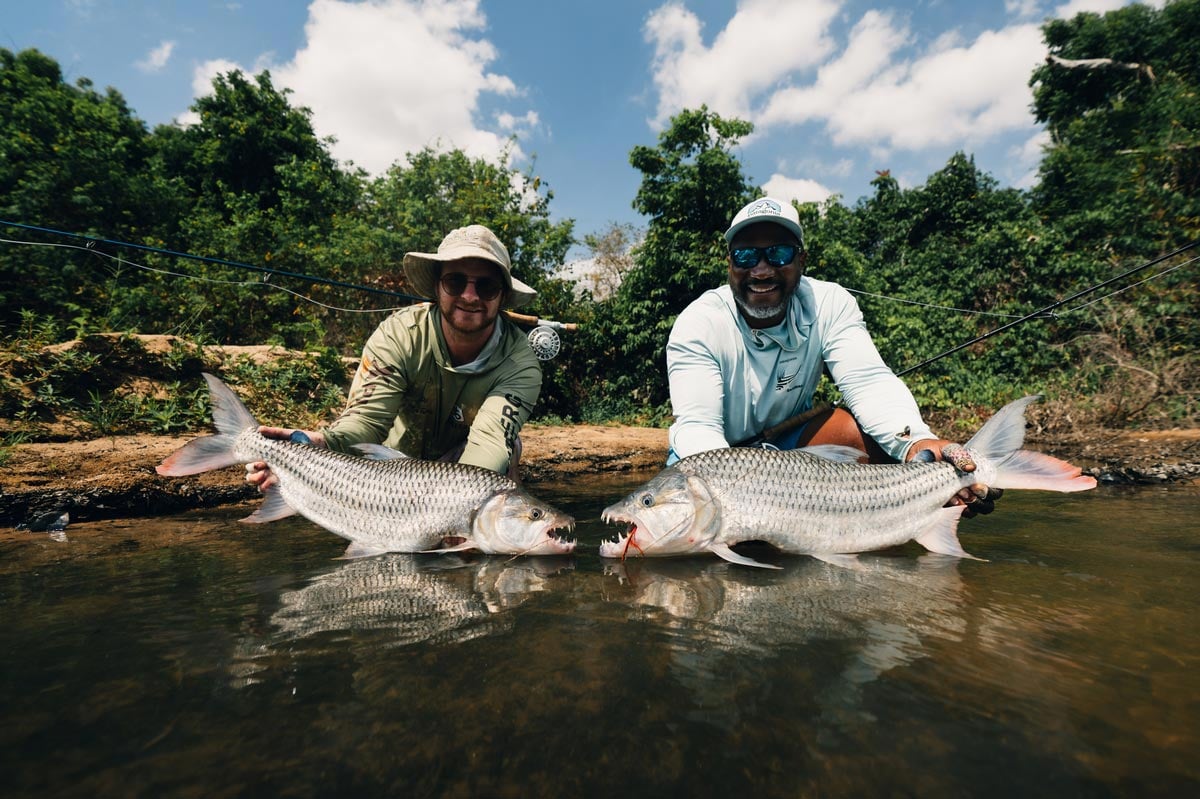
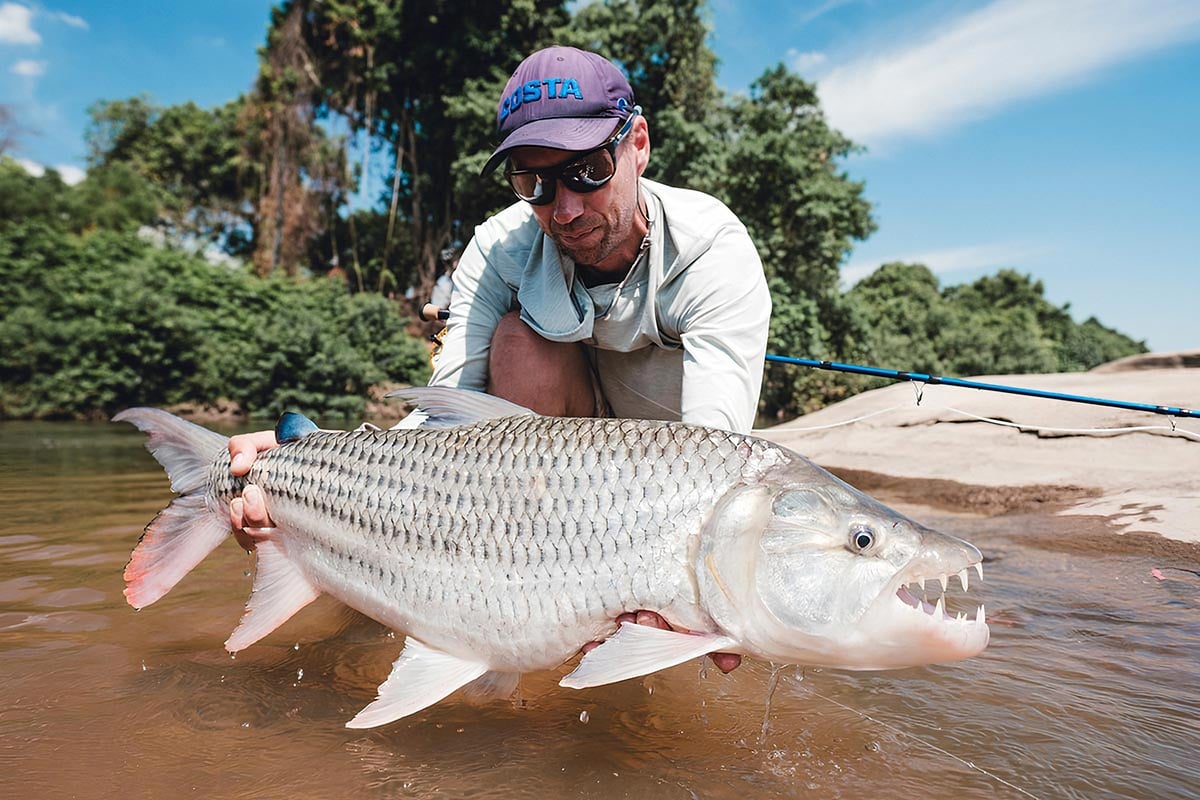
Tanzania’s southwestern rivers are a rare place where freshwater fly fishing feels truly wild. The Mnyera and Ruhudji cut through a protected landscape of gallery forest, oxbows and sandy bends that hold aggressive tigerfish (Hydrocynus vittatus). Big teeth, violent takes and airborne headshakes define the fight. If you are planning a focused mission for trophy tigers, the benchmark experience is Dhala and Samaki Tigerfish Camp in Tanzania by African Waters.
The Fishery at a Glance
The Mnyera and Ruhudji Rivers lie within a tightly managed concession inside Nyerere National Park. This is structured river fishing rather than open floodplain. Expect undercut banks, downed timber, ledges and boulder gardens. Fish set up in ambush lanes where current meets cover. Double digit tigerfish are realistic here and the average size is high for the species. The program is limited to a small number of rods each week which keeps pressure low and quality high.
Seasonality and Trip Timing
The core season runs from August through November when water levels stabilize, clarity improves and water temperatures encourage aggressive feeding. Early weeks can bring higher water with active fish tight to structure. Mid season often combines good clarity with comfortable flows. Late season can mean lower, clearer water that rewards precise presentations and stealth. Within any week, daily conditions change with light, wind and river level, so flexibility and trust in your guide team pay dividends.
Tigerfish on the Fly Tactics
Reading the water
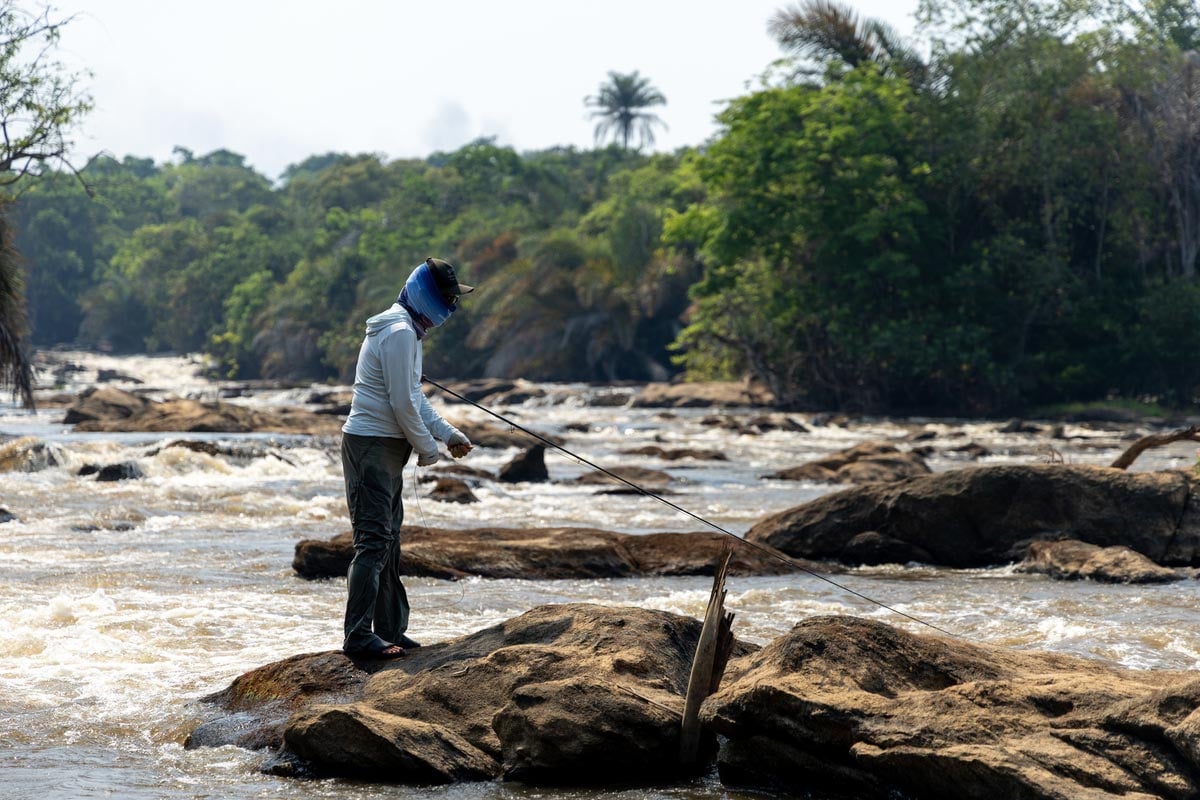
Target seams, eddies below timber, the dark tongues of depth against sandbars and the heads and tails of pools. In the rapids, focus on softer pillows behind boulders and along current breaks where predators pin bait.
Presentation and retrieve
Cast tight to cover and start the strip immediately so the fly does not sink into snags. Vary cadence until you find the trigger. Short, fast pulls that keep the fly tracking true often outperform long strips. In faster runs, use a swing-and-strip approach, letting the current work the fly across the lie before adding sharp accelerations.
Hook set and fight
Use a firm strip set and keep the rod angled low to maintain pressure. Tigerfish have hard, toothy jaws and will shake free if you lift prematurely. Stay connected through jumps and keep fish out of wood by applying side pressure. Wire bite tippet is mandatory for this species.
Gear and Flies
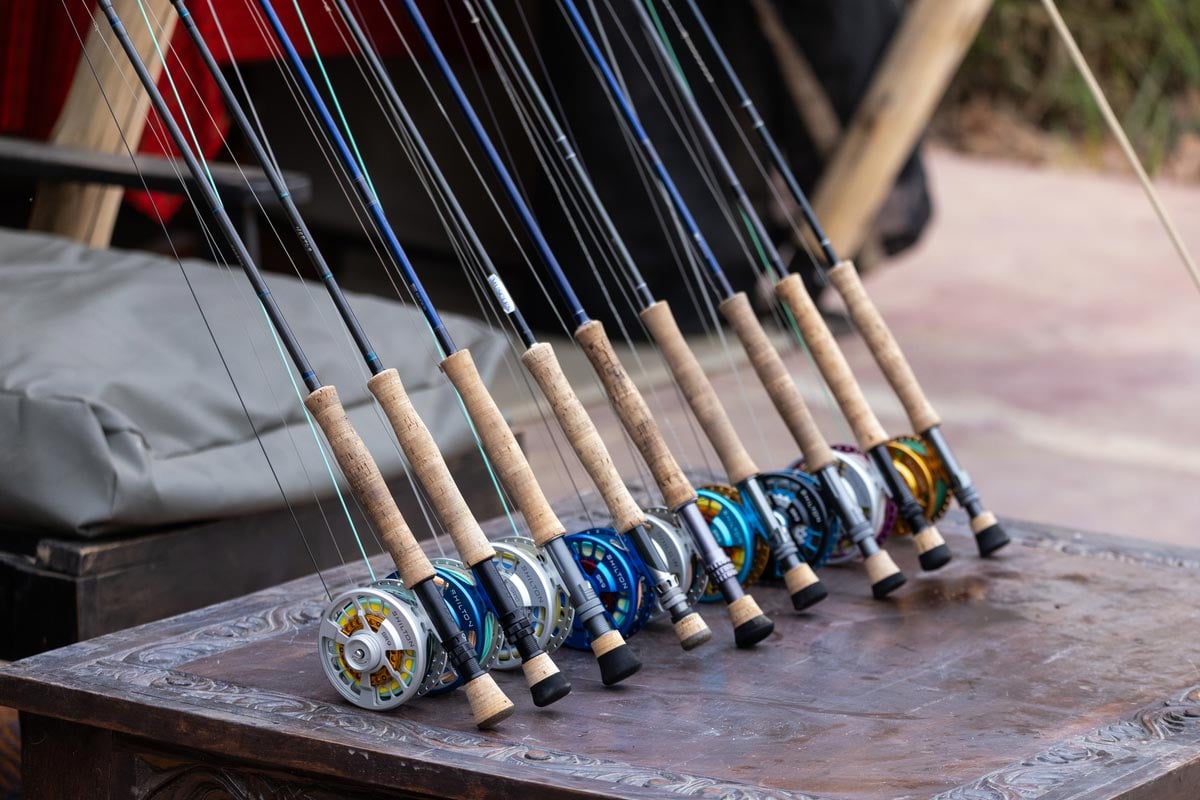
- Rods and lines 9 or 10 weight rods with stout but responsive tips. Carry both an intermediate line and a fast sink tip or integrated sink line to cover different depths and current speeds.
- Leaders Simple and strong. Four feet of 40 to 50 lb mono or fluorocarbon to a short section of 30 to 40 lb knotable wire bite tippet. Keep rigs compact to turn over bulky flies at short range.
- Flies Dark baitfish patterns, brush flies and whistlers in black, black and purple, olive and tan. Clousers in natural baitfish tones for clearer water. Size 2/0 to 4/0 on heavy single hooks. Add a few articulated patterns for extra thump and a handful of compact profiles for low, clear conditions.
- Tools and clothing Long forceps or pliers, jaw spreaders, hook hone, and a compact first aid kit. Quick dry sun layers, polarized glasses with copper or amber lenses and sturdy boat shoes that grip wet decks and river stones.
Why Dhala and Samaki Tigerfish Camp
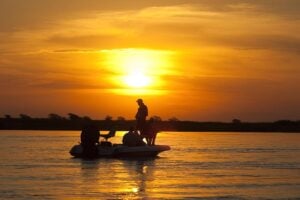
Dhala and Samaki Tigerfish Camp in Tanzania is built around a carefully managed rotation across both the Mnyera and Ruhudji. Anglers fish two per boat from purpose built Go Devil style skiffs with 25 hp motors that run shallow and handle timbered channels. One day each week is devoted to the Ruhudji rapids on foot which is a highlight for strong waders who enjoy fast water. With only a handful of rods per week and a short season, beats remain rested and fish stay aggressive.
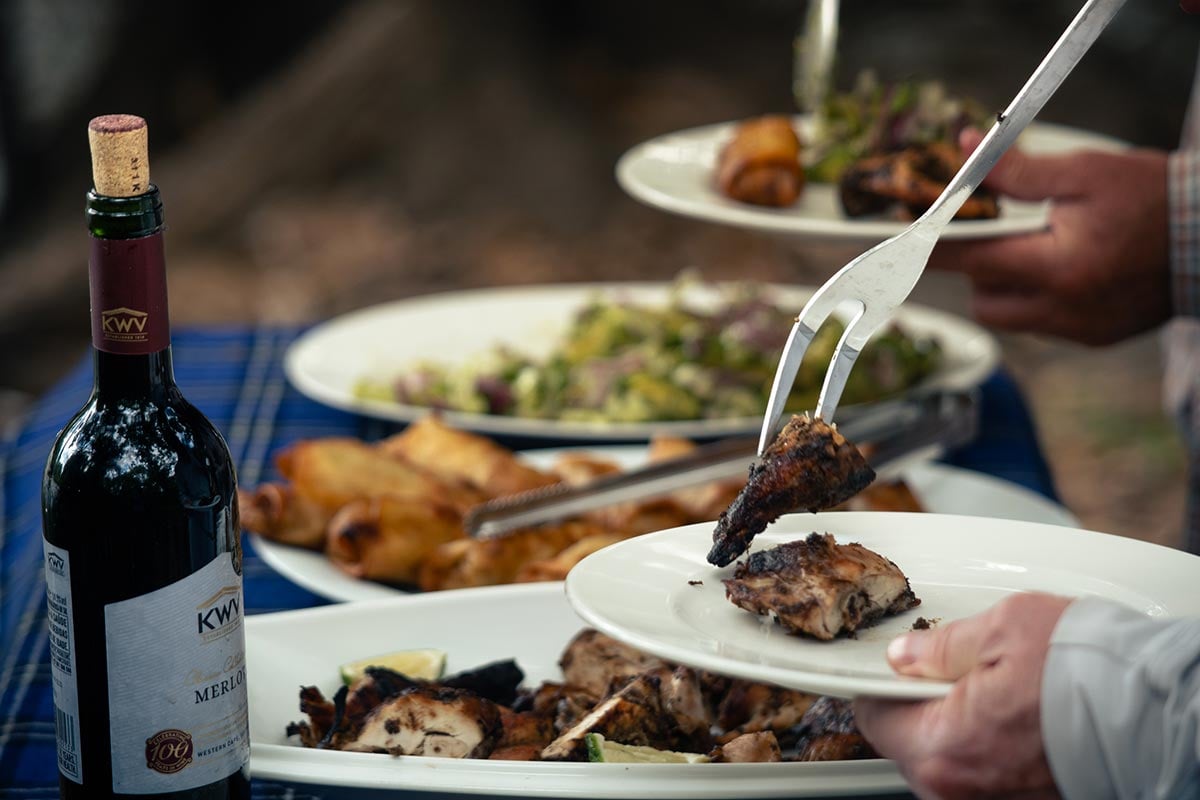
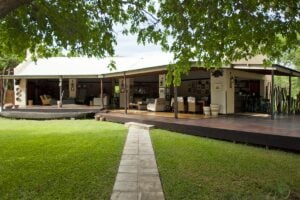
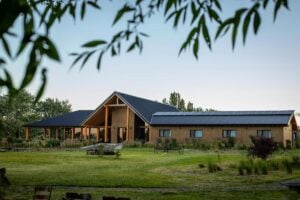
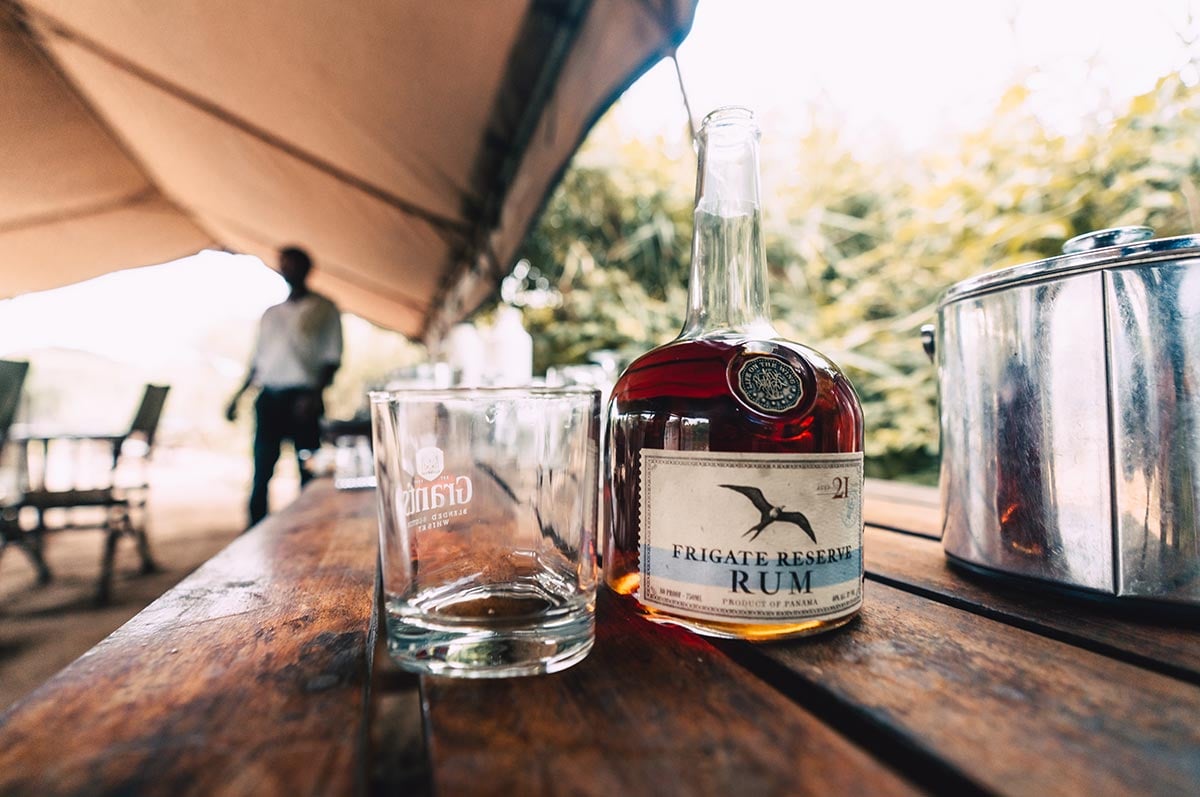
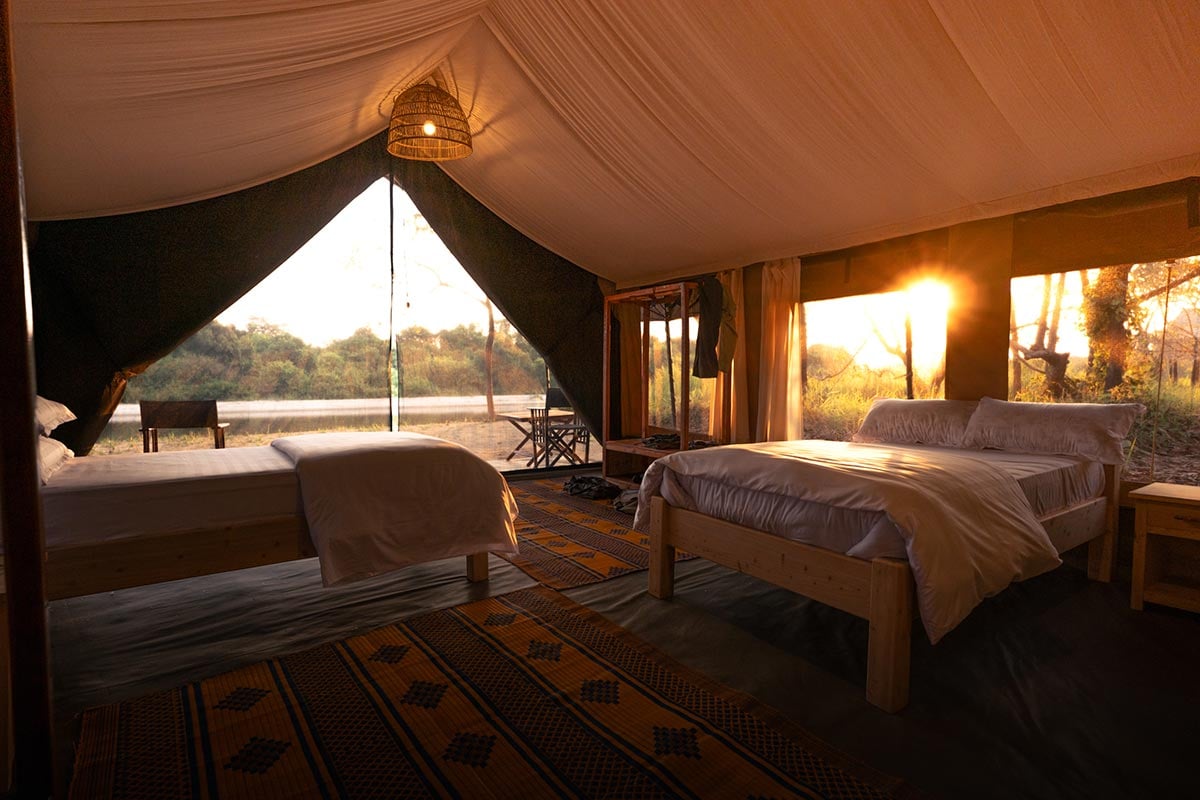
Camp life balances comfort and immersion. Dhala is set on the Mnyera and serves as the primary base with en suite safari tents, hot showers and a river view dining tent. Samaki on the Ruhudji is a rustic, off grid outpost with en suite tents that puts you close to the action and deep in the forest soundtrack. Meals are hearty and logistics are handled by a seasoned guide and camp team that lives this fishery season after season.
Safety, Conservation and Ethics
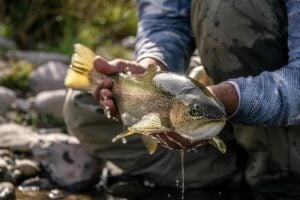
This is a true wilderness fishery with crocodiles and hippos present. Guides manage boat positioning and bank access and will direct casting angles and fish handling. All fishing is catch and release. Keep fish in the water for photos whenever possible, use single hooks and debarb when appropriate. Wire cutters and good handling discipline protect both anglers and fish.
Plan Your Trip
Most itineraries begin in Dar es Salaam with onward travel arranged by the outfitter to reach camp. A standard stay runs one week with six full fishing days split between the two rivers. Pack light and organized. Waterproof duffels, a compact day pack, spare lines and leaders, and a backup rod will keep you fishing if gear fails in the field. If you want the highest chance of connecting with a true trophy, align dates inside the August to November window and be ready to fish hard when conditions line up.
For dates, availability and a deeper look at the program, start here and plan your tigerfish fly fishing week at tigerfish fly fishing at Dhala and Samaki.