The Appeal of Freshwater Predator Fishing
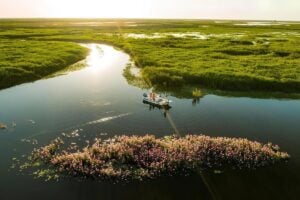
Freshwater predator fishing takes you to remote systems where apex species like taimen, dorado, or pike rule the food chain. These trips offer aggressive eats, big gear, and visual takes—whether you’re stripping streamers through jungle backwaters or swinging mice in Arctic rivers.
This style of fishing is raw, visual, and physically demanding. It often requires heavy rods, wire bite tippet, and pinpoint casts into logjams, undercuts, or mid-river lies. Predator fisheries are about intensity—watching a golden dorado hammer a fly at short range or seeing a taimen rise to crush a mouse on a wide Mongolian river.
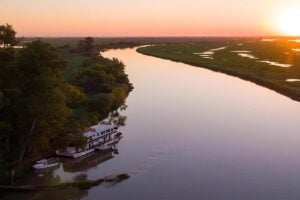
Lodge-based predator trips give anglers structured access to systems that are hard to reach or navigate alone. Jet boats, rafts, helicopters, and expert guides are often key to success. Whether you’re hunting a personal best or exploring a rarely fished watershed, predator-focused lodges deliver some of the most thrilling freshwater experiences in the sport.
Top Freshwater Predator Fishing Species
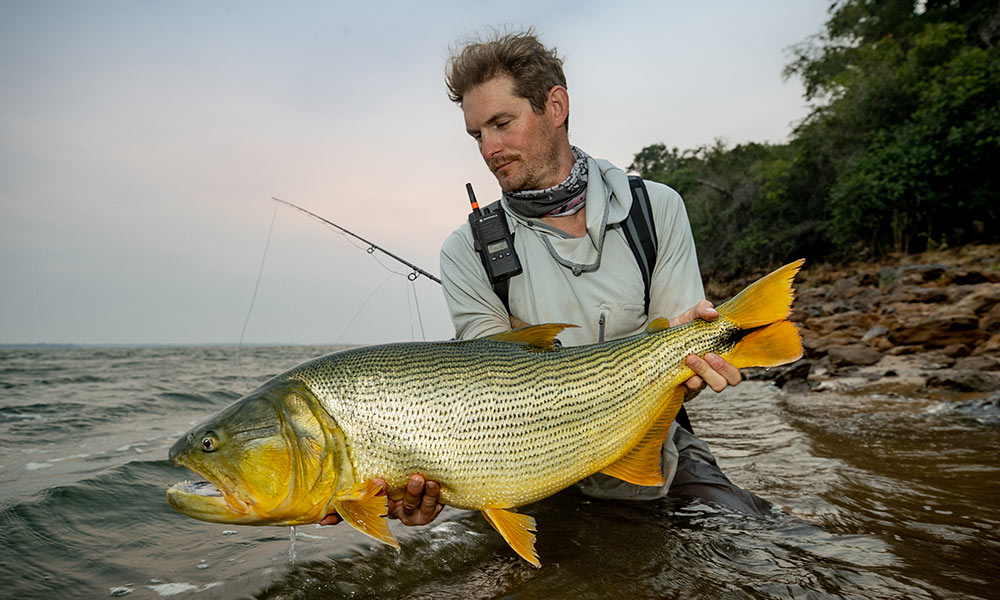
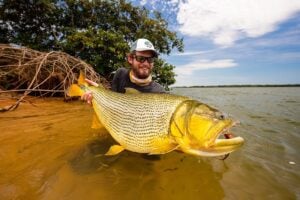
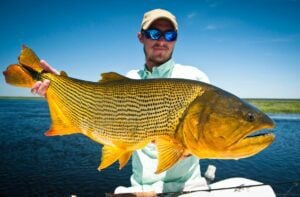
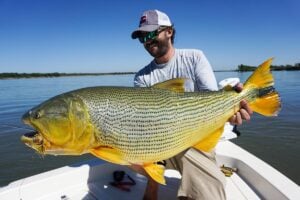
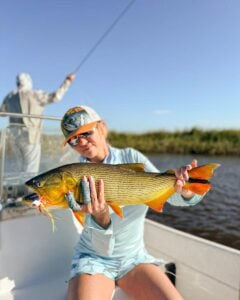
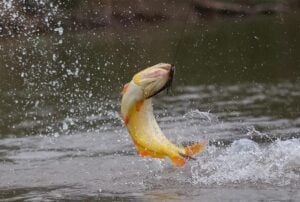
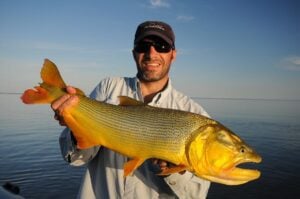
Golden Dorado – Jungle rivers and violent strikes
Argentina’s top freshwater predator. Powerful, fast, and aggressive—best targeted with heavy lines, short casts, and wire leaders.
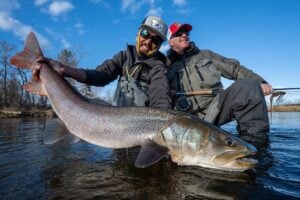
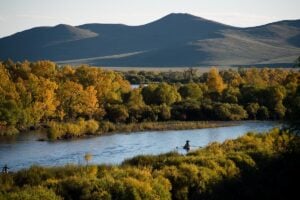
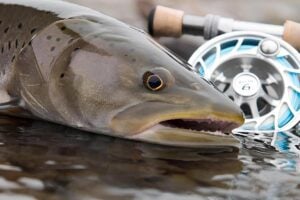
Taimen – Mongolia’s legendary surface predator
The largest member of the salmonid family. Often caught on mouse flies or streamers in remote northern rivers.
Pike – Visual ambush strikes in cold water
Common in North America and Europe. Cast to structure, drop-offs, or weed lines—expect aggressive eats and explosive runs.
Tigerfish – Africa’s most ferocious freshwater fish
Incredible speed, sharp teeth, and airborne strikes. Targeted with wire leaders and large baitfish imitations.
Sheefish – Arctic predator known as the “Tarpon of the North”
Found in remote Alaskan rivers. Heavy-bodied fish that chase streamers and hit hard—ideal for spey or single-hand rods.
Catfish – Bottom-oriented predators in big systems
Includes aggressive species like Surubí and African sharptooth catfish. Best fished with big flies, sinking lines, and strong gear.
Where and When to Plan a Freshwater Predator Fishing Trip
Argentina – Golden dorado and jungle river predators
Fishable year-round depending on region, with peak dry-season clarity from May to November. Floating lines and fast retrieves dominate.
Mongolia – The last great frontier for taimen
Season runs June to early September. Topwater action with mouse flies and long floats through untouched watersheds.
Alaska – Pike and sheefish in tundra systems
June to September. Target pike in weed beds and sheefish in glacial rivers. Raft-supported and fly-in trips offer best access.
Africa – Tigerfish and catfish in wild rivers
Peak season varies by river system. The best fishing aligns with stable flows and clear water. Wire leaders and fast sinking lines essential.
Europe – Pike and large predatory trout systems
Found in lakes and rivers across Scandinavia and Eastern Europe. Fall and spring offer best conditions for fly anglers.
Techniques Used in Freshwater Predator Fishing
Freshwater predator trips revolve around big flies, heavy leaders, and water-specific presentation styles. Techniques include:
- Streamer fishing – Stripped, swung, or dead-drifted with heavy sink-tips or intermediate lines. Big flies and aggressive retrieves are the norm.
- Mousing – Particularly effective for taimen and pike. Fished across surface seams or near structure at dawn, dusk, or night.
- Short-rod jungle casting – Used in dorado systems for close-range presentations near logs, banks, and current seams.
- Sight fishing – In clear water for species like pike or golden dorado. Accuracy and timing are key.
- Wire leaders and heavy tippet – Essential for toothy species like tigerfish and dorado. Most setups range from 30–60 lb shock tippet.
- Heavy gear – 8–10 wt rods standard. Fast-action rods paired with tropical or coldwater lines depending on region.
Freshwater Predator Fishing Lodges & Guided Trips
FishingExplora connects you with remote lodges that specialize in targeting apex freshwater species. These trips offer expert guides, well-equipped operations, and access to pristine systems that are rarely pressured. Whether you’re looking for a taimen float trip or a dorado jungle lodge, you’ll find experiences built around quality and intensity.
Frequently Asked Questions
What rod weight is best for freshwater predator fishing?
Most predator fisheries require 8–10 weight rods to cast large flies and fight powerful fish. Lighter rods (6–7 wt) may work for smaller pike or bass, but for species like dorado or tigerfish, heavier gear is standard.
What’s the best fly line setup for big streamers?
A full sink-tip or integrated shooting head is best for deep presentations. Intermediate lines work in slow water. For topwater, floating lines with short, aggressive tapers help turn over bulky patterns.
Can I use fluorocarbon for toothy predators?
For species like dorado and tigerfish, fluorocarbon is not enough. Use wire or heavy monofilament shock tippet (40–60 lb) to avoid bite-offs. Some anglers prefer knot-able wire for easier rigging.
Do I need a guide for remote predator trips?
In most predator systems—Mongolia, the Amazon, Africa—experienced guides are essential. They help with access, species behavior, fly selection, and navigating challenging conditions or logistics.
What’s a reliable connection knot for heavy shock tippet?
The Albright Knot or Slim Beauty are two strong, low-profile options for connecting heavy mono or wire to your leader. They pass through guides easily and are favored for predator setups.