The Appeal of Freshwater Fly Fishing
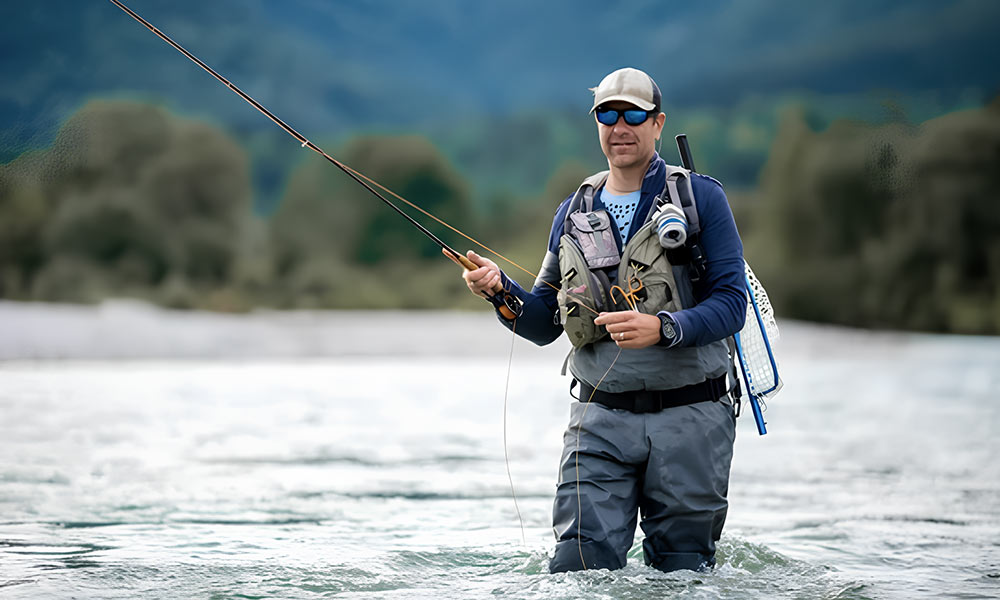
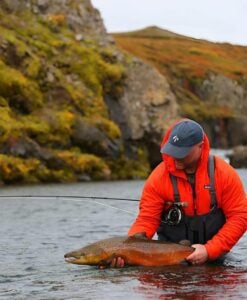
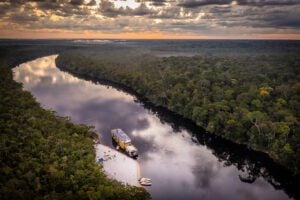
Freshwater fly fishing takes you into wild, often remote landscapes—glacier-fed rivers, high-altitude creeks, and jungle headwaters. It’s a style that rewards precision, water-reading, and seasonal timing, whether you’re casting dries to sipping trout or swinging streamers for predatory taimen.
Freshwater fly fishing is one of the most refined and versatile disciplines in the sport. It can be minimalist—just a rod, reel, and a few flies—or highly technical, depending on where you’re fishing and what you’re targeting. From backcountry rivers to jet boat-access fisheries, it offers endless variation in both setting and species.
Lodge-based freshwater fly trips give anglers access to some of the world’s most protected and productive waters, often supported by experienced guides who understand local entomology, flow dynamics, and fish behavior. Whether you’re looking for sight-casting opportunities or searching out migratory runs, the quality of experience hinges on timing, access, and presentation.
Top Freshwater Fly Fishing Species
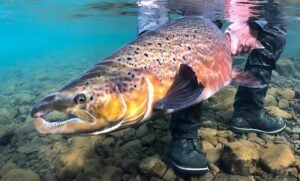
Trout – Creeks, spring creeks, and alpine lakes
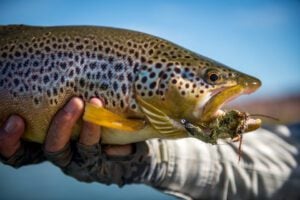
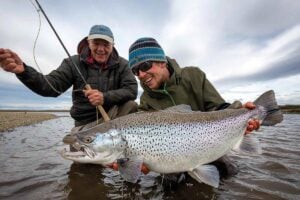
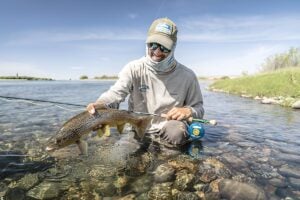
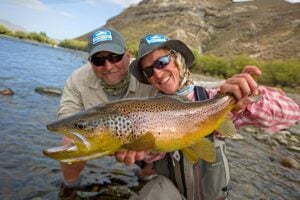
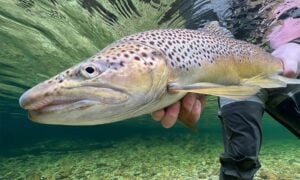
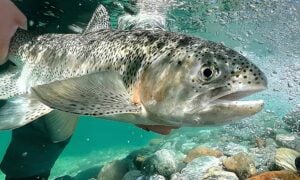
The cornerstone of freshwater fly fishing, including brown, rainbow, cutthroat, and brook trout across rivers, lakes, and spring creeks.
Grayling – Northern rivers and small dry flies
Dry-fly friendly species found in cold rivers throughout Alaska, Canada, and northern Europe—known for subtle takes and striking fins.
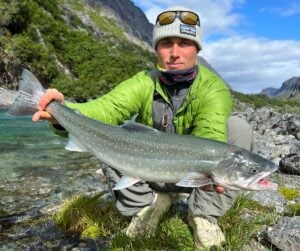
A group that includes Arctic char, brook trout, and Dolly Varden—typically found in remote northern or alpine systems.
Atlantic Salmon – Traditional rivers and swing tactics
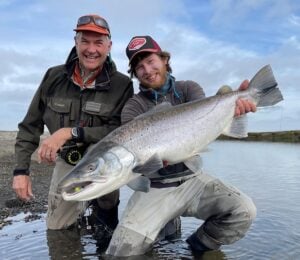
Prized for their power and elusiveness. Fished on famous European and Canadian rivers using classic fly presentations.
Pacific Salmon – Coho, Chinook, and seasonal runs
Targeted during spawning runs in rivers across Alaska and Canada. Coho are aggressive on fly; Chinook offer brute power.
Steelhead – Sea-run rainbows with aerial fights
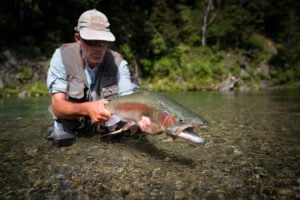
Return to freshwater rivers and are among the most challenging fly rod targets. Often fished with swung flies or nymphs.
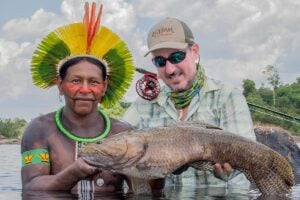
Taimen – Surface eats in Mongolia’s big rivers
Aggressive, surface-oriented, and often caught with oversized streamers or mouse patterns in large, remote rivers.
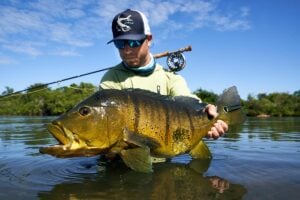
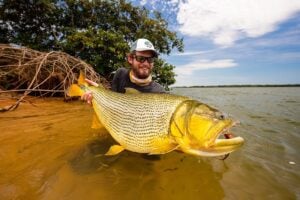
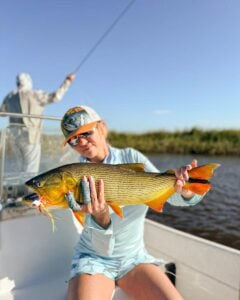
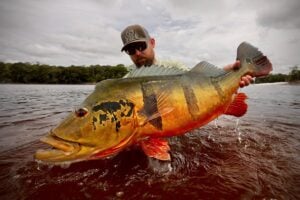
Golden Dorado – Jungle ambush predator on fly
Found in Argentina’s upper rivers—targeted with heavy gear, short casts, and wire tippet.
Where and When to Plan a Freshwater Fly Fishing Trip
Canada – Brook trout, char, and wild grayling
May to October. Trophy fishing in remote rivers and lakes, with peak dry fly action in midsummer and streamer opportunities in the fall.
Alaska – Salmon-fed rivers full of trout
June to September. Salmon runs fuel aggressive feeding by rainbow trout, dolly varden, and even rare sheefish.
Argentina – Patagonian rivers and big browns
November to April. Clear spring creeks and freestone rivers produce strong insect hatches and consistent sight-fishing.
Mongolia – Remote taimen rivers and float trips
June to early September. Short season, big water, and the chance to target taimen on surface flies in unpressured systems.
New Zealand – Clear rivers and sight-fishing
October to April. Sight-fishing for large, wary brown trout in pristine rivers—best from December through March.
Techniques Used in Freshwater Fly Fishing
Fly fishing techniques vary by season, species, and water type. Most trips rely on a combination of core methods, while certain destinations require specialized approaches tailored to local conditions.
- Dry fly fishing – Ideal during summer and fall hatches. Often used on spring creeks, slower runs, and clear water systems with rising fish.
- Nymphing – Highly effective year-round. Euro-nymphing and indicator rigs excel in riffles, seams, and deep pools where fish feed subsurface.
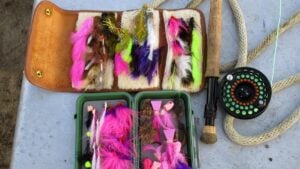
- Streamer fishing – Used in high flows, off-color water, or to target aggressive species like brown trout, taimen, and golden dorado.
- Mousing – A surface tactic using rod movement to imitate swimming rodents. Effective at night or low light in places like Alaska and Mongolia.
- Skating and waking flies – A traditional surface method for Atlantic salmon and steelhead in faster rivers. Involves swinging bushy flies across current.
- Dapping – A loch-style presentation where the fly bounces lightly on the water’s surface, often with the help of wind. Common in Ireland and Scotland.
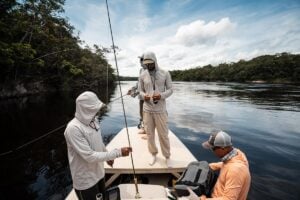
- Jungle river casting – Short, accurate presentations near structure using floating lines, wire tippet, and heavy streamers for golden dorado and similar species.
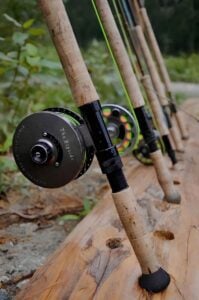
- Rod and line selection – Most fisheries call for 4–6 weight rods. Larger rivers, high wind, or big species may require 7–9 weights and sink-tip lines.
Freshwater Fly Fishing Lodges & Guided Trips
FishingExplora connects you directly with fly fishing lodges that specialize in high-quality freshwater fly fishing experiences. Whether you’re floating a Patagonian river, hiking into a New Zealand backcountry stream, or fishing Alaska’s tundra creeks by raft, you’ll find handpicked destinations offering expert guides, strong seasonal timing, and world-class fishing.
Frequently Asked Questions
What fly line setups are best for mixed dry fly and streamer use?
A weight-forward floating line with an aggressive taper covers most dry fly and streamer situations. For larger rivers, integrated sink-tips or a two-line system (floating + sink-tip) helps adapt quickly to changing water types.
How should I adjust my technique in glacial vs spring-fed rivers?
Glacial rivers often require heavier flies, more weight, and faster retrieves due to current and turbidity. Spring creeks demand lighter tippets, precise drifts, and subtle presentations—often with long leaders and smaller flies.
What leader setup works best for long-range sight fishing?
In clear water, use a long tapered leader (12–18 ft) with fine tippet and minimal drag. Use low-memory mono and practice water-loading or roll casts to avoid spooking fish or collapsing your presentation.
What are the best travel rod setups for multi-country trips?
A 5-weight travel rod covers most trout and grayling fisheries. For bigger rivers or wind, add a 6–7 weight. Four-piece or six-piece rods with a medium-fast action provide a balance of portability and control.
What’s a reliable knot for tying tippet to the fly?
The Improved Clinch Knot is one of the most widely used and easy-to-tie knots for connecting tippet to the fly. It works well with most fly sizes and tippet materials, and holds reliably even with cold hands or in low-light conditions. For more movement, some anglers prefer a non-slip loop knot when fishing streamers.