New Zealand is a pilgrimage destination for sight‑fishing purists. Crystal water, wary trout, and long walking beats create a style of angling that rewards stealth and precision. This guide orients you to the country’s marquee regions on both islands, explains the best times to visit, and highlights four standout lodges that make high‑end trips smooth from arrival to last cast.
Why New Zealand Belongs on Every Angler’s Short List
Picture clear freestone rivers and spring creeks where you can watch a single trout feeding in knee‑deep water, then make one careful cast that settles like thistledown. That is a normal day here. Most rivers are managed with a strong conservation ethos, access is generally straightforward, and a network of professional guides helps you match conditions and flows.
The culture of sight fishing is baked in, which means fish are often fewer, larger, and highly educated.
Success usually comes from good stalking, a long leader, and a perfect first presentation rather than endless blind casting.
North Island Fly Fishing: Taupō and the Tongariro
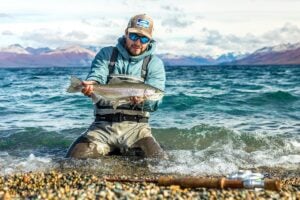
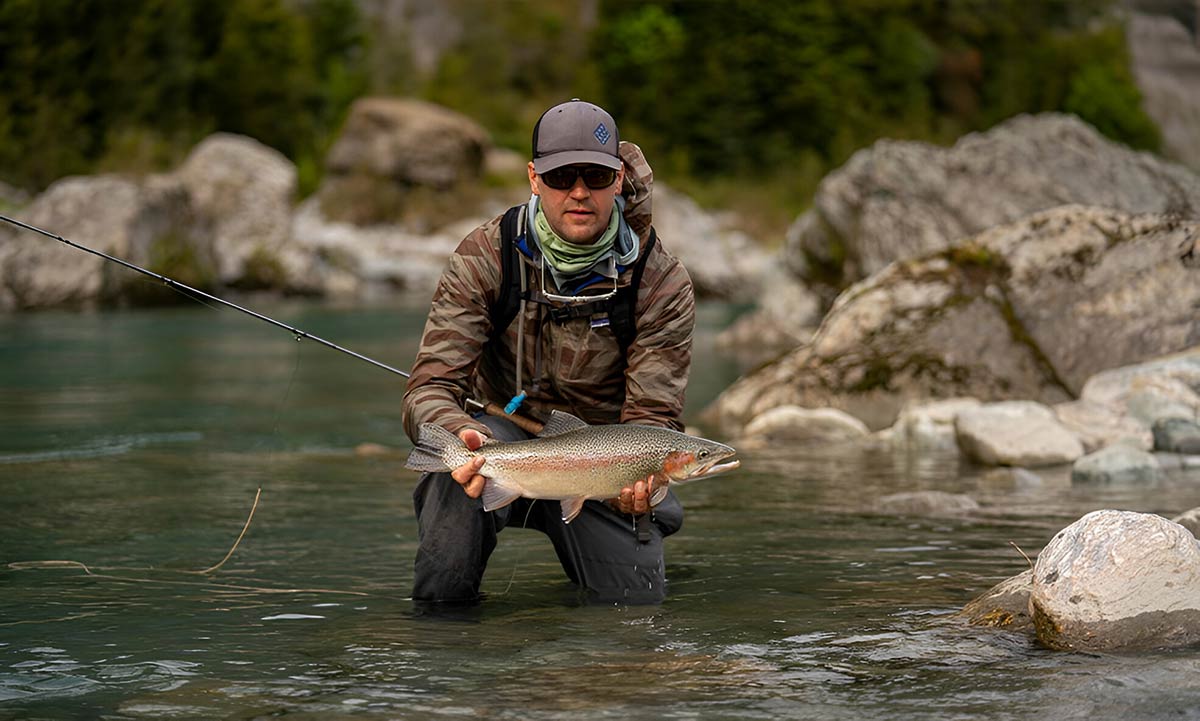
The Central Plateau is home to New Zealand’s most famous winter and shoulder‑season fishery. The Tongariro River has a global reputation for accessible pools, broad swing water, and classic nymphing lanes. In winter and spring, lake‑run rainbows surge into the system and reward anglers who can read heavier flows and present bigger nymphs or swung streamers.
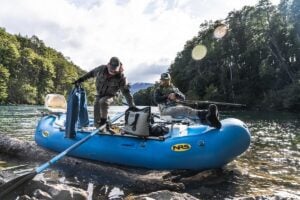
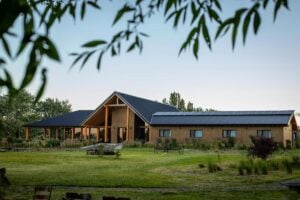
Tongariro Lodge sits on the river in Tūrangi and provides year‑round access to a network of rivers and lakes, plus rafting, boating, and helicopter options when conditions call for a move.
Nearby in the hills between Taupō and Napier, Poronui Lodge anchors an enormous private estate with walk‑and‑wade streams, 4WD access to remote valleys, and heli drops into backcountry water. When the cicadas are singing, this region offers a blend of technical sight fishing and classic dry‑fly days that stay in the memory.

South Island Fly Fishing: Nelson, Tasman, and the West Coast
The Top of the South is a mosaic of freestones and spring creeks that hold large, moody brown trout. Water clarity can be astonishing, which magnifies both the thrill and the pressure. Here the game is long leaders, careful wading, and a first cast that lands with purpose.
Eleven Owen River Lodge places you close to a belt of productive rivers across Nelson and Tasman, with quick road access to dozens of fisheries and the option to charter a helicopter when the weather suggests pushing deeper into the backcountry. From the opening days of October through late summer, anglers divide their time between small mayflies, slim caddis patterns, and high‑summer dries. On the right day a single well‑placed cicada can settle every debate.
Southern Alps Heli Fishing: Wānaka, Makarora, and Mt Aspiring
Further south the landscape sharpens into glacier‑cut valleys and high country tussock. Rivers push through boulder gardens and gin‑clear gorges, and long walking beats are the standard. Eleven Cedar Lodge sits riverside in the Makarora Valley with a helipad on site, which means your day can start with coffee in hand and a lift into the Southern Alps before the sun kisses the peaks.
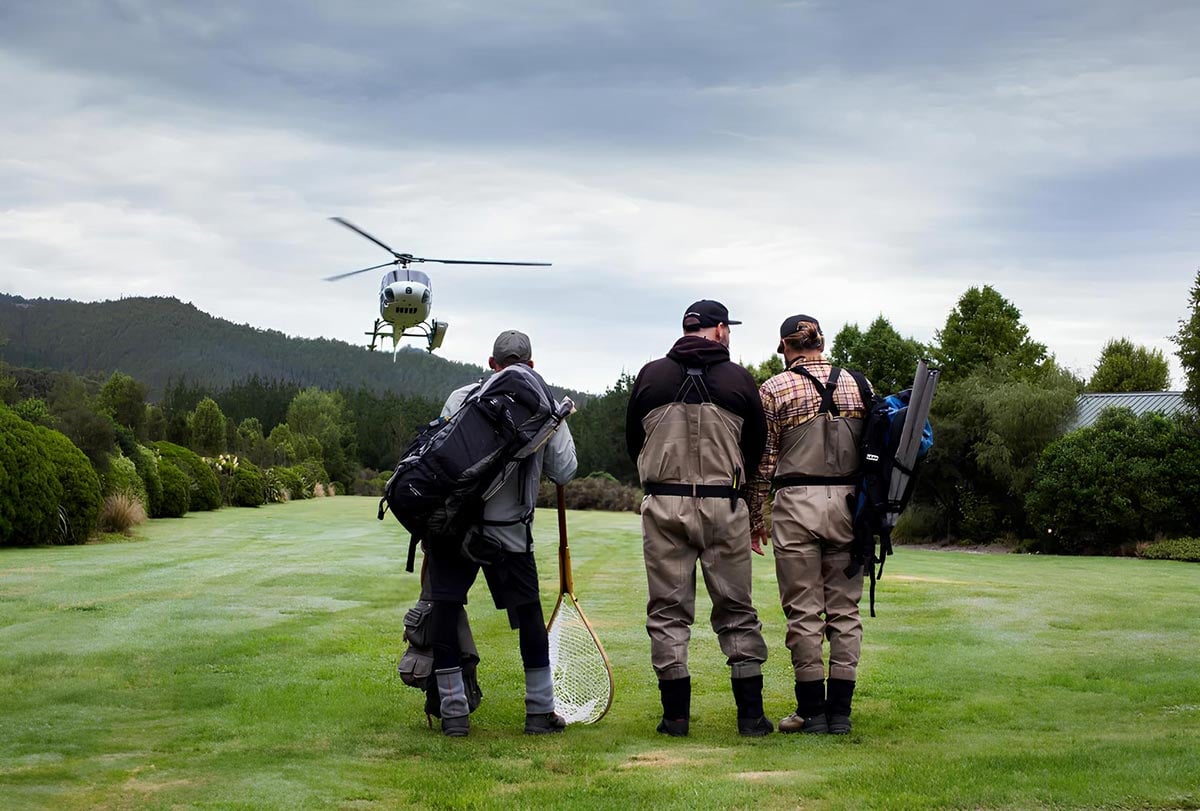
Heli fishing is not a gimmick here. It is a highly practical way to reach water that is otherwise locked behind terrain or time. Most days combine long visual stalks, big‑dry eats during the cicada window, and sight‑nymphing when fish are glued to the bottom. On calm afternoons you can sometimes watch a brown drift two rod lengths to inspect a terrestrial before committing.
Fly Fishing for New Zealand Trout Species
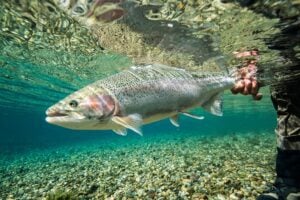
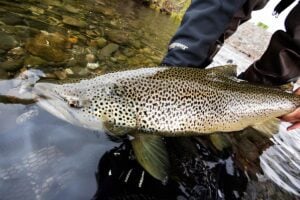
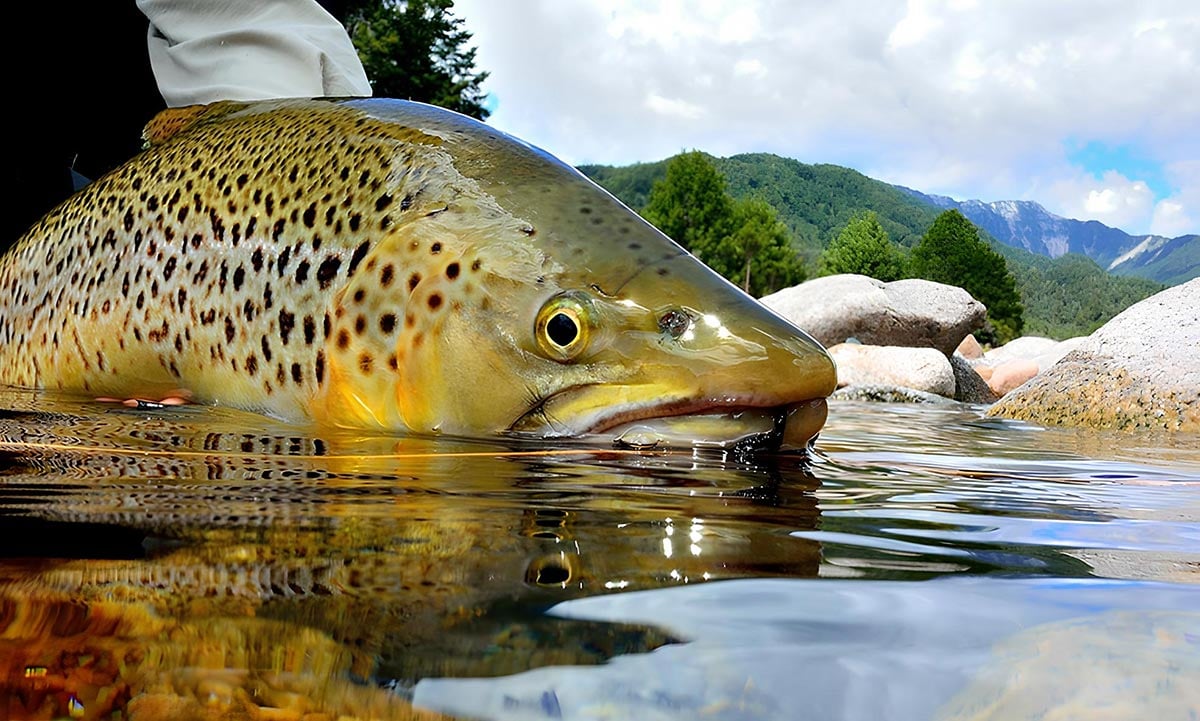
Brown trout are the headline across much of the country. They are wary, often solitary, and can reach trophy size in the backcountry. Sea‑run browns gather near river mouths in certain systems, turning silver and strong on the tide. Rainbow trout are well distributed on both islands and are known for acrobatic fights and steady growth where lakes and large rivers give them room. Chinook salmon, known locally as quinnat, occur in select South Island rivers and a few lakes. Their timing is variable by catchment, and while they are not the primary draw for most visitors, they offer an added layer of possibility during late summer.
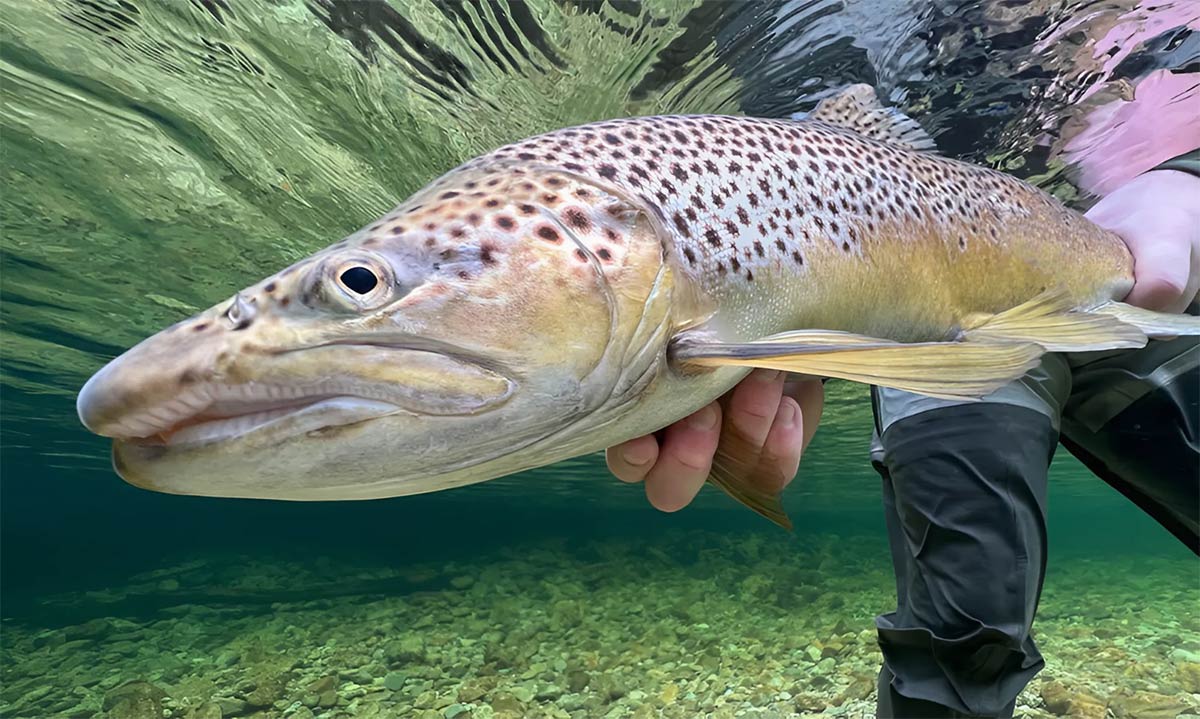
The freshwater season opens widely in October, when spring flows settle and trout feed hard after winter. Early season brings strong nymphing and rising fish on small dries, especially on sunny afternoons. High summer from December through February is the terrestrial show. Green beetles kick things off, cicadas buzz through mid‑summer, and willow‑grub feeders demand tiny patterns and faultless drifts on lowland streams. March and April are beloved for stable flows, cool mornings, and consistent dry‑dropper fishing in both islands. Winter is not a shutdown. While many South Island rivers close, the Taupō fishery on the North Island fires up with lake‑run rainbows and browns that move into tributaries such as the Tongariro through the colder months.
Tactics
Approach matters more here than almost anywhere. Plan to fish upstream, keep a low profile, and slow your movements until they feel exaggerated. A 9‑foot 5 or 6 weight covers most situations, with a 7 weight reserved for wind or larger streamers. Weight‑forward floating lines are the standard. Leaders of 12 to 16 feet give you the necessary separation, tapering to 4X or 5X for clear water dry‑fly work.
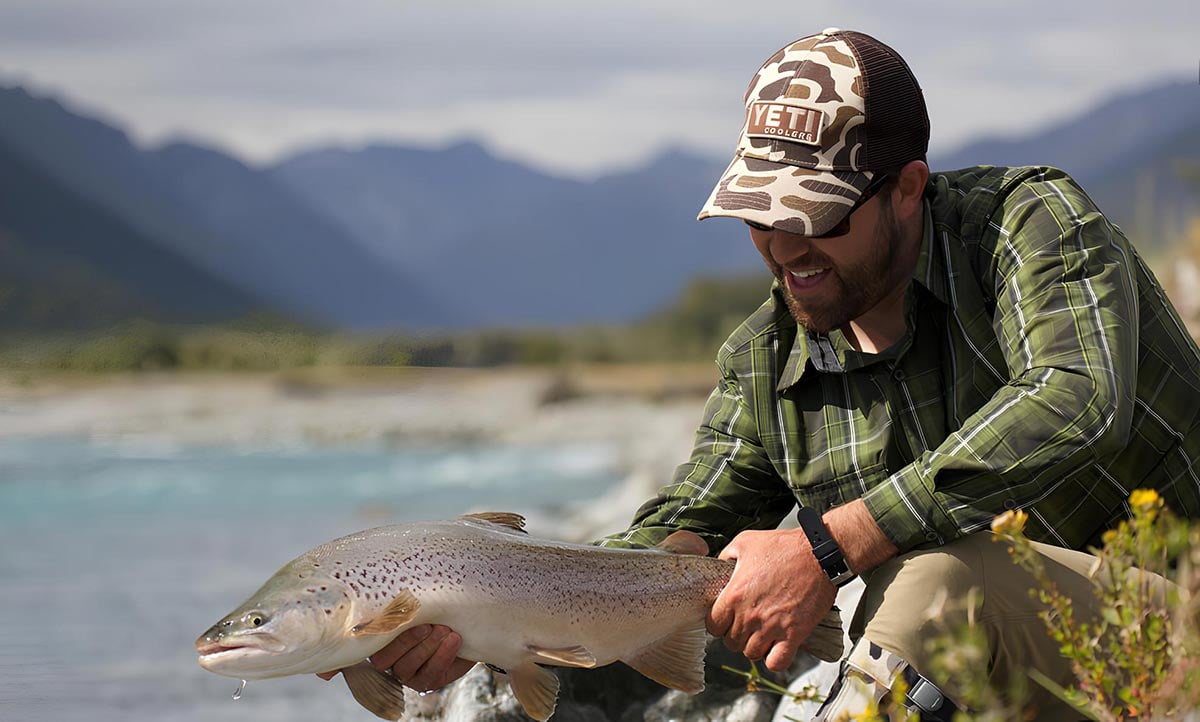
Early season favors compact mayfly and caddis nymphs. Summer is the domain of terrestrials, from green beetles early to cicadas through mid‑season, while willow‑grub sippers on lowland streams require small, subtle patterns and perfect drifts. In the Taupō system during winter, think heavier nymphs, indicators when appropriate, and swung streamers in the softer edges of the current.
Practical tips that matter here
- Casting discipline: You will often get a single high-quality shot. Practice accurate 40–50 ft presentations with a long leader and a reach mend.
- Leaders and tippet: 12–16 ft leaders tapering to 4X–5X for dry or dry-dropper in clear water. Step up when swinging or streamer fishing winter runs.
- Footwork: Move slow, fish upstream, and keep a low profile.
Licenses, Access, and Biosecurity Requirements
Most New Zealand freshwater is managed by Fish and Game regions that share a national license system. The Taupō district is the outlier. It is administered separately, with its own license and season dates, so anglers planning to fish the Tongariro or Lake Rotoaira should purchase the correct permit in advance. Backcountry pressure is managed through a Designated Waters Licence in several regions, and a few marquee rivers operate Controlled Fishery periods during peak months that require advance beat bookings. Biosecurity is taken seriously across the country.
All freshwater gear should arrive clean and completely dry, and anglers must follow the Check, Clean, Dry protocol when moving between catchments. Felt‑soled boots are prohibited nationwide for freshwater fishing, so pack rubber soles with good grip and consider studs for the bouldery freestones of the South Island.
New Zealand’s rivers rise and fall quickly with rain or snowmelt. If a crossing feels uncertain, choose another route or another river. Respect private land, follow signage, and close gates behind you. Beat systems exist on a few waters to reduce crowding, and simple river etiquette goes a long way. Give other anglers space, communicate clearly about direction of travel, and treat fish with care. A fast hook set, a decisive fight on appropriately strong tippet, and a brief recovery keep trout healthy for the next angler.
New Zealand Fly Fishing Lodges
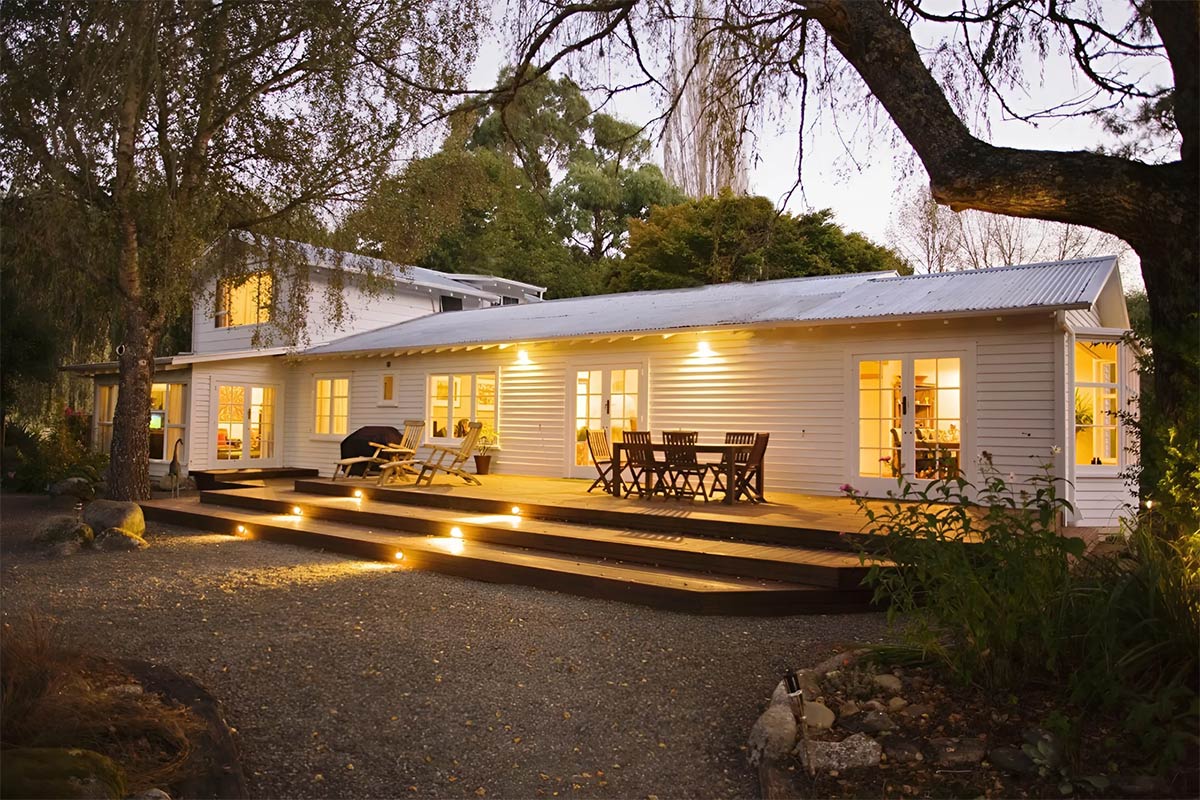
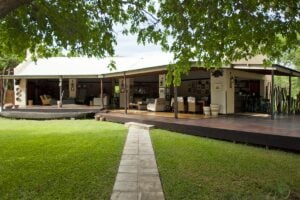
Eleven Owen River Lodge is a refined North‑of‑the‑Alps base with swift access to a wide constellation of brown trout rivers and spring creeks. The guiding program is built for condition‑based flexibility, which means you can pivot quickly when a West Coast front changes the plan.
Eleven Owen River Lodge, New Zealand
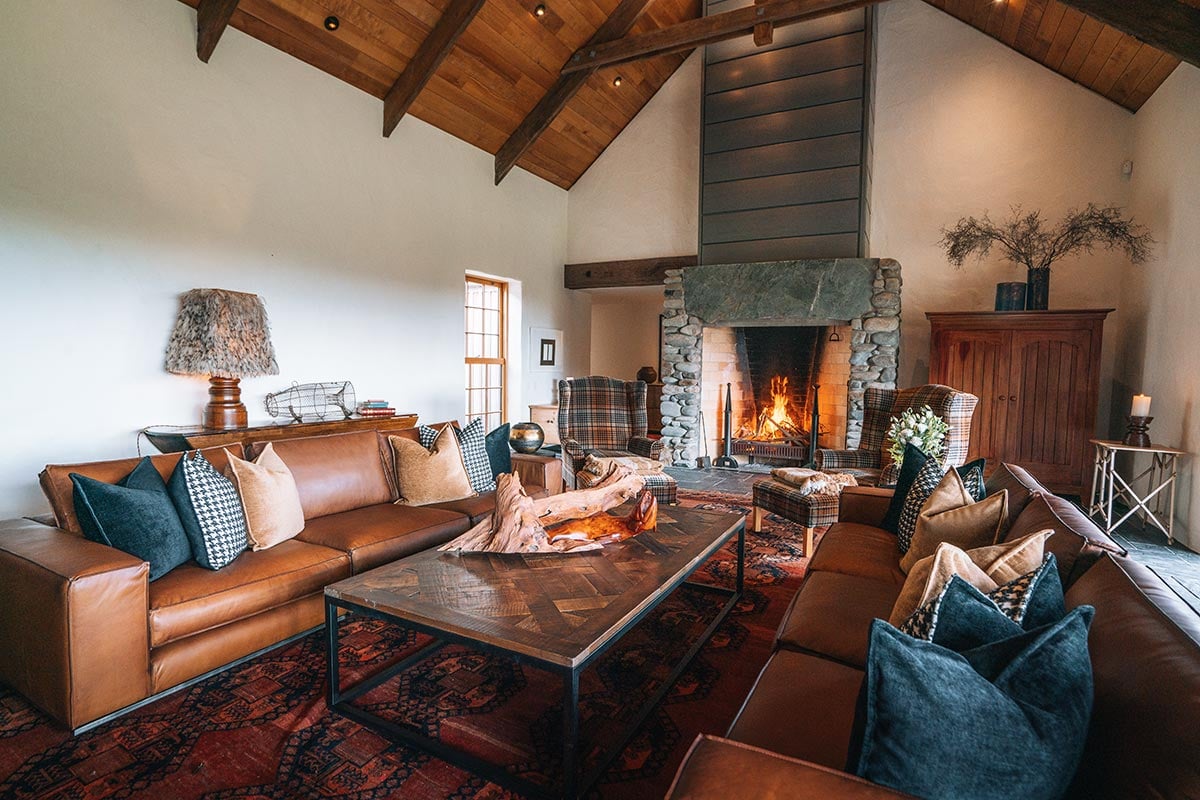
Poronui Lodge sits in the Taharua Valley on a vast private station that feels like its own world. Combine private water with backcountry foot missions or use the helicopter to land on a remote ridge and drop into a river you will likely have to yourselves.
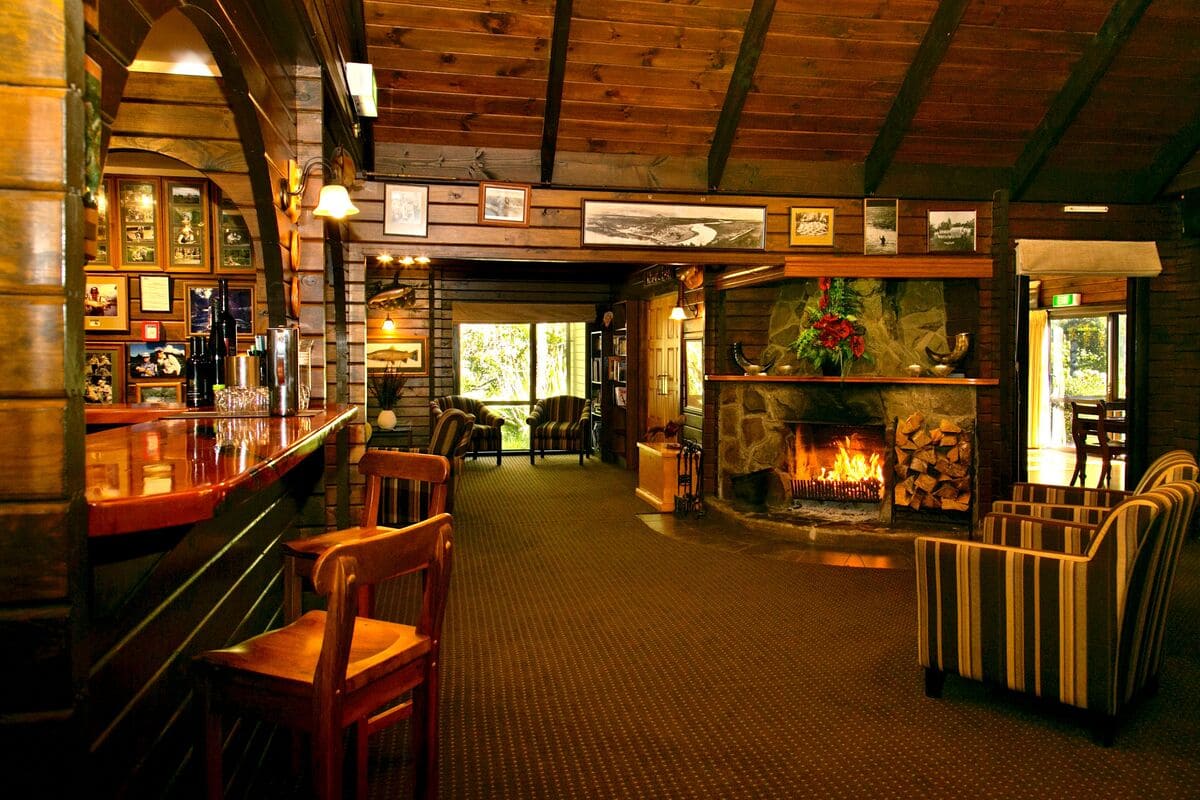
Tongariro Lodge in Tūrangi is the classic address on the river that gives it its name. If you want the archetypal Taupō winter experience with lake‑run rainbows, this is the front door.
Tongariro Lodge, Trout Fishing New Zealand
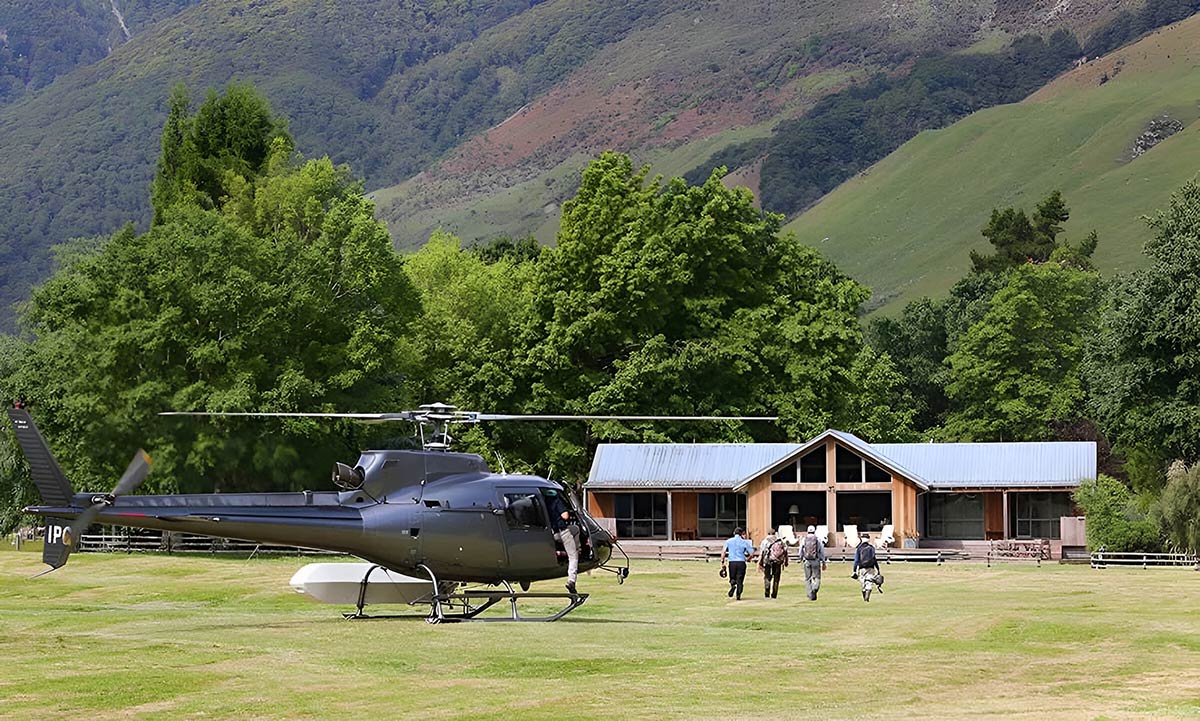
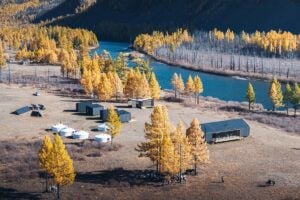
Eleven Cedar Lodge in the Makarora Valley is small, personal, and set up for a fly‑out day that begins and ends with a short stroll to the helipad. It is the quintessential Southern Alps experience that pairs world‑class fishing with cinematic scenery.
Eleven Cedar Lodge – Heli Trout Fishing NZ
Sample New Zealand Fly Fishing Itineraries
A high‑summer South Island journey often begins with four or five nights at Owen River Lodge, where you can work a mix of freestones and spring creeks and chase large browns on dries. From there, a short flight or scenic drive carries you to Eleven Cedar Lodge for three or four nights of heli‑assisted exploration in the Southern Alps during the cicada window. The combination lets you compare two distinct personalities of South Island fly fishing while keeping travel time efficient.
For a winter or early spring program on the North Island, set up in Tūrangi for four to six nights and fish the Tongariro and its neighbors as pulses of fresh rainbows move upstream. Add a day or two at Poronui to explore private estate water or plan a backcountry day when flows and wind line up.
Travel Tips
International arrivals typically route through Auckland for the North Island or Queenstown for the South Island. For the Top of the South, Nelson or Blenheim are convenient. Driving is on the left, roads are winding and scenic, and weather can change quickly in the mountains, so build time buffers into your plan. Pack a compact but thoughtful kit that includes a breathable rain shell, insulating layers for cool mornings, polarized glasses, sun protection, and quick‑dry pants that handle long walks and the occasional bushwhack. Rubber‑soled wading boots are mandatory, and a lightweight collapsible staff can make tricky crossings feel routine.
What to pack:
- 9 ft 5–6 wt, plus a 7 wt for wind or streamers
- Rubber‑soled wading boots, no felt
- Polarized glasses, sun and rain layers, quick‑dry pants
- Compact fly box with beetles, cicadas, small mayflies, caddis, willow‑grub patterns
- Lightweight wading staff for freestone crossings
Plan Your Trip
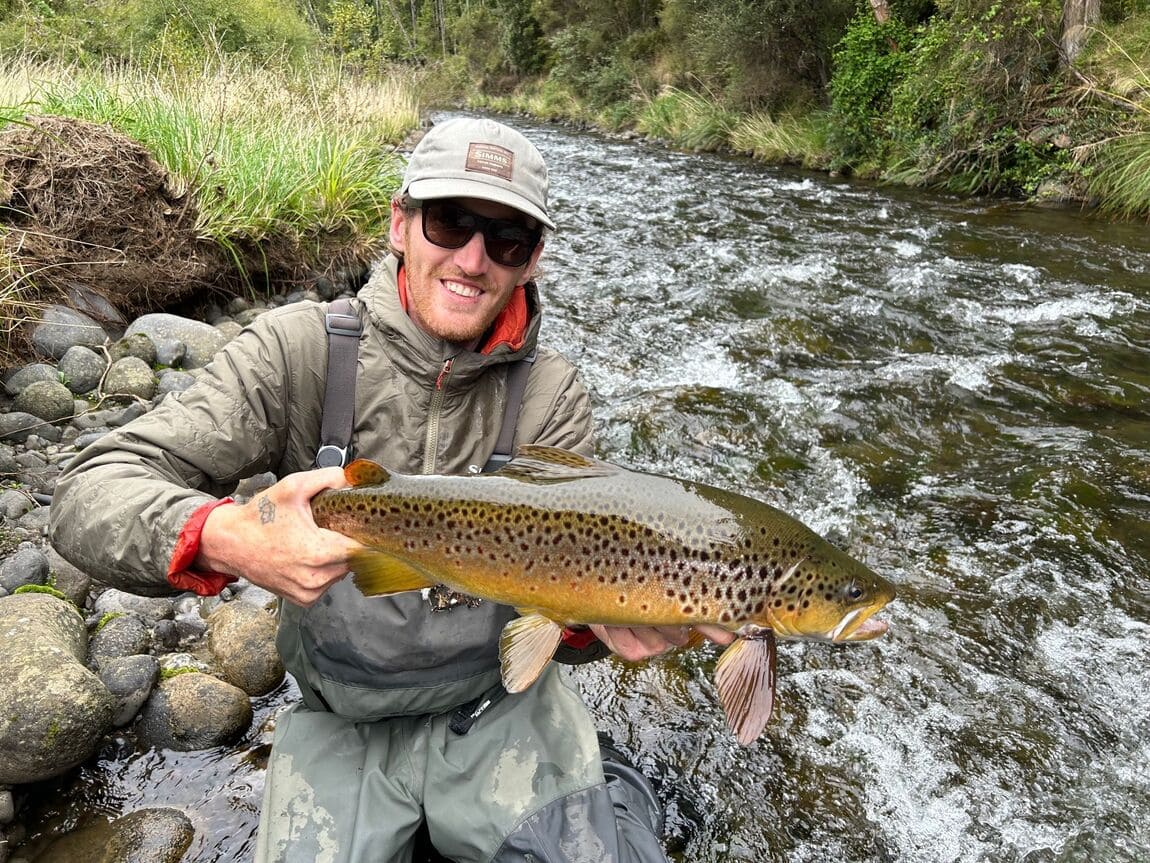
New Zealand rewards preparation and rewards curiosity. Decide what kind of experience you want, whether it is winter runs on the Tongariro, summer terrestrials in the Top of the South, or a helicopter‑supported deep dive into the Southern Alps. The lodges highlighted here make logistics easy and put you in the right water at the right time.
October–November (spring opener)
Rivers re‑open and fish feed actively as flows settle. Sight‑nymphing and smaller dries can be superb on both islands.
December–February (high summer)
The terrestrial game turns on. Green mānuka beetles start in December, cicadas peak mid‑summer, and willow‑grub sippers can get technical on lowland streams. Long leaders, accurate first shots.
March–April (late summer into early autumn)
Stable flows, cool mornings, and consistent mayfly and caddis activity. A favourite window for dry‑dropper on pressured fish.
May–September (winter options)
Many South Island rivers close, but Taupō tributaries fish through winter for lake‑run rainbows and browns. It’s the iconic Tongariro time.
When you are ready to build your itinerary, align your dates with the seasonal windows that match your goals, secure the correct licenses, and arrive with clean, dry gear and a willingness to walk. The rest is a long leader, a calm first cast, and the bright shape of a trout sliding from the bank to eat your fly.