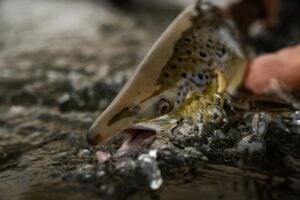
In Lesotho, rivers spring cold from alpine valleys, twisting through stone gorges and highland meadows where shepherds still move with the seasons. The water is clear, the air thin, and the fish are unlike any other: yellowfish, one of the continent’s most exciting freshwater species to chase on a fly.

To stand mid-stream in Lesotho is to feel remote in the best possible way. No roads buzzing nearby. No safari crowds. Just a river system alive with wild brown trout, rainbows, and the native yellowfish that thrive in its runs and tailouts. For the traveling fly fisherman, the question isn’t only “Where to fish in Lesotho?” but also “Why here, out of all the incredible places to fish in Africa?” The answer comes as much from the landscape as from the fish.
Why Lesotho Belongs on the Fly Fishing Map
Across Southern Africa, rivers often run warm and turbid, better suited for catfish or tilapia than cold-water species. Lesotho is different. Its altitude—much of the country sits above 6,000 feet—creates streams more reminiscent of alpine trout water than anything typically associated with Africa.
That uniqueness is why yellowfish have become so sought-after. Sight-casting to them on dry flies in skinny water feels closer to fishing New Zealand than to the continent most people imagine.
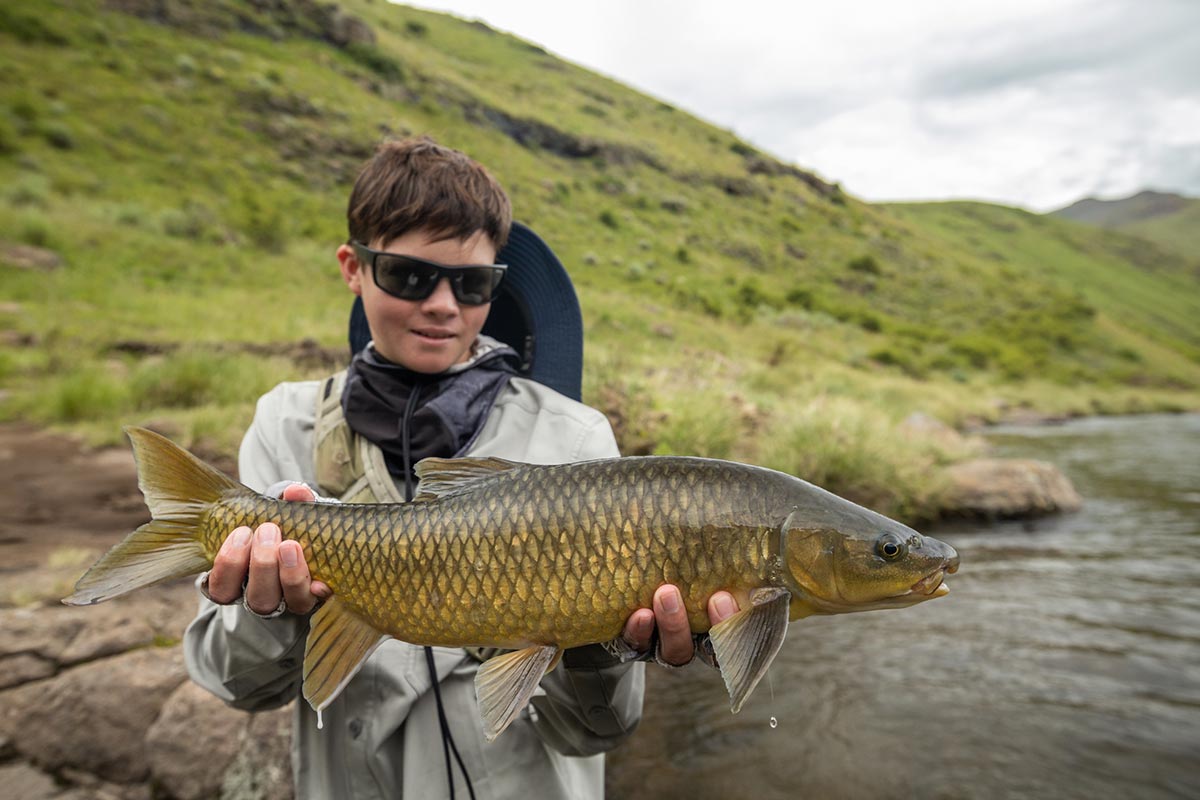
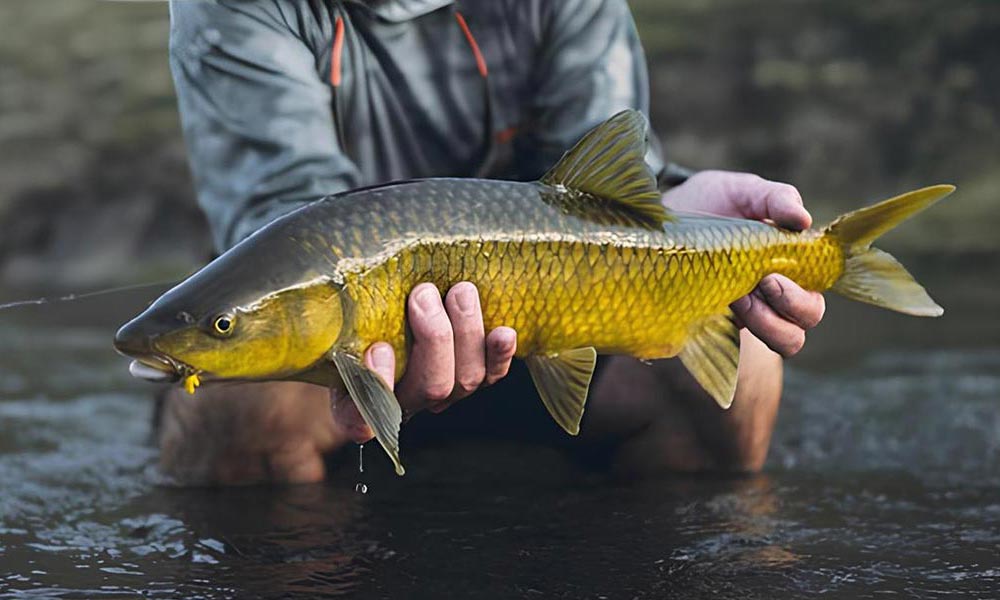
Yellowfish themselves occupy a rare niche. They’re strong, smart, and uncommonly visual feeders. Casts must be precise. Presentations must be quiet. A misstep in the current or a sloppy line hit will send them ghosting off into the depths. It’s technical fishing at its finest, demanding the kind of patience and discipline usually reserved for trout in the world’s most selective rivers.
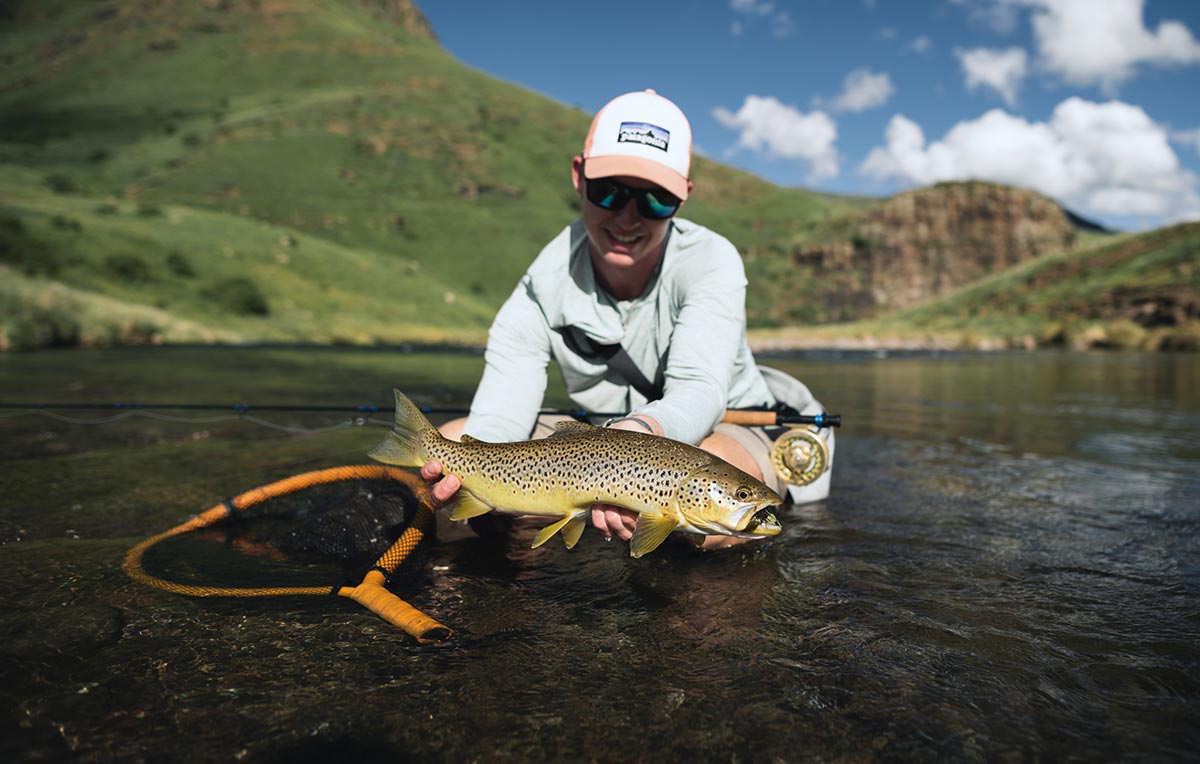
Add in the possibility of a wild brown or rainbow rising in the same pool, and every drift becomes a study in anticipation.
When to Go: Seasons in the Mountain Kingdom
The prime season for fly fishing in Lesotho stretches from November through March. These months bring warmer temperatures that draw yellowfish into the shallows where they can be targeted with dries. Early season is often about aggressive fish in fast water; later, as rains shift flows and trout move upriver, the game broadens to include deep pools and more deliberate nymphing.
Unlike many African fisheries that remain relatively constant year-round, Lesotho is highly seasonal. The rivers can rise suddenly with summer storms, and clarity changes quickly.
Planning around timing is central to success. This is why travelers often search for Lesotho fly fishing season before anything else. The mountain kingdom rewards those who come prepared.
Techniques & Tactics: How You Fish the Highlands
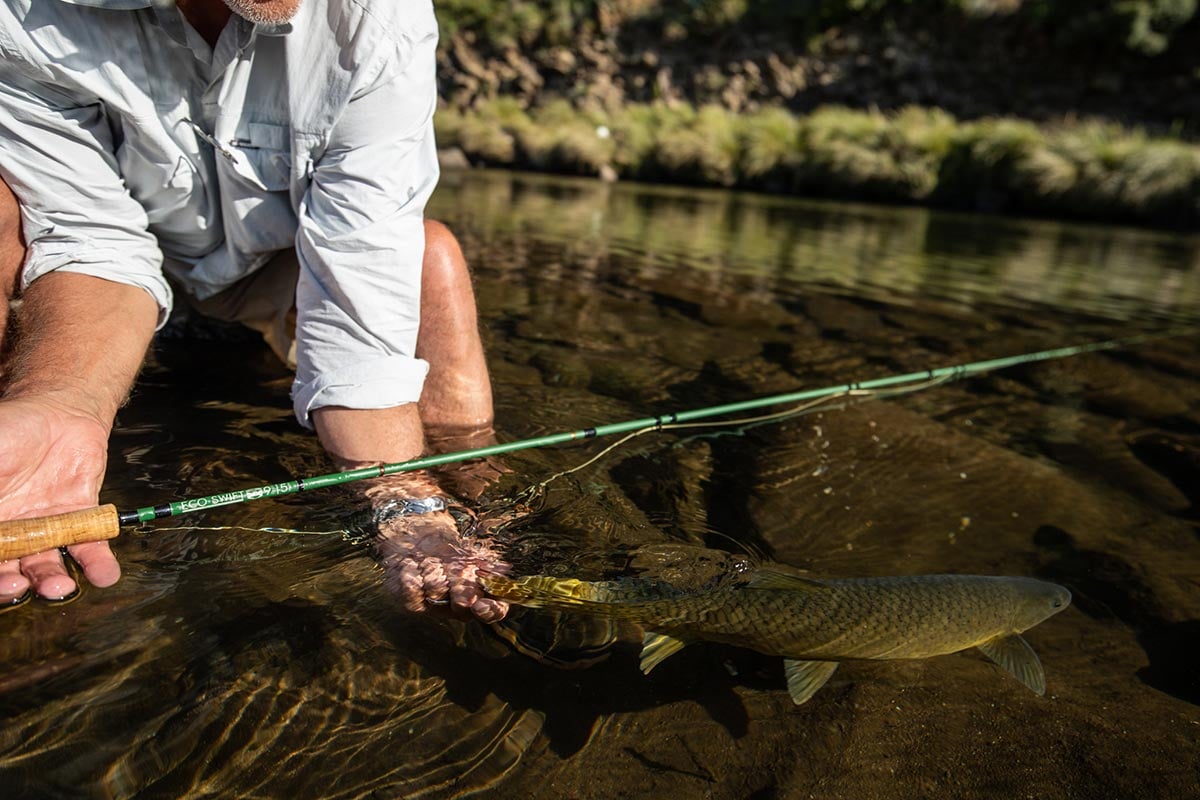
Lesotho isn’t a place where you drift lazily in a boat all day. The rivers here demand movement. Most fishing is done on foot, stalking banks and runs where yellowfish feed visibly. Wet-wading becomes second nature; you’ll often spend entire days stepping carefully from rock to rock, scanning for the subtle shadow of a fish holding in shallow current.
Dry flies are the crown jewel in this fishery. Few experiences rival watching a yellowfish rise in skinny water to a parachute or terrestrial pattern. That said, conditions shift fast. A heavy rain can turn a glassy run into pocket water overnight, bringing nymphs and streamers into play.
In the back-eddies and deeper pools, strong browns and rainbows test a fisherman’s ability to switch gears and think beyond the obvious.
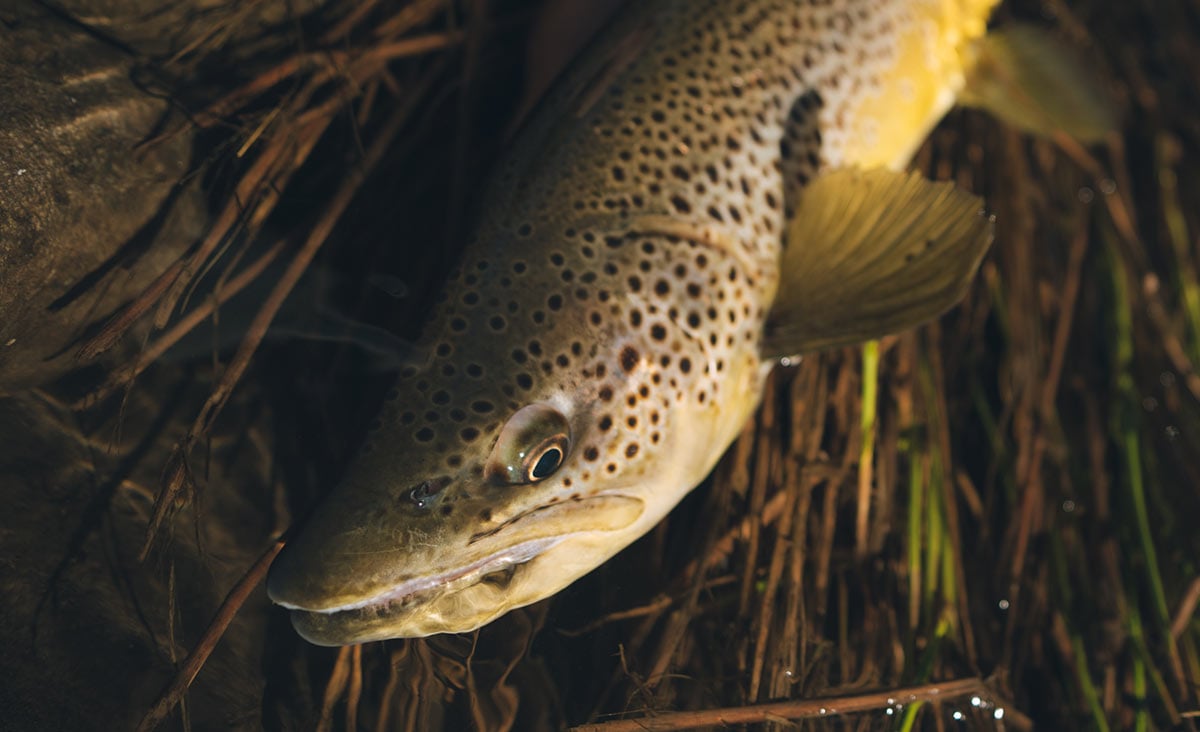
Unlike species that chase aggressively no matter the presentation, yellowfish are cautious and deliberate. It’s the kind of fishing that rewards patience, precise casting, and adapting your approach moment by moment.
Comparing Lesotho vs Other African Fishing Destinations
When fly fishermen talk about Africa, conversations often circle around tigerfish on the Zambezi and similar rivers. Those destinations offer adrenaline and aggression. Lesotho offers precision.
This fishery is less about violent strikes and more about visual stalking. You’re not slamming big streamers into deep runs hoping for an explosion—you’re reading the water the way a spring creek purist would, making delicate casts, and holding your breath while a fish decides whether or not to take.
For anglers who have fished saltwater flats in the Bahamas or New Zealand’s backcountry streams, Lesotho almost feels like a hybrid of both—tropical sunshine and alpine rivers, subtle presentations with the raw backdrop of Southern Africa.
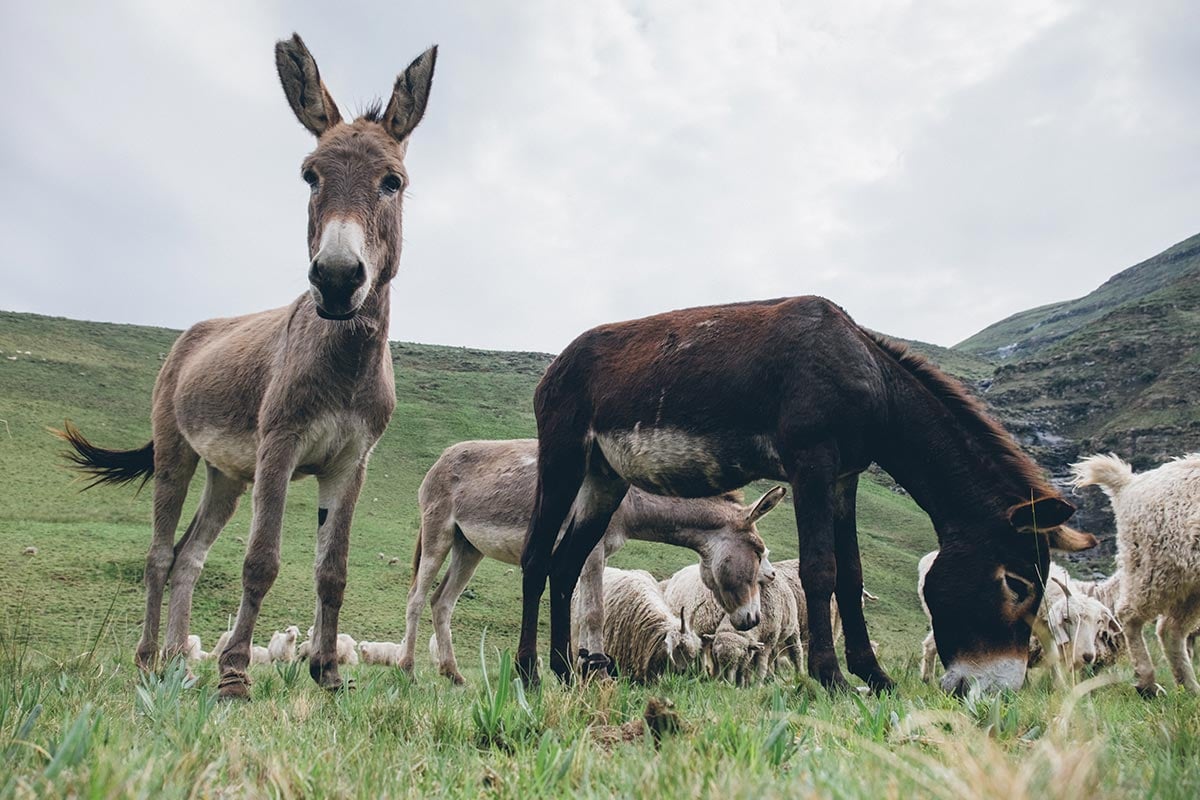
Part of the draw here isn’t just the fishing—it’s the people and the landscape that frame it. Lesotho is known as the “Mountain Kingdom,” and life here still moves at a pace dictated by the land.
Herds of sheep and goats graze the hillsides. Villages built from stone and thatch dot the valleys. Walking to and from the river, you’re just as likely to cross paths with a Basotho herder on horseback as with another fisherman.
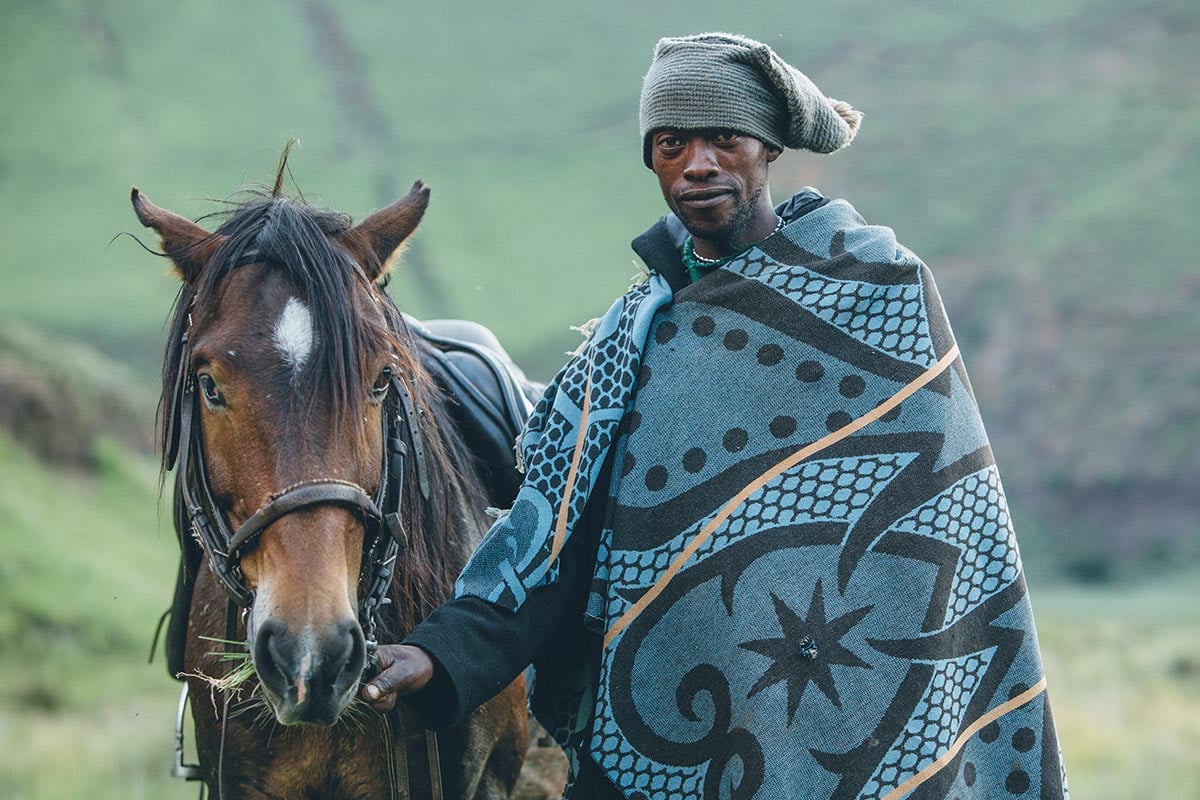
For travelers used to lodges on saltwater flats or trout operations in the Northern Hemisphere, this feels refreshingly unique. The experience is elemental: stone, water, sky, and community. Staying in the African highlands means stepping into a rhythm of life that hasn’t changed much for centuries, and that sense of authenticity becomes as memorable as the fish themselves.
Where to Stay
After a few days in the highlands, the pattern starts to settle into you. The rivers are quiet in the morning, mist curling off the surface as the sun edges above the peaks. By midday, the light cuts clear through the current and you can see yellowfish sliding across gravel bars like shadows. Evenings bring a cooling wind, campfire smoke, and the kind of tired satisfaction that only comes from fishing water that makes you work for every take.
Yellowfish Camp – Lesotho’s Highland Outpost
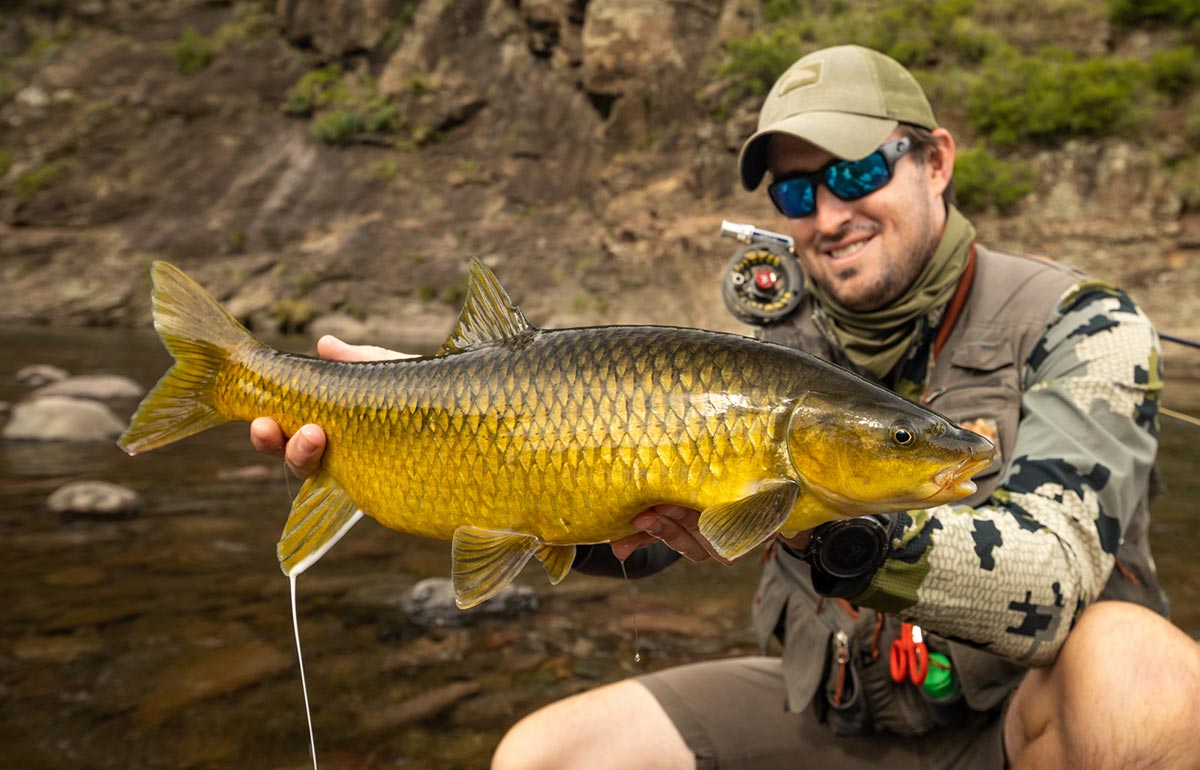
In a place this wild, the question isn’t just where can I fish? but where can I stay that keeps me close to it all without losing the authenticity?
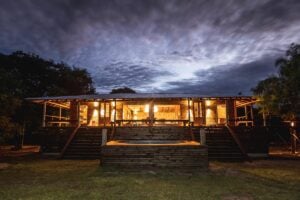
Perched above a prime stretch of the Bokong River, the camp is built from local stone and thatch, blending seamlessly into the valley. It hosts no more than eight guests at a time, which means days on the water feel personal, not pressured. Each rondavel is simple but warm, with thick duvets for cold nights and verandas that open onto mountain views.
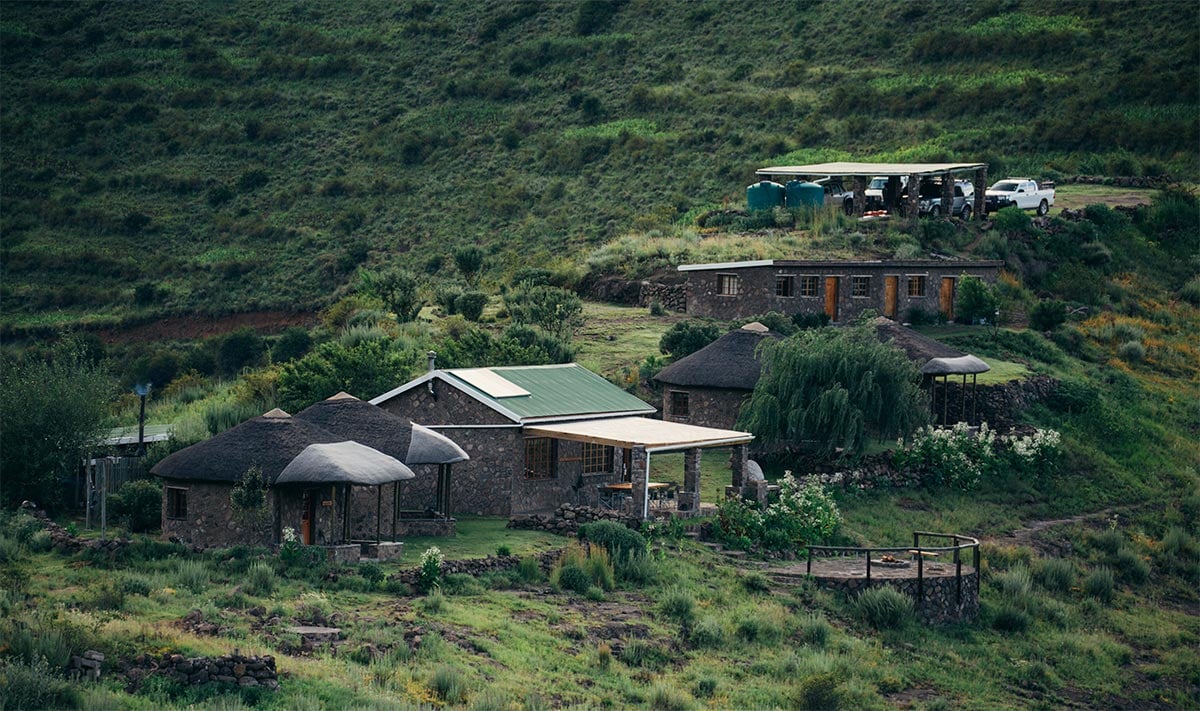
The fishing access is immediate. Step out the door and you’re minutes from runs and pools that hold both yellowfish and trout. The camp controls over 20 kilometers of river, so you’re never repeating water unless you want to. On foot, you can spend full days stalking fish along the Bokong; in higher flows, fly fishing guides may take you down to Katse Dam for drift-fishing.
Meals are communal—fresh bread, hearty stews, and stories shared around the long table. There’s no Wi-Fi, little cell service, and no distractions.

What replaces them is connection: to the river, to your guides, to the Basotho community that co-owns and operates the camp. Every stay directly supports conservation of the fishery and provides meaningful employment in a region where opportunities are scarce.
Why This Lodge Should Be On Your List
For discerning fishermen who travel the world in search of something different, Yellowfish Camp is a standout lodge defined by access, exclusivity, and immersion. Where else can you sight-cast dry flies to native yellowfish, catch wild brown trout in the same stretch, and finish the day listening to the sounds of a mountain village carrying across the valley?
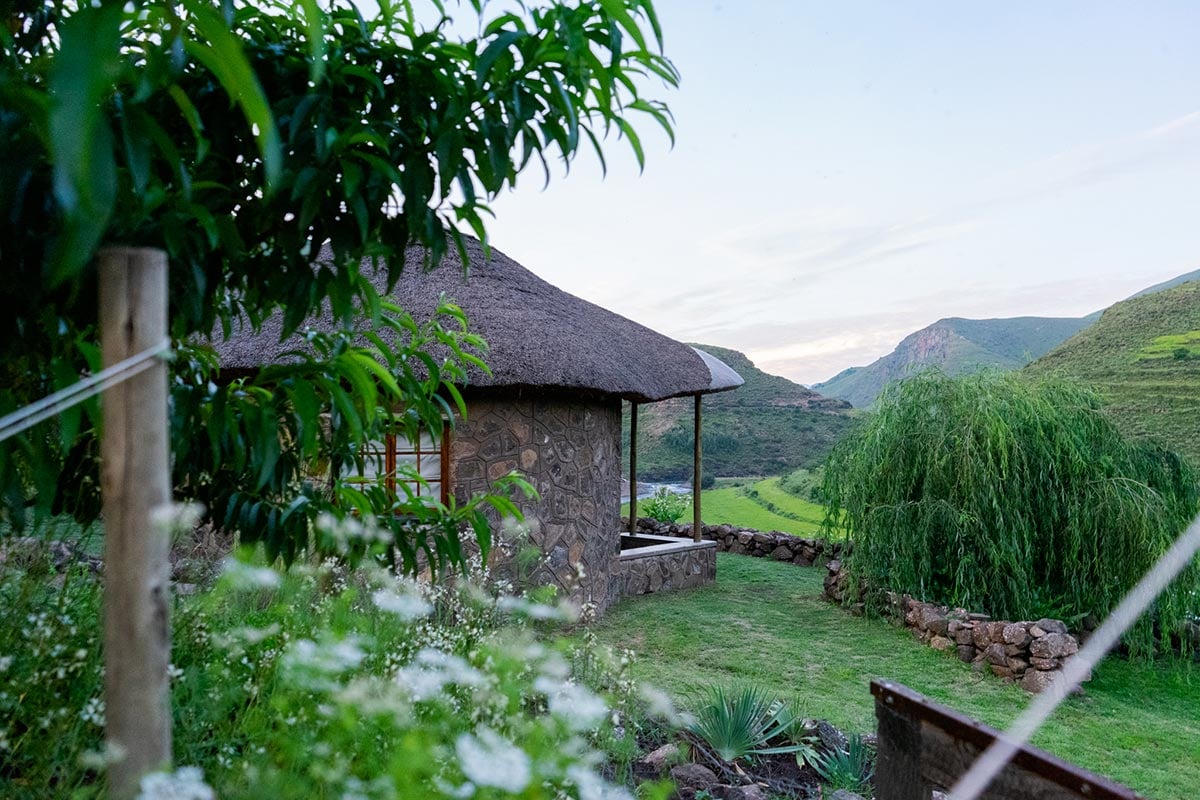
Trips here are more than fishing holidays—they’re a way to see a side of Africa that few outsiders ever glimpse. And when you finally kneel in cold water to release a yellowfish back into the current, you realize that this place isn’t about numbers or records. It’s about being present, being tested, and being changed by a river that still runs the way rivers were meant to.
Planning Your Lesotho Fly Fishing Trip
The season runs November through March, with dry-fly sight fishing at its best in the warmer mid-season months. Space is limited, and because the camp is small, prime weeks book quickly. If Lesotho is on your list, planning ahead isn’t optional—it’s the only way in.
Africa holds no shortage of destinations where a fisherman can feel tested. But in Lesotho, it isn’t about brute force. It’s about precision, patience, and connection. And no place delivers that experience more authentically than Yellowfish Camp on the Bokong River.
▶ For dates, availability and a closer look at the lodge itself, start here and plan your fly fishing trip in Lesotho at Yellowfish Camp.