South America is more than a fly fishing destination—it’s a continent of ecosystems unlike anywhere else in the world. From glacier-carved rivers in the Andes to tropical headwaters of the Paraná Basin and wild Pacific coastlines, the continent delivers an unmatched diversity of environments and species.
Whether you’re drawn to the adrenaline of chasing golden dorado in tangled jungle rivers or the meditative rhythm of casting dry flies to wild trout in the windswept valleys of Patagonia, there’s a South American fishing trip that fits your style.
Your Guide to Fishing in South America
We’ll dive into the details for three of the continent’s premier fishing regions—Argentina, Chile, and Colombia—with in-depth insights into the environments, species, seasonal considerations, and planning tips.
Argentina
Stretching from subpolar tundra to subtropical wetlands, Argentina offers a staggering ecological range. It’s a country where you can stalk sea-run browns under the southern lights one week and wrestle a dorado from jungle cover the next.
Patagonia
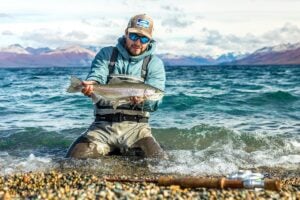
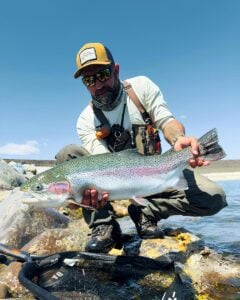
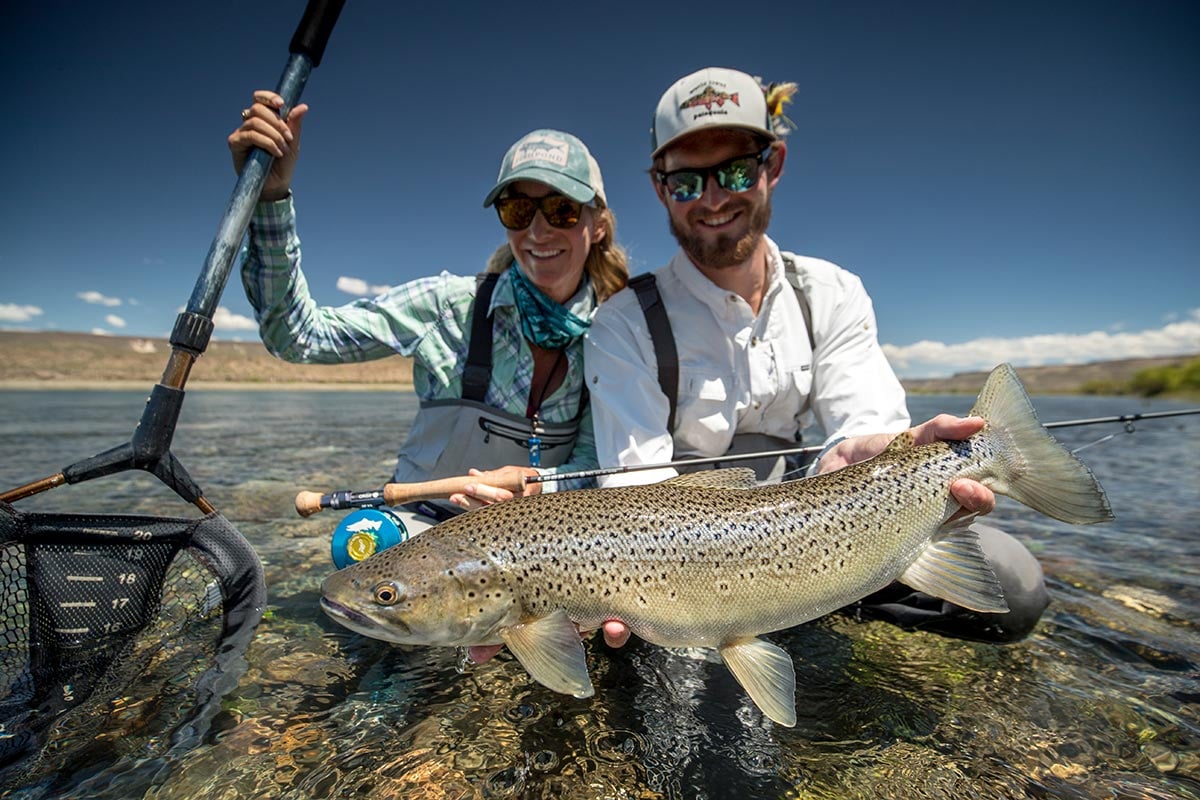
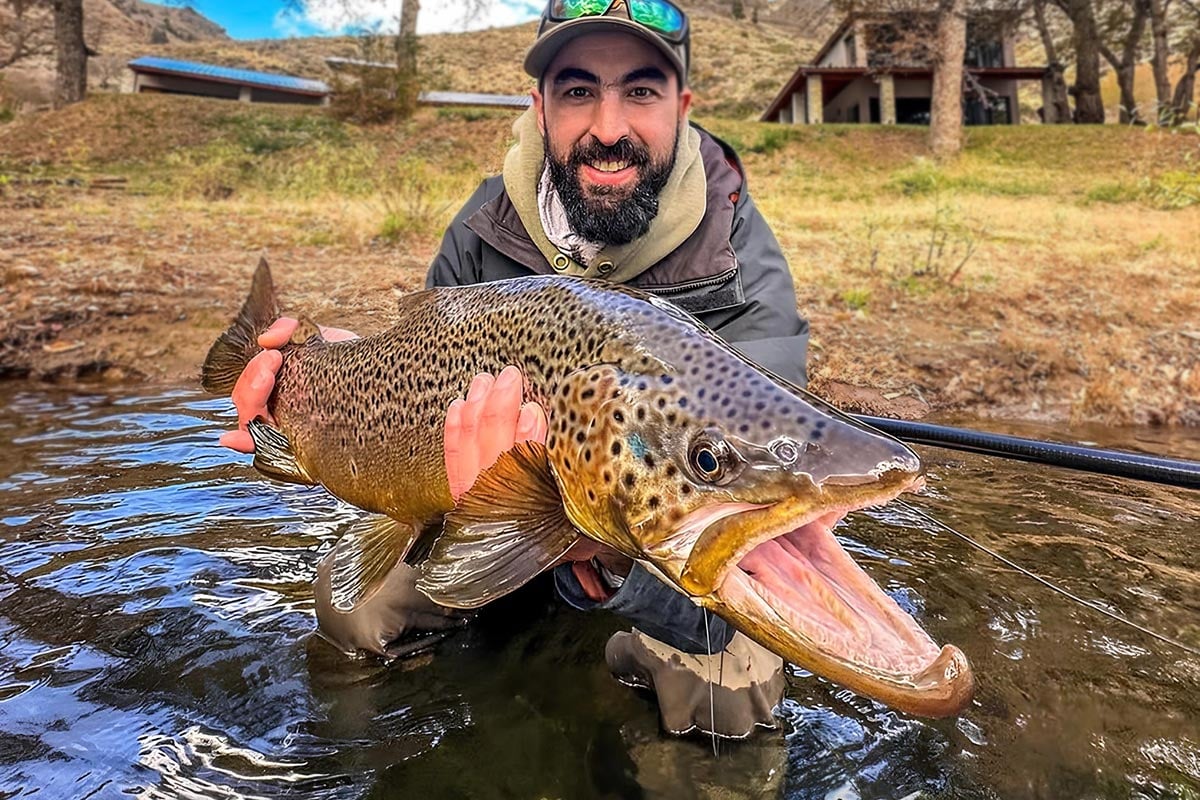
Southern Argentina is world-famous for its trout fisheries. Fueled by glacial melt and sparsely populated, the region’s waters are wild, clear, and teeming with opportunity. Common species include:
- Rainbow Trout – aggressive, acrobatic, and abundant in rivers like the Chimehuín, Malleo, and Limay
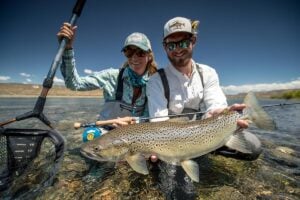
- Brown Trout – large, wary, and often nocturnal in lakes and deeper pools
- Brook Trout – especially in high-altitude headwaters and spring creeks
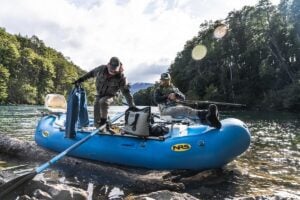
Fishing here often includes drift boat floats, walk-and-wade excursions, and access to private estancias with hundreds of miles of fishable waters.
For a full breakdown, visit The Ultimate Guide to Fly Fishing in Patagonia
Tierra del Fuego
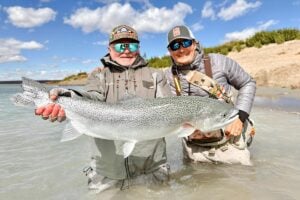
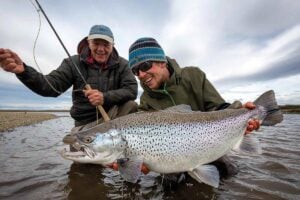
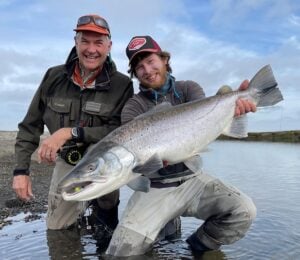
At the southernmost edge of the continent lies the Río Grande, home to the largest sea trout (sea-run brown trout) on Earth. These anadromous brown trout migrate from the sea back into freshwater, growing to 20+ pounds in the process.
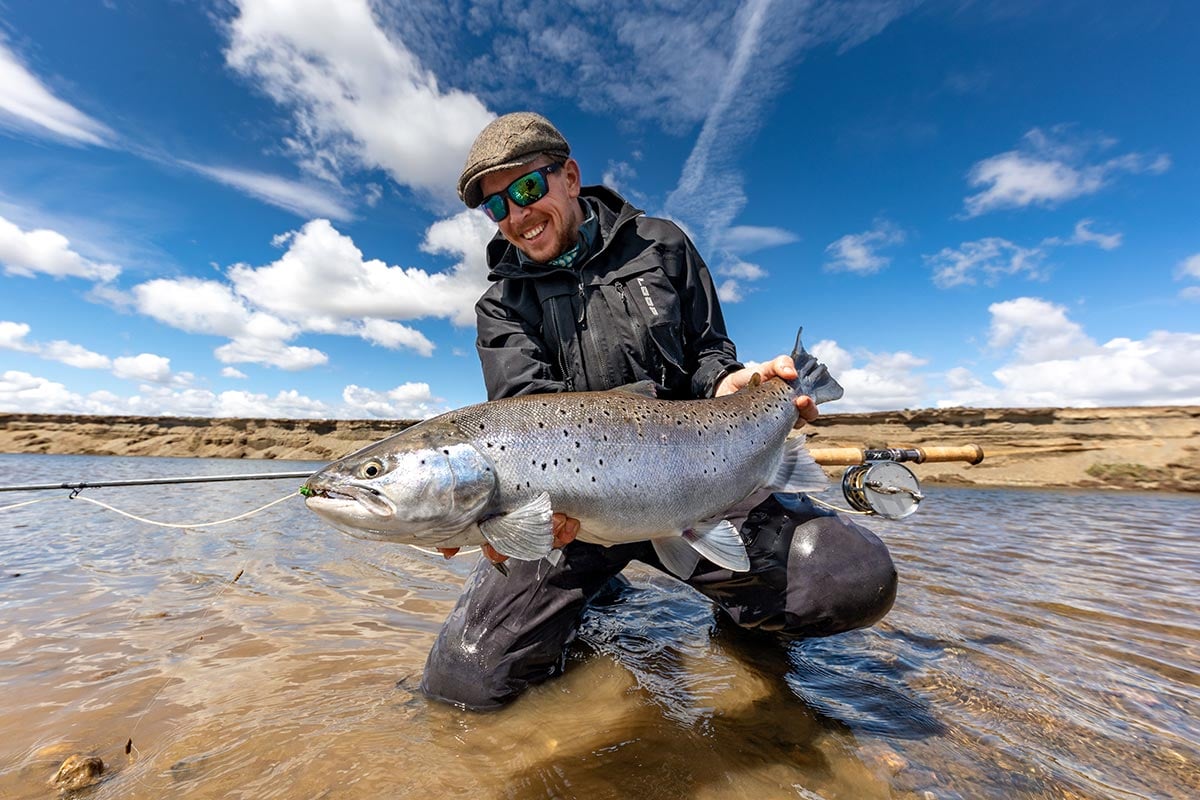
Expect challenging conditions: brutal winds, precise casting, and fish that reward patience and preparation. Prime season runs December to April, with March being the peak.
Corrientes & Santa Fe
The northern provinces shift dramatically—tropical forests, warm waters, and explosive predators.
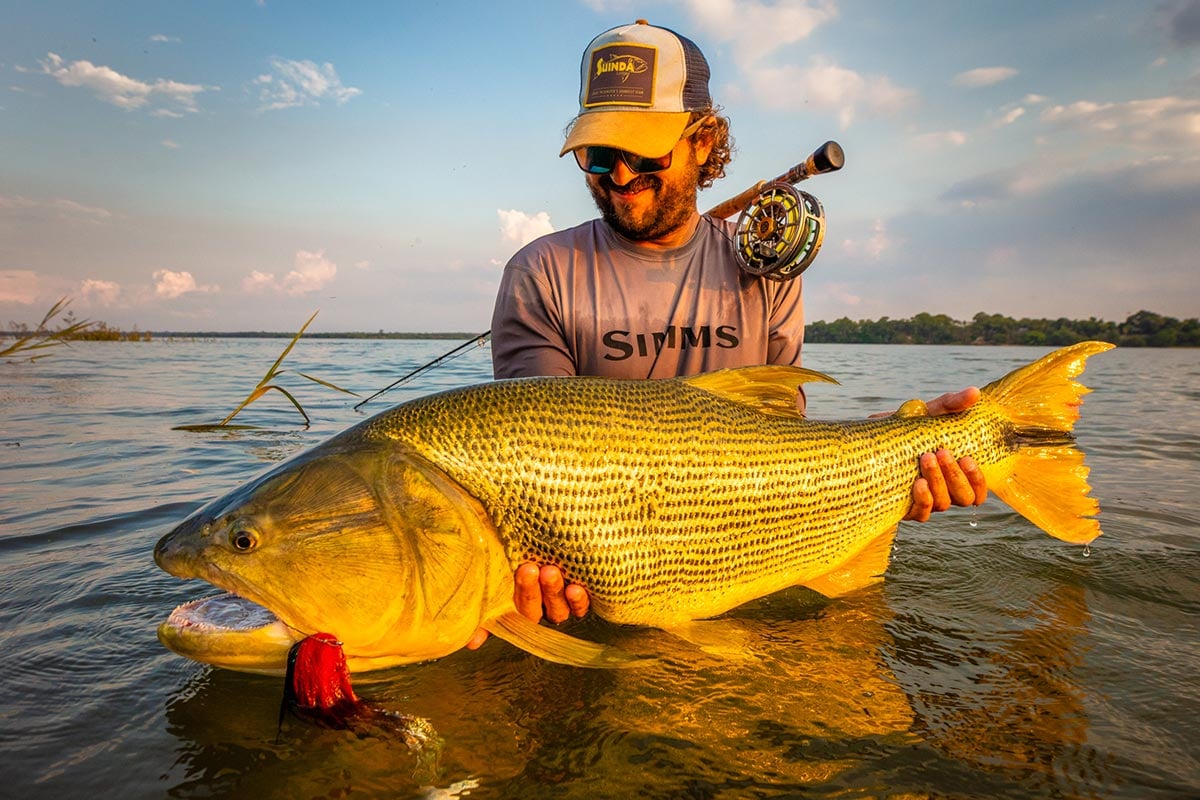
Here, you’ll target:
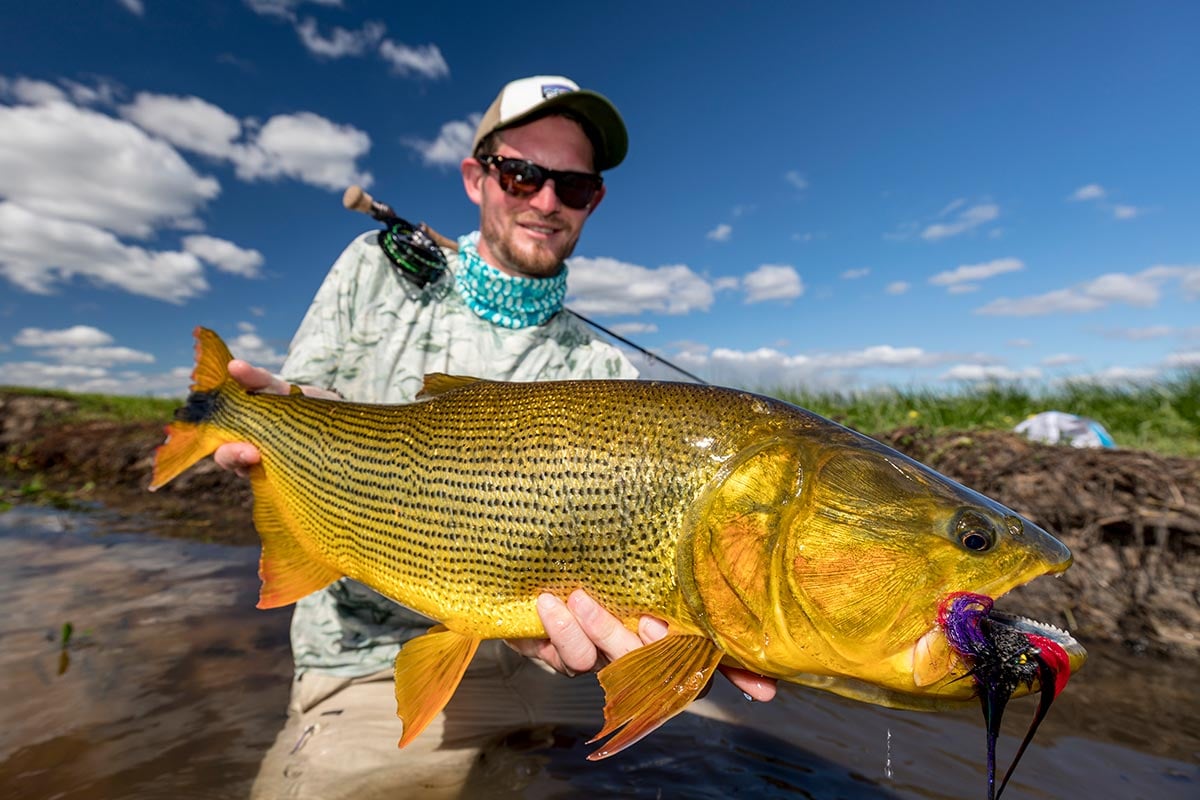
- Golden Dorado: a muscular, acrobatic predator known for its vicious strikes and aerial fights
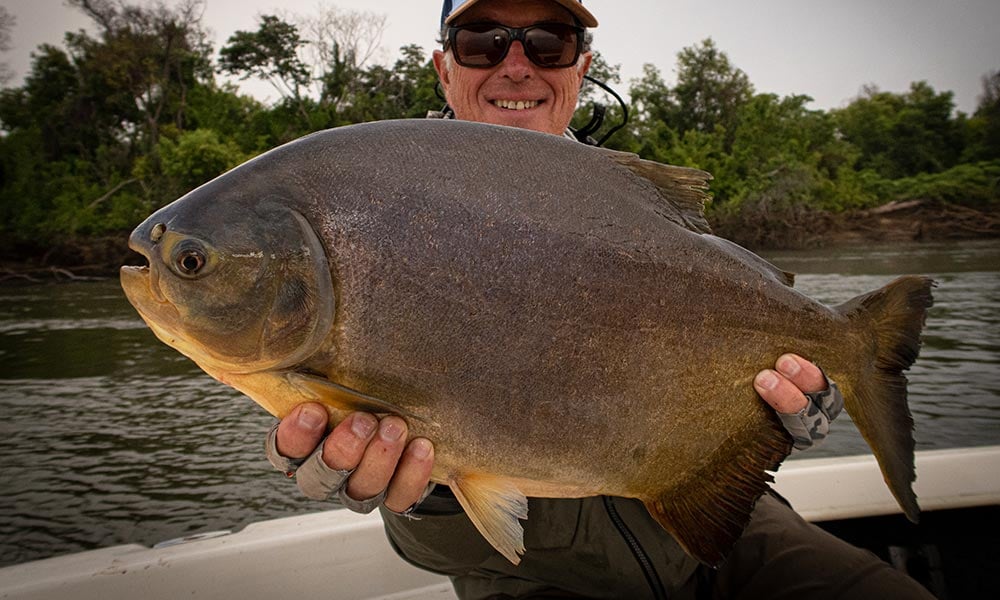
- Pacú: omnivorous, piranha-like fighters often taken on fruit or nut imitations
- Pirá Pitá: smaller but highly technical targets requiring finesse
- Surubí (catfish): slow but powerful fish lurking in deep channels
These fisheries are dynamic—changing with seasonal water levels and demanding accurate casts near submerged wood and structure.
Explore Argentina’s Fishing Locations →
Chile
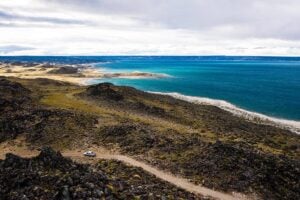
Sharing much of its southern geography with Argentina, Chile offers a parallel—but wilder—Patagonian experience. Think dense forests, turquoise rivers, and rugged accessibility.
Lake District Rivers and Glacial Streams
The Los Lagos region features iconic rivers like the Futaleufú and Yelcho. These hold strong populations of:
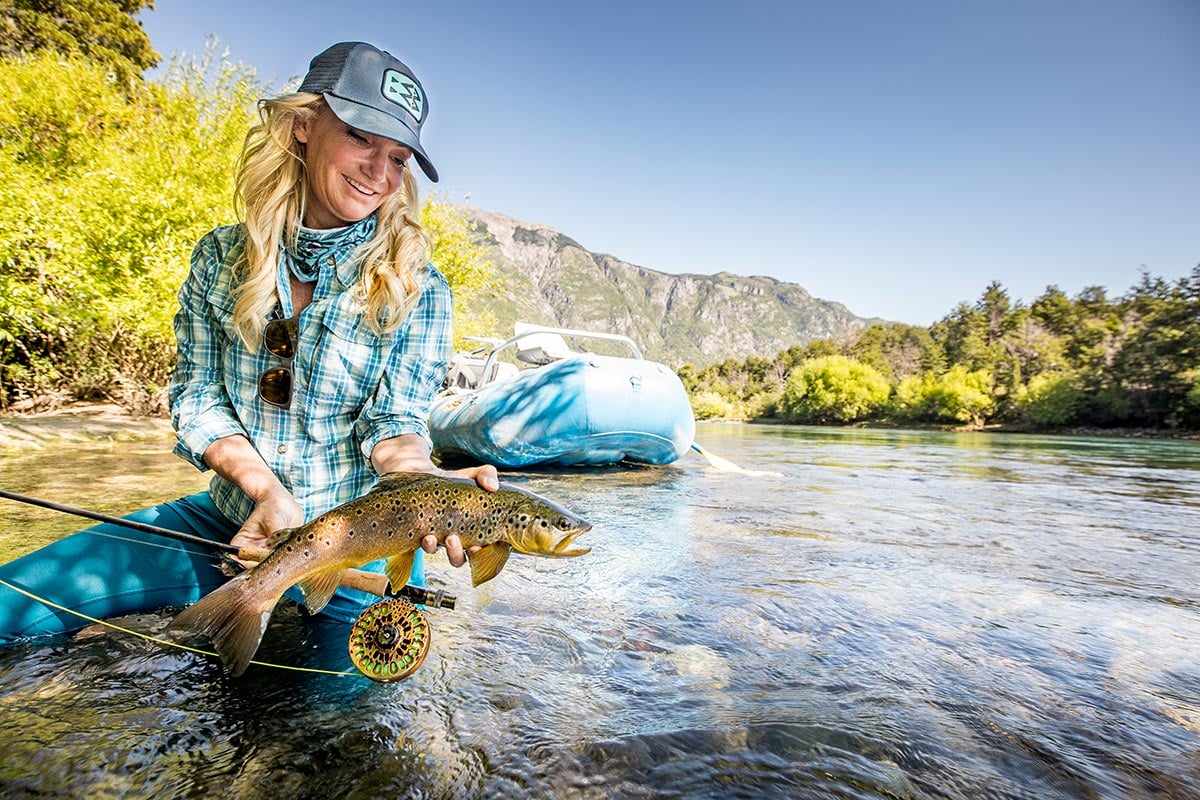
- Brown Trout – often larger than their Argentine cousins due to longer growing seasons
- Rainbow Trout – active feeders in riffles and tailouts
- Brook Trout – found in higher elevation systems and lakes
Fishing techniques here vary from floating and stripping streamers to delicate dry fly work and sight casting in low water. Access is often boat-based or fly-in, with fewer crowds than Argentina.
See Fly Fishing Destinations in Chile →
Colombia
While not as widely known as Argentina or Chile for fly fishing, Colombia is emerging fast as a premier destination for anglers seeking uncharted territory. It offers a compelling combination of tropical coastline and biodiverse inland waters—making it ideal for adventurous anglers with a broad target list.
Pacific Coast
Colombia’s wild Pacific coastline is a bluewater haven where anglers can target some of the most powerful saltwater species on Earth:
- Sailfish – fast, spectacular surface predators, ideal for teasing and fly casting
- Billfish – a broader category including marlin and spearfish species
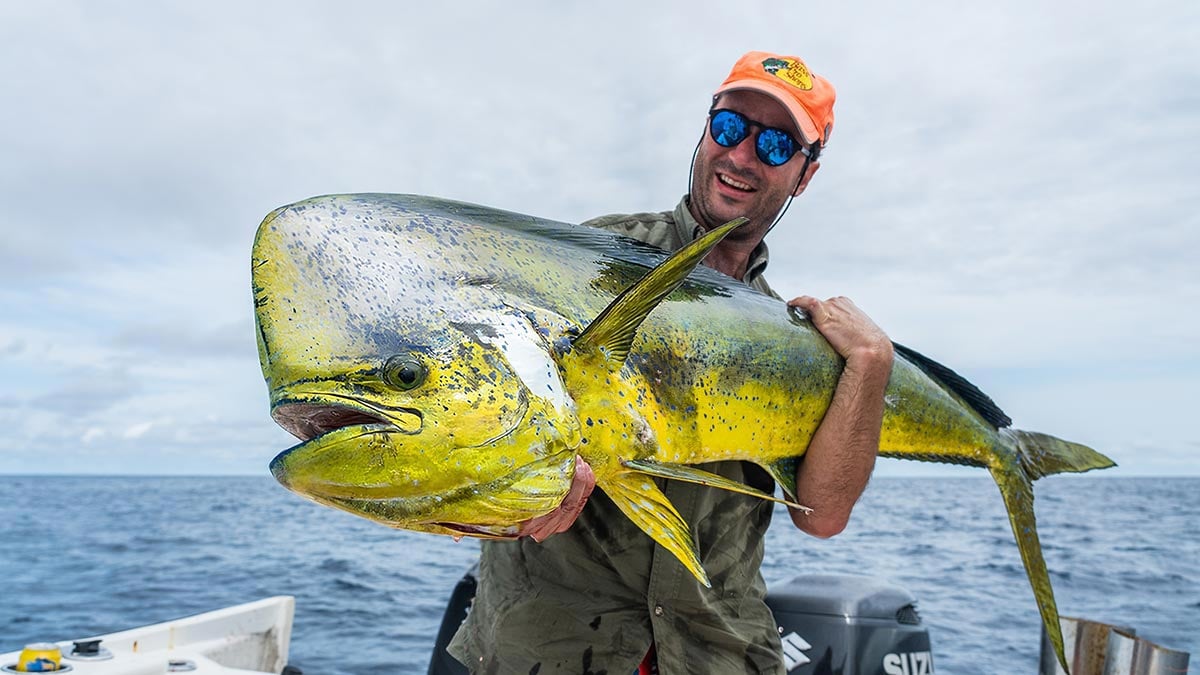
- Mahi-Mahi – stunning colors, aggressive strikes, and short bursts of aerial acrobatics
- Amberjack – deep-running fighters often found around structure and ledges
- Grouper – strong reef dwellers requiring heavy gear and vertical techniques
Inland Rivers
While not yet fully developed as a fly fishing destination, Colombia’s vast Amazonian river network holds future promise. Jungle rivers here may one day rival those in Brazil or Bolivia, offering shot opportunities at dorado, catfish, and other predatory species. With infrastructure continuing to grow, Colombia is a destination to watch.
See Fishing Destinations in Colombia →
South America’s Signature Species
Here’s a breakdown of the key gamefish you’ll encounter across South America, including where to target them and how they behave.
Golden Dorado
Regions: Argentina (Corrientes, Santa Fe), Paraguay basin tributaries
Best Time: October–April
The undisputed apex predator of South America’s freshwater scene. The golden dorado is a brutal fighter—aggressive, acrobatic, and highly territorial. They prefer warm, tannin-stained waters and lurk near submerged structure.
Fly Tips:
- Use baitfish imitations with wire leaders.
- Focus on ambush zones: eddies, banks, logjams.
- Short, fast strips and pause triggers strikes.
Sea Trout (Sea Run Brown Trout)
Region: Argentina (Tierra del Fuego – Río Grande)
Best Time: December–April
These anadromous brown trout spend much of their lives at sea, returning to spawn. They grow to 20+ pounds and fight like steelhead—long runs, head shakes, and subtle takes.
Fly Tips:
- Use tube flies or leeches with heavy sink tips.
- Focus early and late in the day.
- Be ready for one chance per pool.
Pacú & Pirá Pitá
Region: Northern Argentina rivers
Best Time: October–March
Often compared to piranhas, these species are herbivores with powerful jaws and odd feeding behavior. Pacú rise to fruit and nuts, making them ideal for dry fly presentations.
Fly Tips:
- Use “fruit flies” or pellet imitations.
- Present under trees after rainfall.
- Slow drifts with floating lines work best.
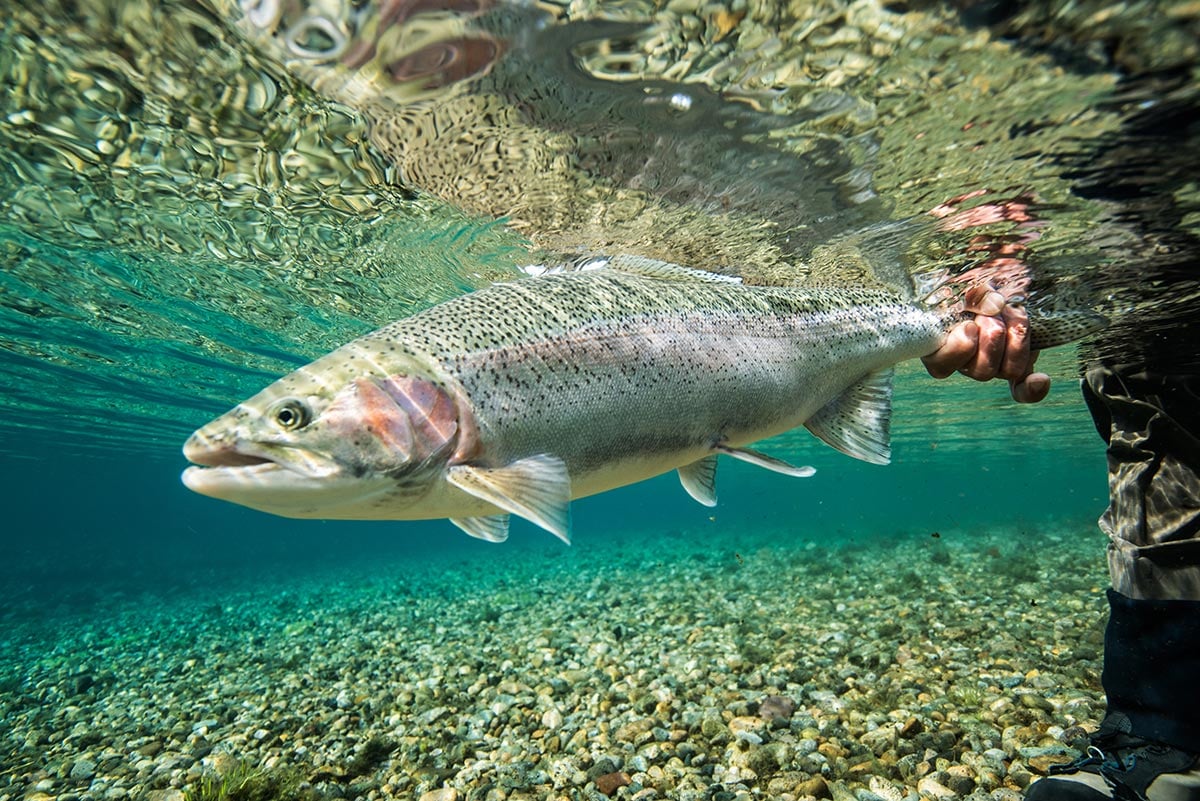
Trout (Rainbow, Brown, Brook)
Regions: Argentina, Chile
Best Time: November–April (Patagonia)
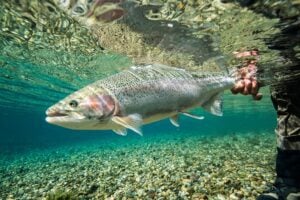
These classic cold-water species thrive in South America’s glacier-fed rivers and spring creeks. You’ll find everything from high-altitude lakes to remote freestone rivers loaded with trophy fish.
Fly Tips:
- Match the hatch with dries in summer.
- Use streamers on overcast days or early season.
- Nymphing with indicators is deadly on pressured waters.
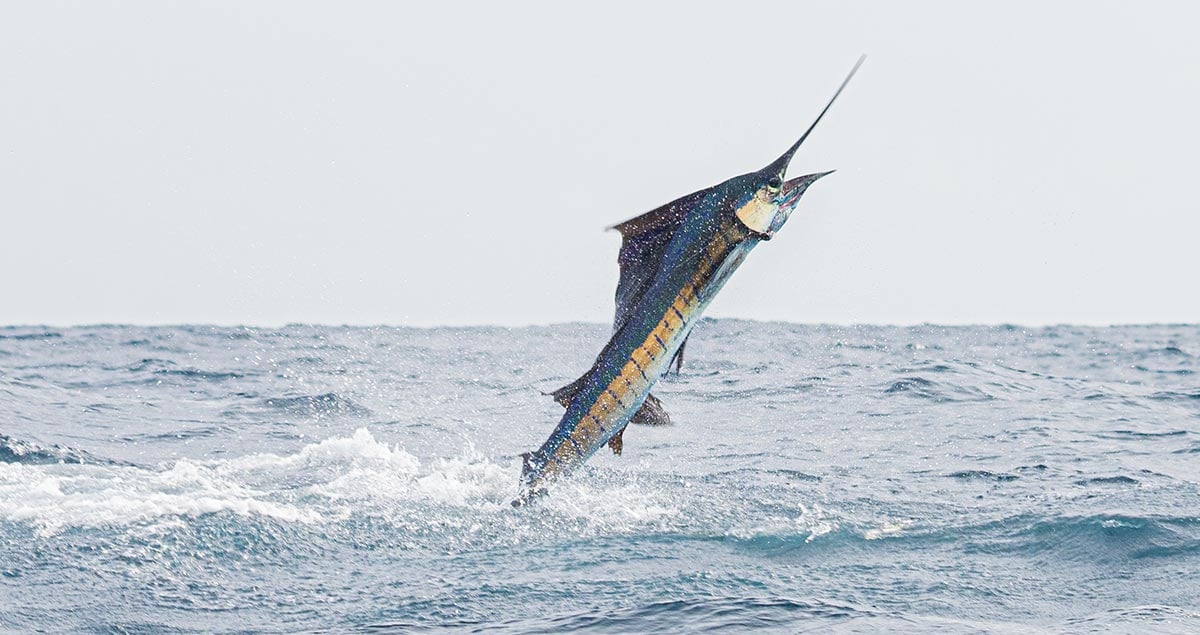
Mahi-Mahi, Sailfish & Saltwater Heavyweights
Region: Colombia Pacific Coast
Best Time: December–May
These species roam the warm coastal and offshore waters of Colombia. While most are pursued with conventional gear, fly fishing has taken hold in recent years with teasing and switch rod setups.
Fly Tips:
- Use bait and switch techniques with teasers.
- Floating lines and flashy streamers.
- 10–12 weight setups with strong reels.
Travel Tips
Planning a fishing trip to South America involves more than just selecting your target species. From gear logistics to travel documentation, there are a few key considerations that can make or break your adventure. Knowing the right seasons, packing the appropriate rods, and staying aware of health recommendations will help ensure your journey is smooth and enjoyable from touchdown to takeoff.
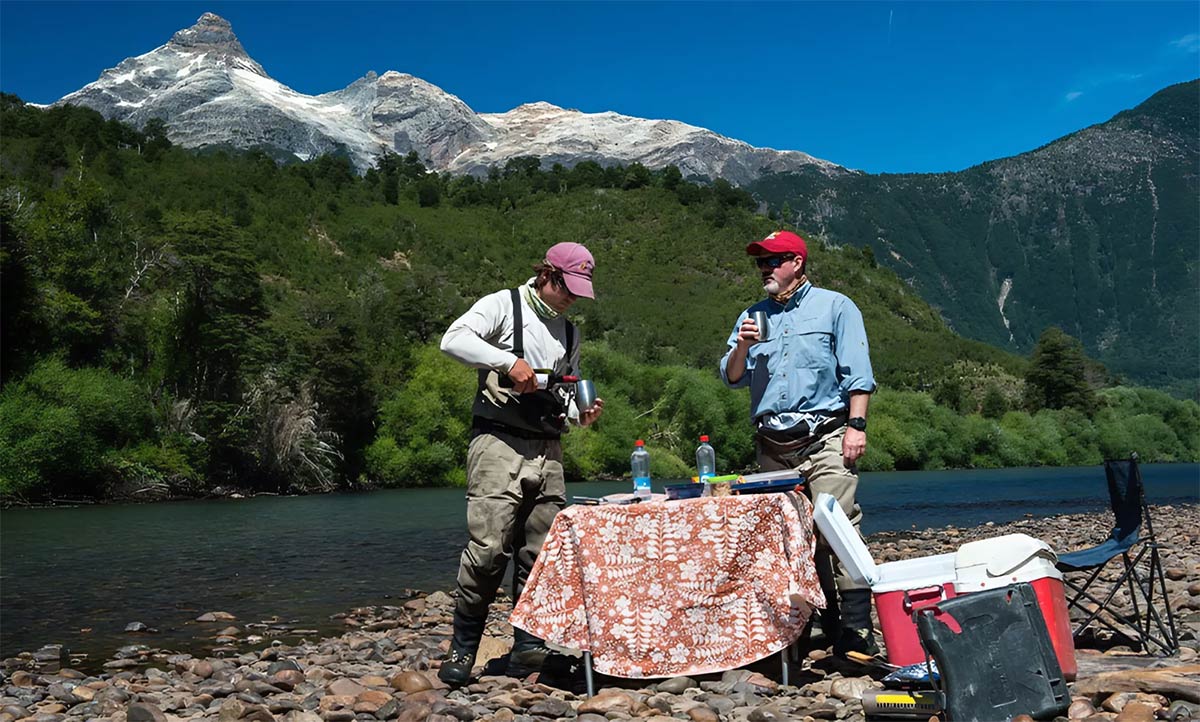
Key Travel Considerations:
- Gear Considerations: Bring both light and heavy setups. A 5–6 weight is great for trout, while dorado and jungle fish demand 8–9 weights and wire tippets.
- Documentation: A valid passport is required. Some countries require proof of onward travel or visa (e.g., Argentina or Colombia depending on your origin).
- Health & Safety: Yellow fever vaccinations are recommended for northern jungle regions.
- Language: Spanish is widely spoken. Some English is available at high-end lodges, but basic phrases help a lot.
When to Plan Your Trip
| Region | Prime Fishing Season | Notes |
| Patagonia | Nov–Apr | Midsummer (Jan–Feb) is peak for dry flies |
| Corrientes | Oct–Apr | Jungle fish thrive in warm water months |
| Tierra del Fuego | Dec–Apr | Cooler, unpredictable weather |
| Chile | Nov–Apr | Similar to Argentina, but with more rain |
| Colombia | Dec–May (Pacific Coast) | Dry season brings clear water offshore |
Conservation & Access Ethics
South America’s world-class fisheries exist thanks to an evolving culture of conservation. With delicate ecosystems and limited human interference, many of these waters are at their best when left as untouched as possible. Ethical anglers and responsible outfitters play a major role in protecting these environments for future generations.
Common Conservation Practices:
- Catch-and-release-only policies
- Use of barbless hooks to minimize handling injuries
- Strict daily angler limits on private water leases
- Partnerships with local conservation groups and indigenous communities
FishingExplora prioritizes lodges and guides who practice conservation-first principles and work closely with local stakeholders to maintain the balance between exploration and preservation.
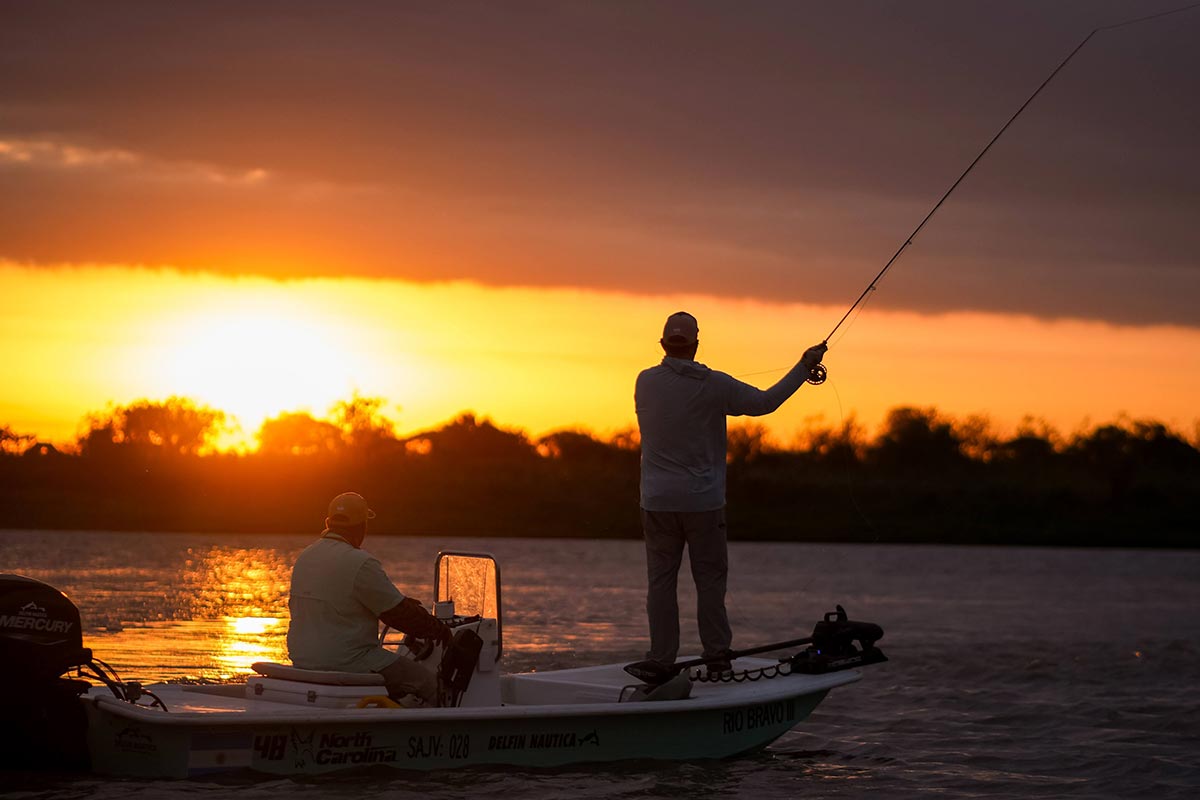
Start Planning Your South American Fishing Trip
FishingExplora makes it easy to plan your South American fishing trip—offering curated guides, travel insights, and top-tier lodges for all skill levels.
Explore each region in more depth below:
Argentina Fishing Region →
Chile Fishing Region →
Colombia Fishing Region →
Or explore more destination ideas from The 2025 Fly Fishing Vacation Bucket List