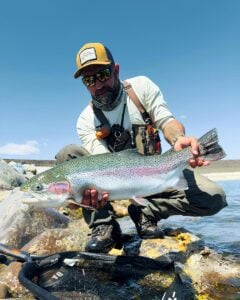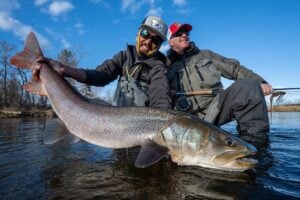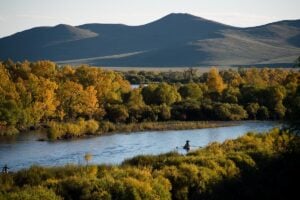
Flowing cold and clear through the heart of Trøndelag, the Gaula River has earned its place as one of the most iconic salmon rivers in all of Europe. For fly anglers chasing the power and prestige of wild Atlantic salmon, few places match the Gaula’s beauty, diversity, and consistency.
The Gaula River
Unlike many rivers across the world, the Gaula remains wild and free-flowing—undammed from its mountain source to the fjord. It’s a river shaped by time and geology, with deep holding pools, long glassy glides, and steep gravel runs that shift subtly each season. This natural variation makes it ideal for swinging flies on the move.
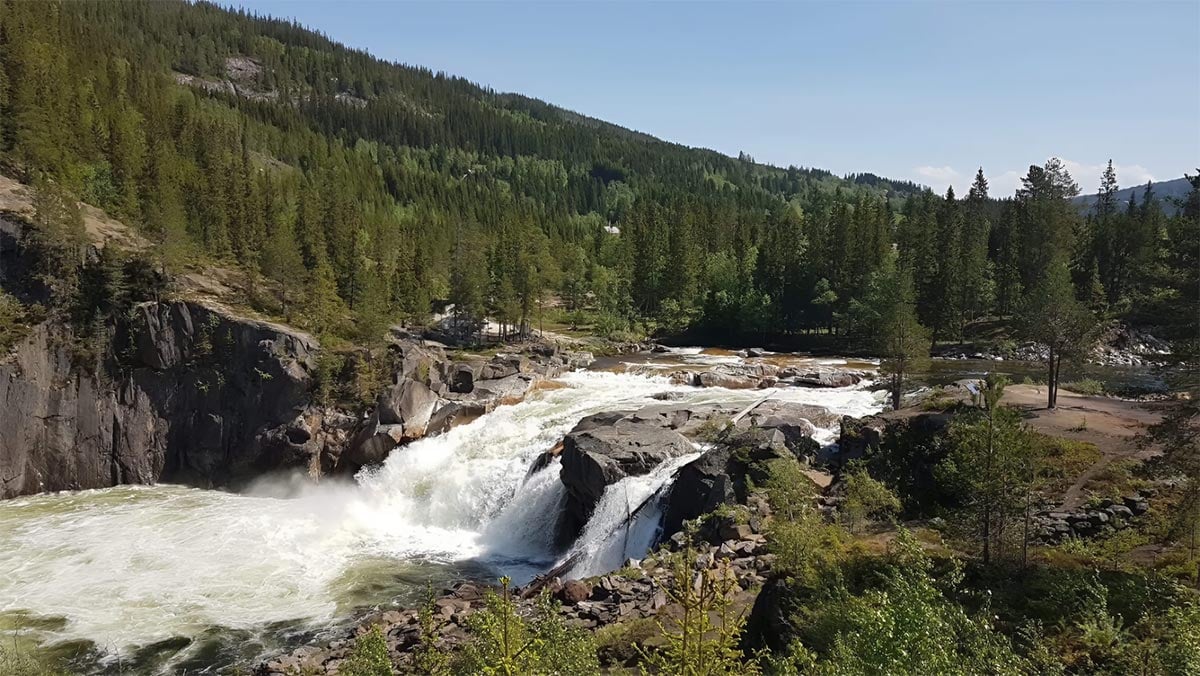
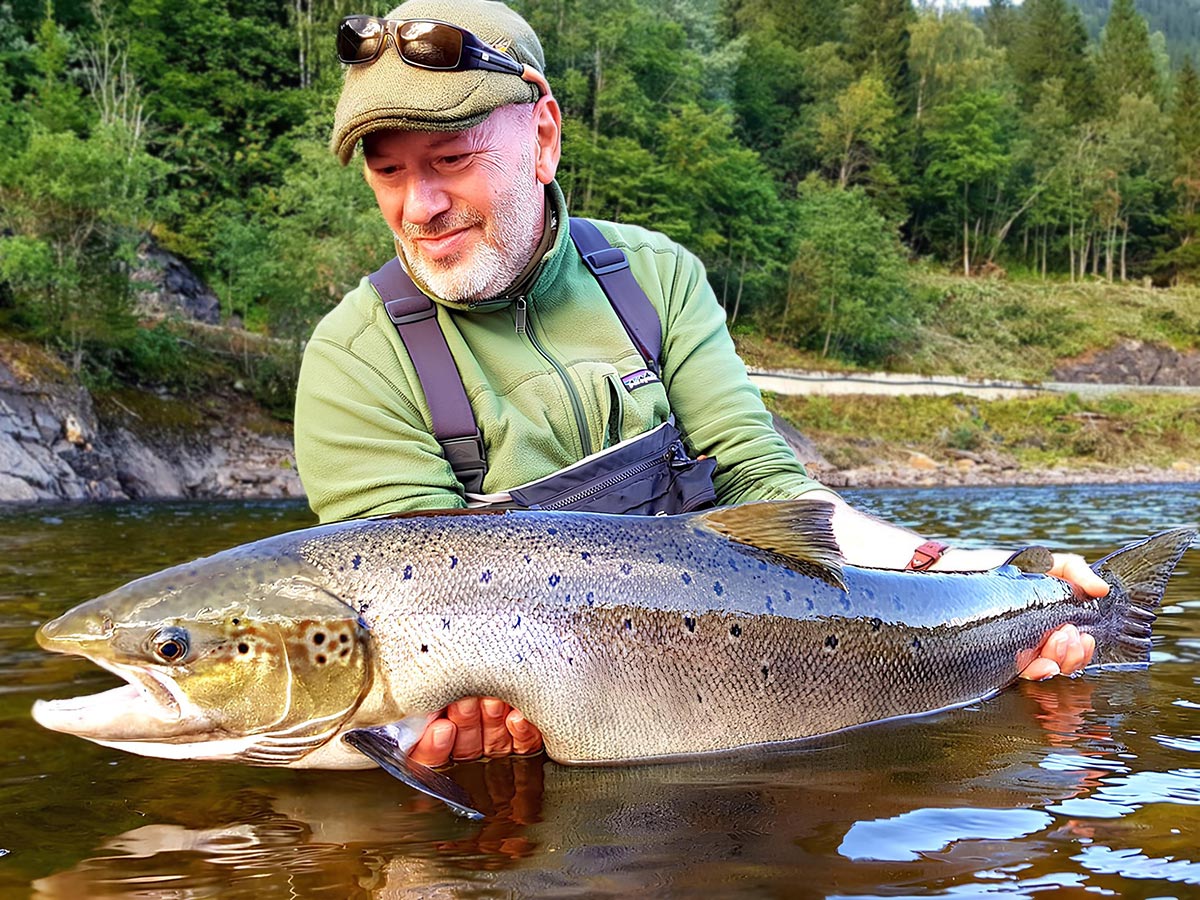
The water is cold and clean, fed by snowmelt and mountain runoff. These are the kind of conditions Atlantic salmon thrive in, and year after year, the Gaula produces strong runs of fish—including legitimate 20- to 30-pounders.
For anglers, this means a river where each pool presents a new opportunity, each tide can bring a fresh run of fish, and every cast feels like it might change the trip.
Best Times to Fish the Gaula River
June – Early Season: Expect high water and powerful fish. This is the time for big flies, sink tips, and heavy lines. The salmon are fresh from the sea and full of energy, offering some of the hardest fights of the season.
Early to Mid-July – Prime Time: The river level stabilizes, and classic swing conditions dominate. Floating lines with tips become the go-to. Pools settle into shape, and guides know exactly where the salmon are holding.
Late July into August – Technical Fishing: Water levels drop, fish settle in, and opportunities for visual fishing increase. It’s a time for smaller flies, lighter tips, and often, dry fly experimentation. Experienced anglers love this technical window.
Presentation and River Tactics
Fishing the Gaula is all about reading water and adapting to the river’s ever-changing character. Unlike stillwater or predictable tailwaters, the Gaula flows freely through valleys, creating an array of runs, glides, and deep pockets that shift from season to season. Success here depends less on rigid technique and more on understanding where salmon rest, how they move, and what triggers their instincts.
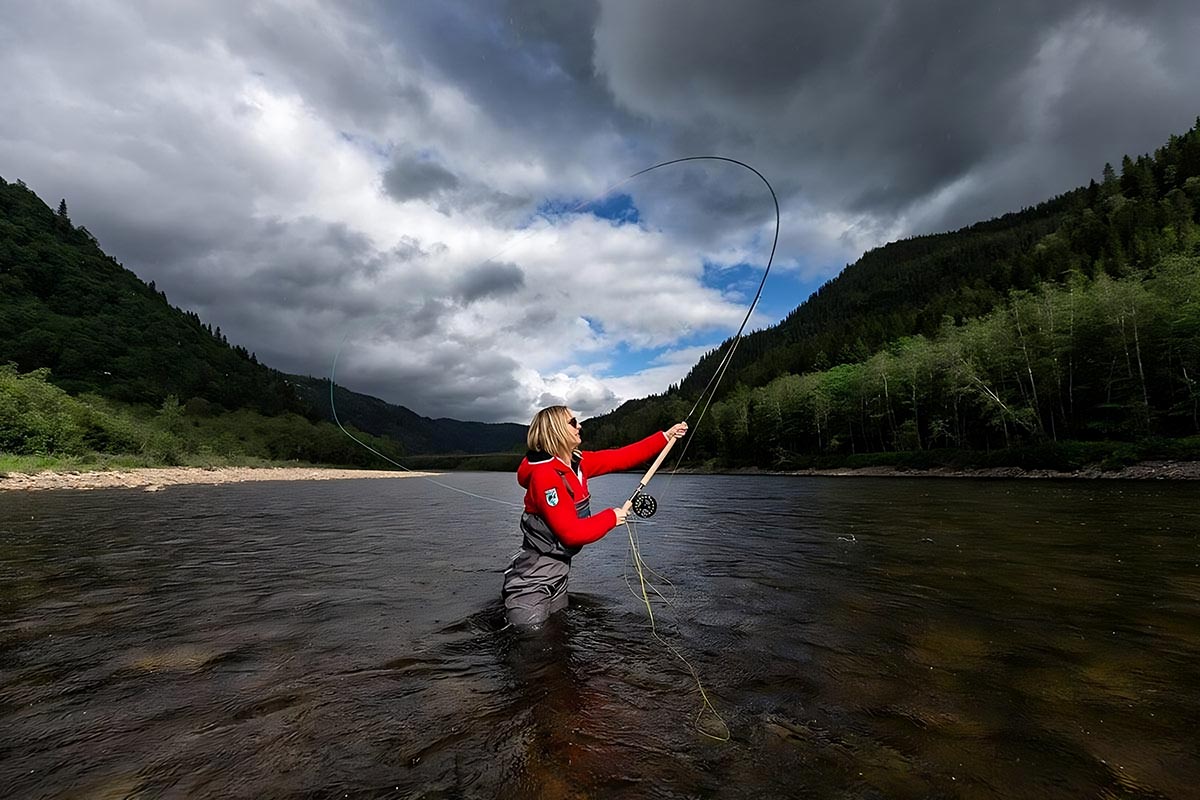
- Presentation Basics: Most salmon on the Gaula are targeted with the classic down-and-across swing. Cast at a 45–70 degree angle downstream, mend to control your drift, and let the fly swing naturally across the current. Adjust the speed with rod angle and line control—slower in cold water, faster when fish are active.
- Depth Matters: Early season demands a deeper presentation. Use sink tips or heavy tubes to cut through high, cold water. Mid-season often allows for intermediate tips or even floaters with weighted flies. In late summer, a stealthy approach with long leaders and small flies near the surface can produce.
- Where to Focus: Target travel lanes near the head of pools, soft seams where fast water meets slack, and tailouts where fish hold before moving upstream. On hot days, salmon often stack in deeper mid-pool trenches. After rain or snowmelt, watch for fish moving into fresh water and becoming more aggressive.
- Try the Swing-and-Step: A traditional tactic here is the swing-and-step method—make a cast, swing the fly, take a step downstream, repeat. It’s a simple rhythm that covers water efficiently and keeps you moving until you find active fish.
- Change Flies, Not Just Locations: Salmon can be selective—or downright stubborn. If a run looks perfect but you’re not getting takes, change your fly size or color before moving on. Bright patterns in stained water, subdued flies in clear conditions, and movement-heavy flies (like Temple Dogs) in slow pools can make all the difference.
Gear and Fly Recommendations
Rods: 13’ to 15’ spey rods in 8–10 weight are ideal early on. Switch to shorter setups or 7–8 weights by late summer for precision and comfort.
Lines: Start with Skagit heads and interchangeable sink tips in June. Switch to Scandi-style or full floating lines in July and August when conditions stabilize.
Flies: Early season demands large Temple Dogs and weighted tubes. Mid to late season calls for Green Highlanders, Dee-style flies, and Sunray Shadows in smaller sizes. Hitch flies and Stoat’s Tails are excellent for clear water.
DIY Trip vs All-Inclusive Experiences
While it’s possible to explore parts of the Gaula on your own, the river’s complexity and beat-specific access make it far more rewarding to stay with a reputable local lodge. Booking a lodge that provides guided fishing ensures you’re on productive water, matched with the right flies and tactics for the day’s conditions. These guides know the river intimately—they track fish movement daily, understand beat rotation, and help you avoid wasting time on unproductive stretches.
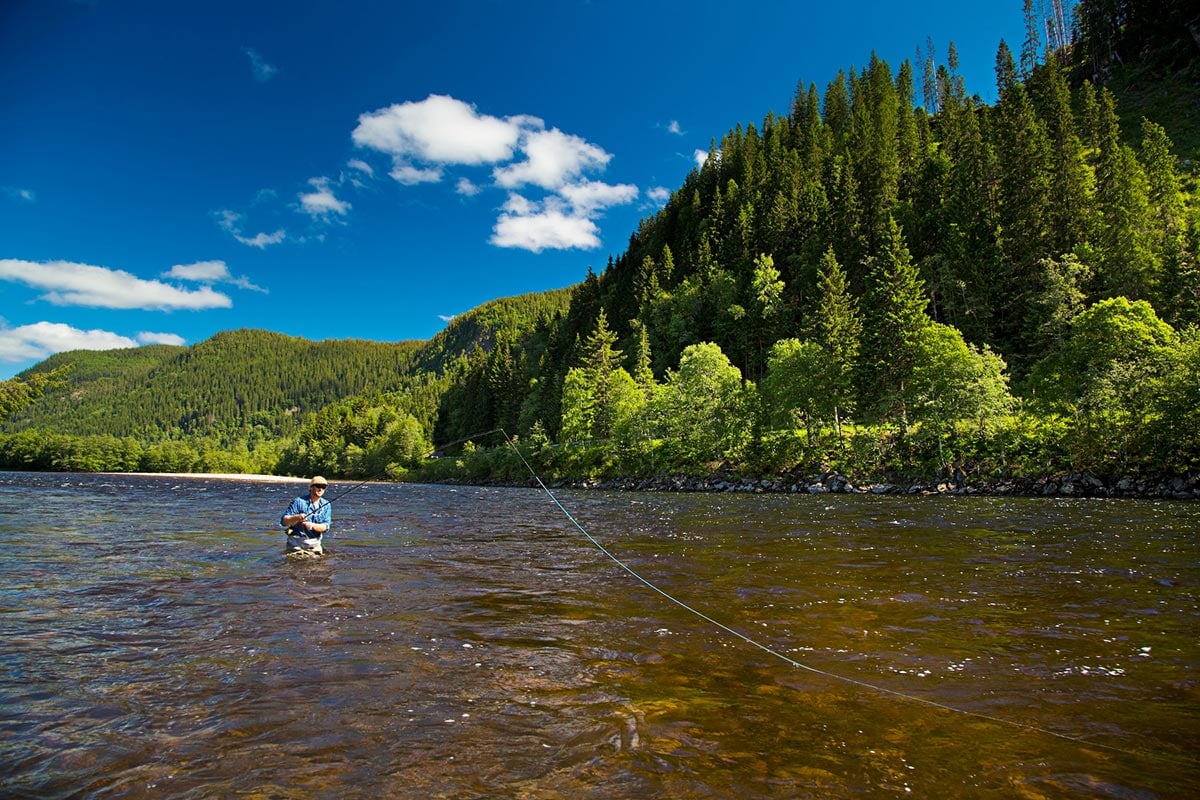
In short, if you’re traveling to fish the Gaula, investing in a guided lodge experience is the smartest path to success—and satisfaction. You’ll fish more efficiently, learn faster, and likely connect with better quality salmon.
Norwegian Flyfishers Club (NFC)
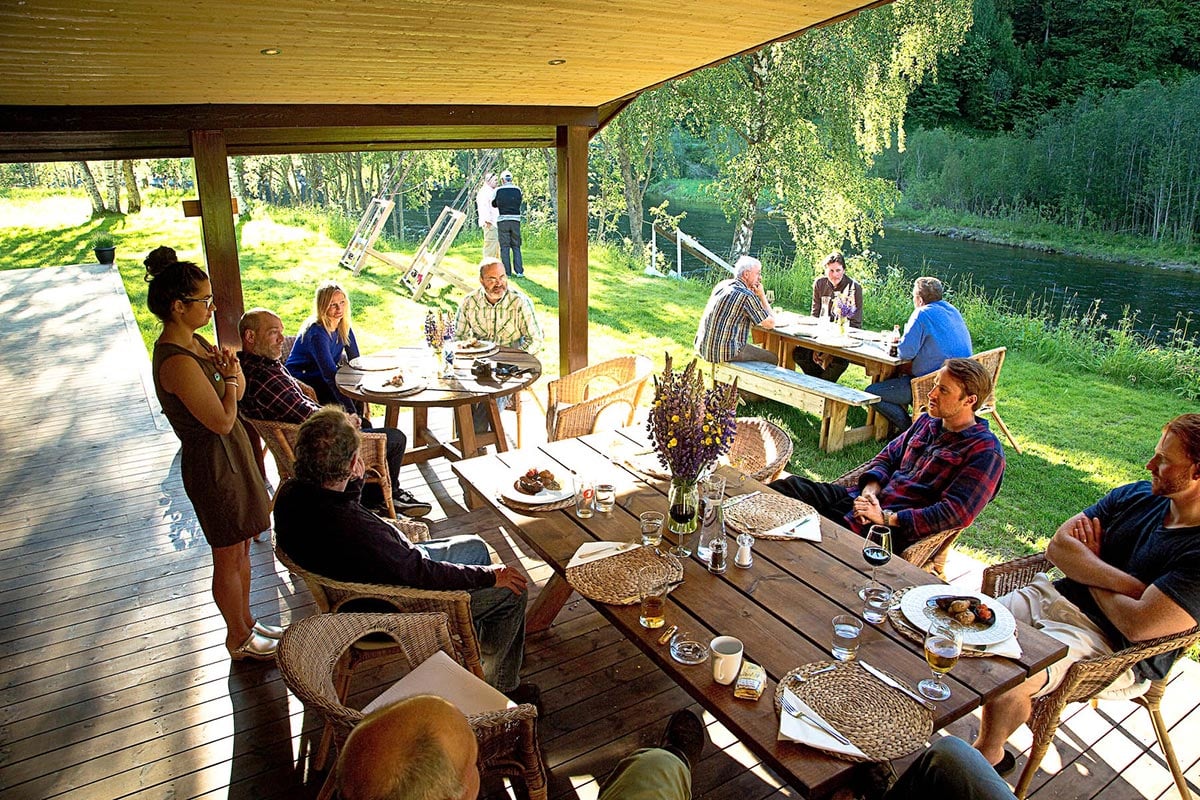
A legendary institution with access to over 12 miles of private water, NFC runs a classic rotating beat system and is ideal for anglers who value structure, history, and expert guidance. Accommodations are refined and well-appointed, and the guiding is deeply professional. This is where tradition meets precision.
Gaula Flyfishing Friends (GFF)
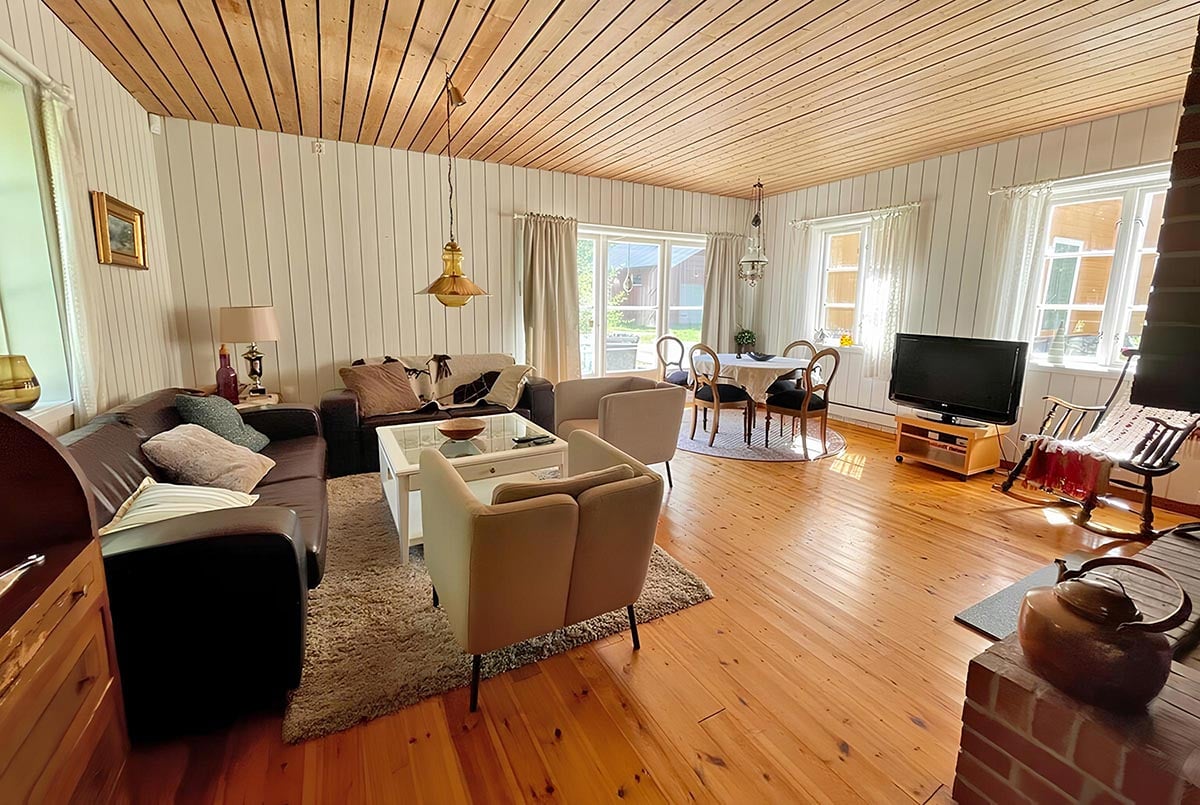
GFF offers a more intimate, laid-back experience while still giving access to prime Gaula water. The team focuses on community, excellent meals, and connecting with the river on a personal level. It’s perfect for solo anglers or small groups looking for a guided experience with soul.
Travel and Logistics
The closest major airport is Trondheim, about an hour’s drive from most lodge locations along the Gaula. Both NFC and GFF typically offer pickup services or can help arrange ground transportation. Norway’s infrastructure is reliable, and travel is straightforward—even for first-timers.
Licenses and salmon tags are required, but both lodges assist with the process. Expect a comprehensive orientation on arrival, including safety briefings, river access rules, and fly selection tips based on current conditions.
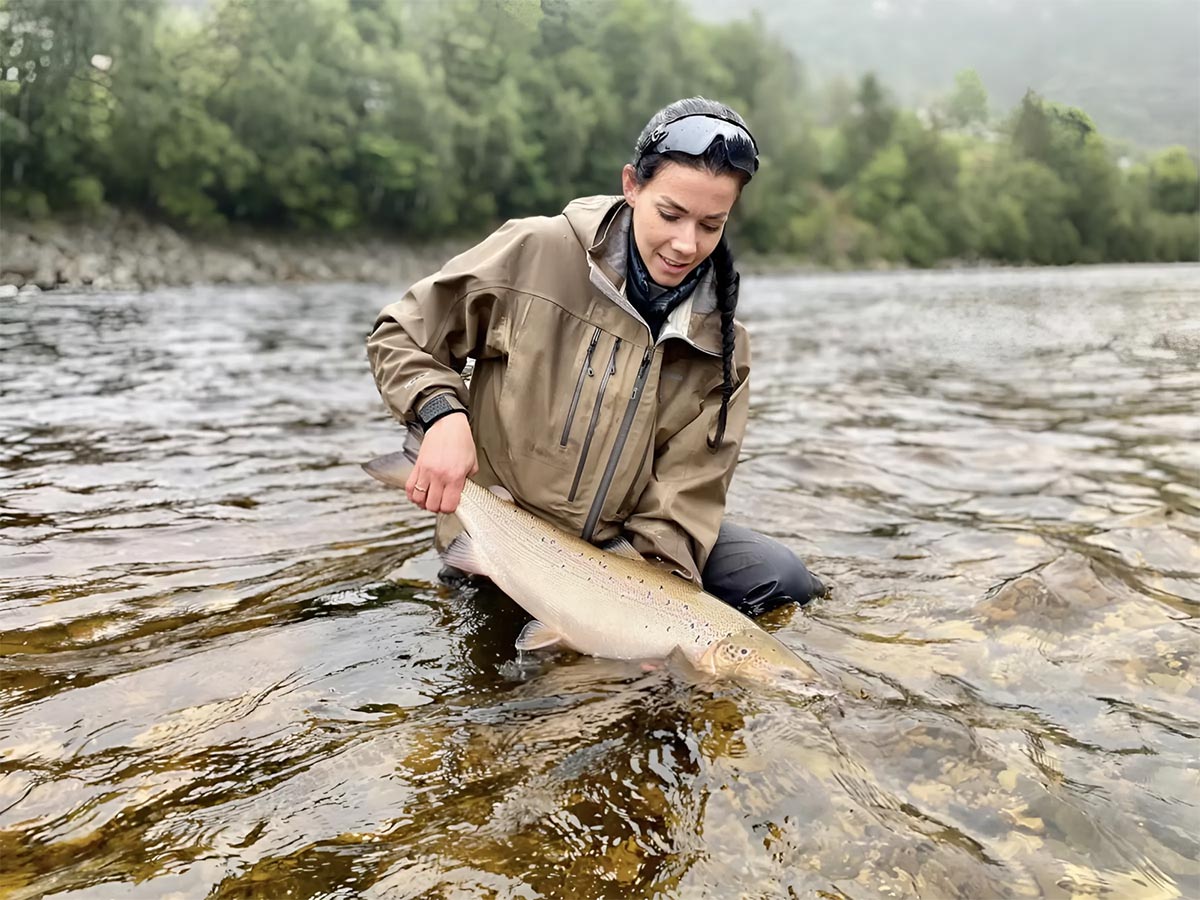
The Gaula River is more than just a place to fish—it’s a place to connect with the tradition of Norwegian fly fishing at its finest. Your time on this river will deliver more than just fish—it’ll deliver memories, clarity, and the quiet satisfaction only wild places provide.